Loading...
Loading...
Loading...
Heel pain is a common, often sharp discomfort on the bottom or back of the heel.
Heel pain is a common symptom of discomfort in the back or underneath the heel, often caused by inflammation from overuse, such as plantar fasciitis or Achilles tendinitis. Symptoms range from mild to sharp, typically intensifying with the first steps in the morning or after prolonged rest.
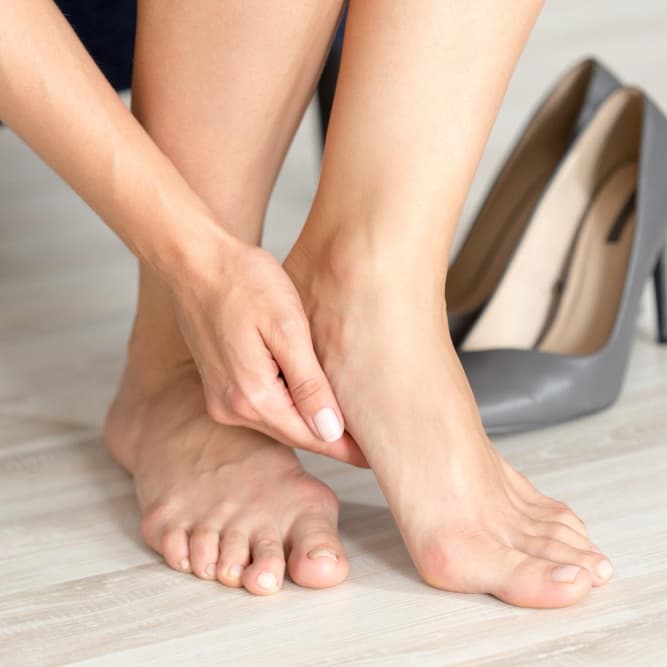
Homeopathy helps manage heel pain, such as plantar fasciitis or calcaneal spurs, by offering natural, non-invasive remedies that target inflammation and pain at the root level without side effects. It helps to reduce pain, stiffness, and structural changes, promoting healing and improved mobility
Recognizing early symptoms can help identify health issues sooner and ensure timely medical care.
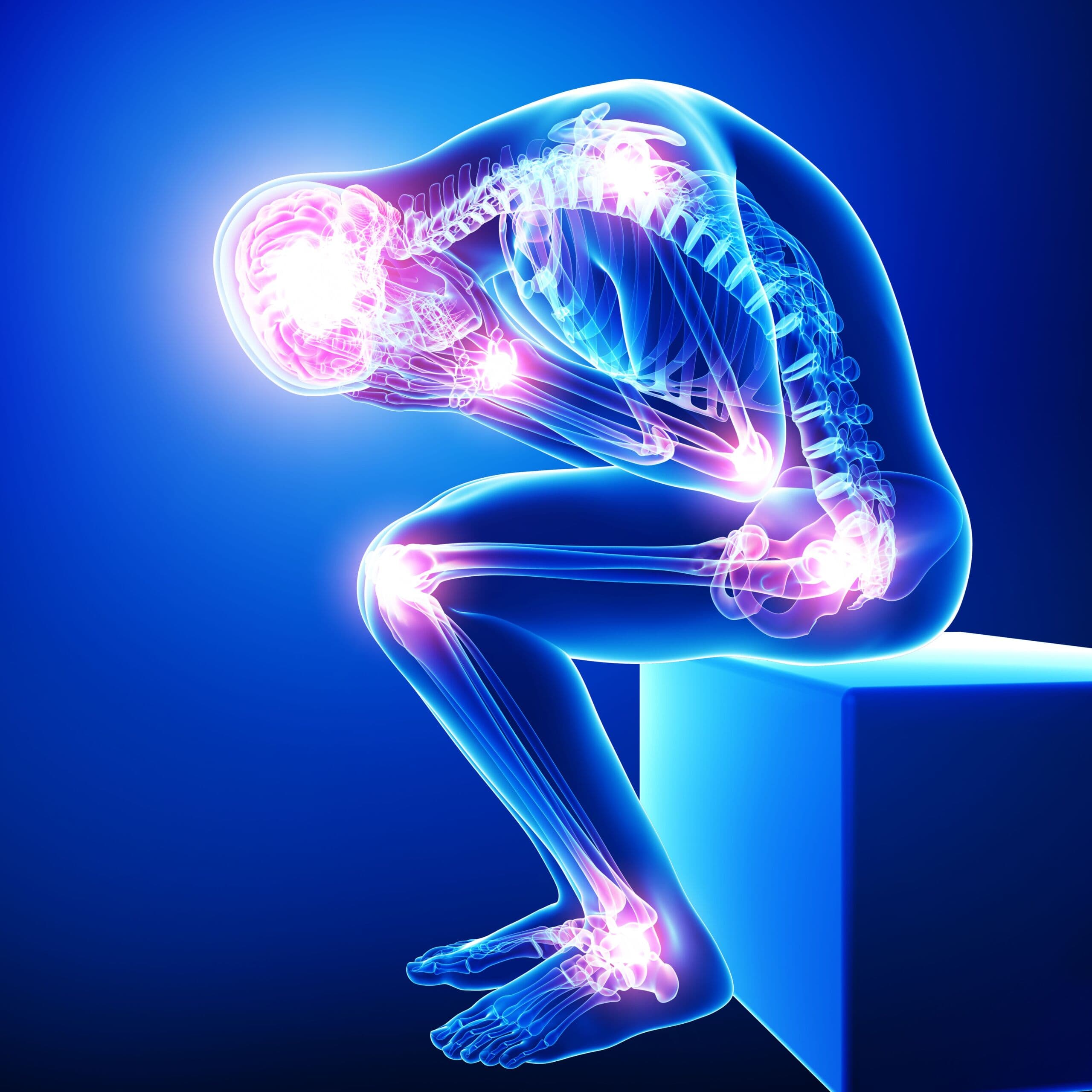
Sharp, stabbing pain: Often felt on the bottom of the heel, especially with the first steps in the morning, which may improve with walking but worsen later in the day.
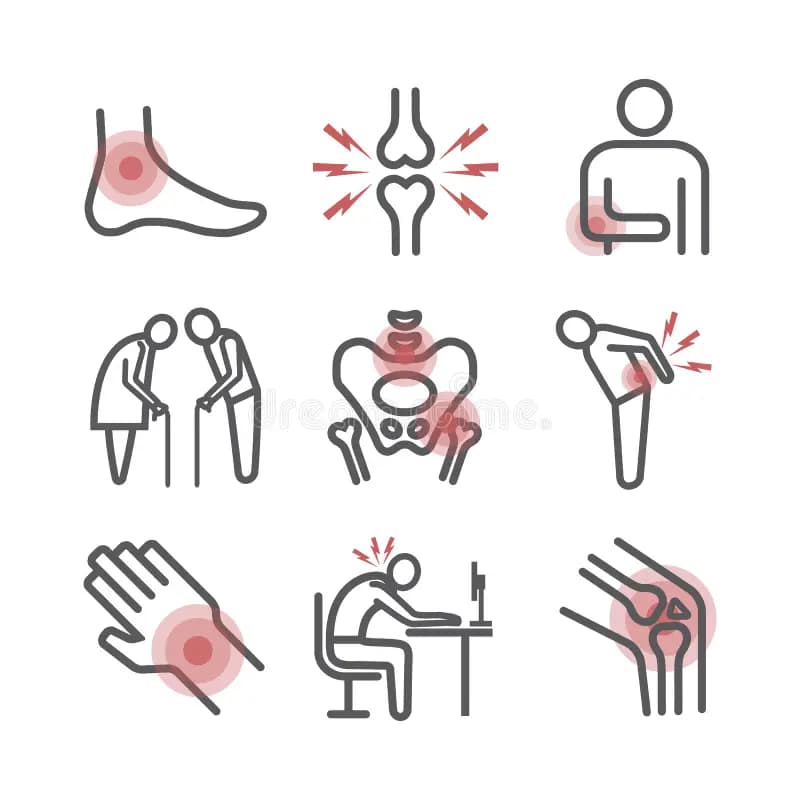
Back of heel pain: Tenderness, pain, and stiffness, often exacerbated by running or physical activity.
Stiffness in the ankle or foot.
Understanding the underlying causes helps doctors diagnose conditions accurately and choose the most effective treatment.
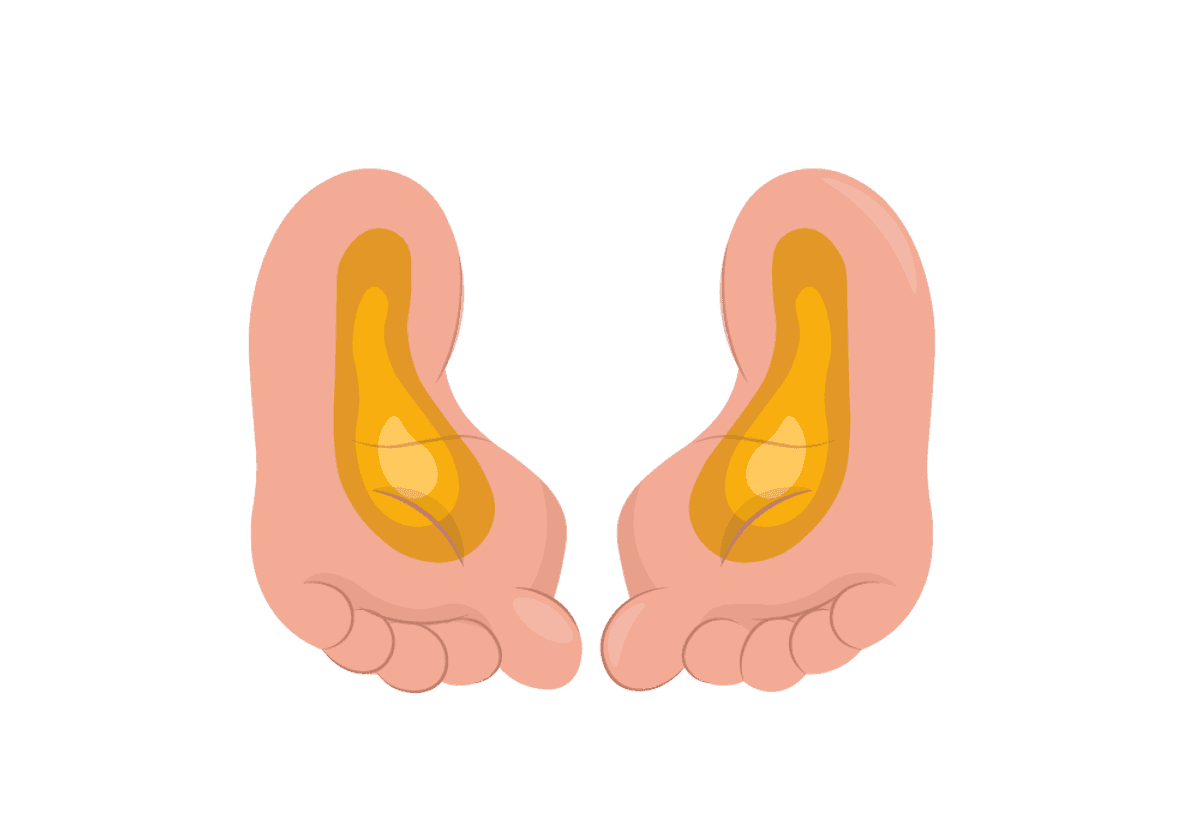
The most common cause, characterized by inflammation of the tissue band connecting the heel to the toes, causing sharp pain with the first steps in the morning.
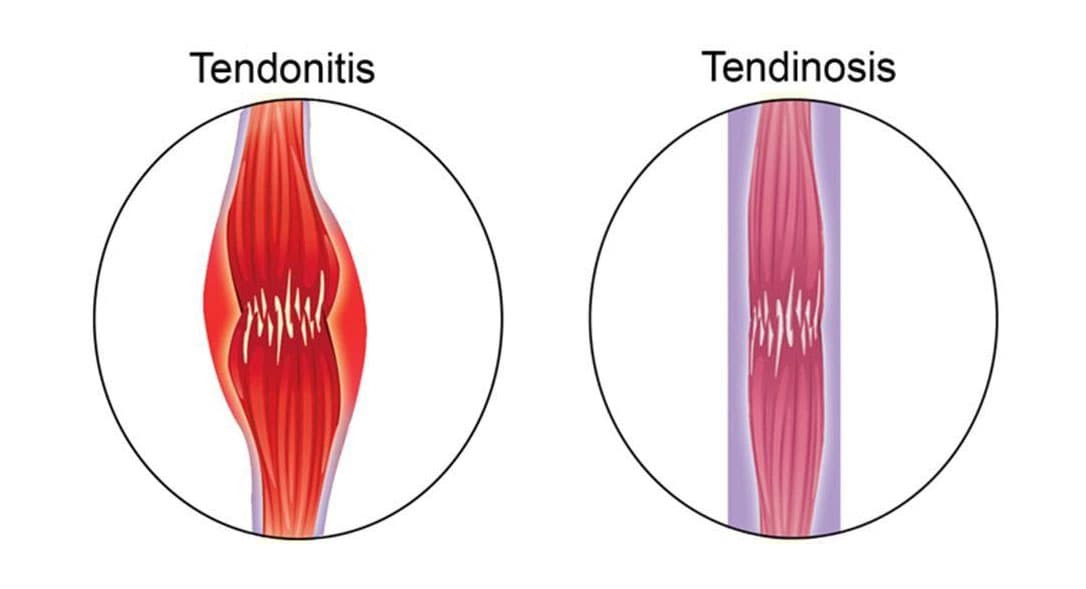
Achilles Tendinitis/Tendinosis: Inflammation or degeneration of the tendon at the back of the heel, often caused by overactivity.
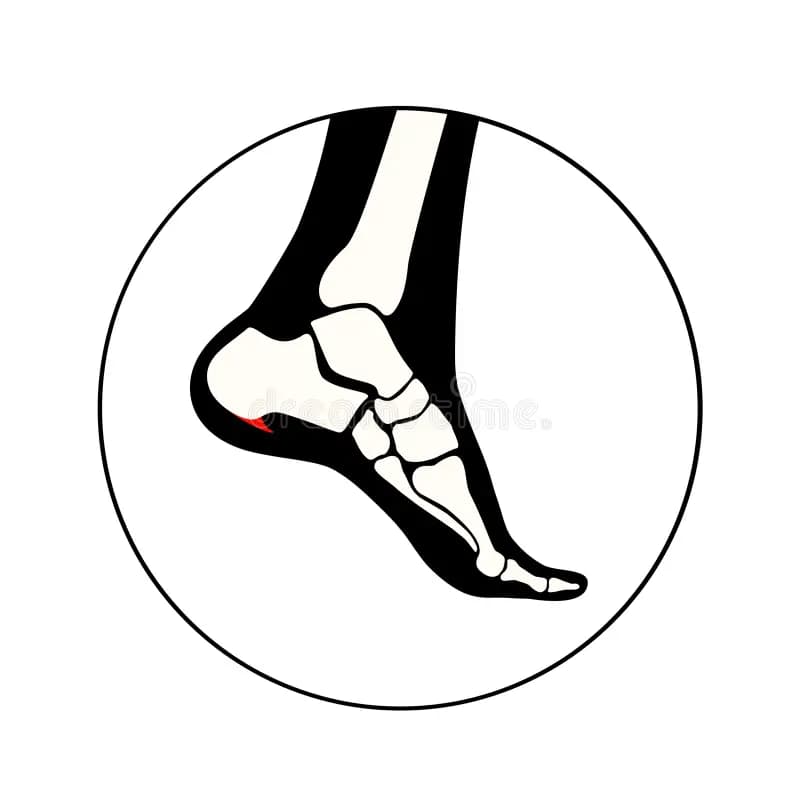
Bony growths on the underside of the heel bone, frequently associated with long-term plantar fasciitis.
Certain lifestyle habits, health conditions, or environmental factors may increase the likelihood of developing this condition.
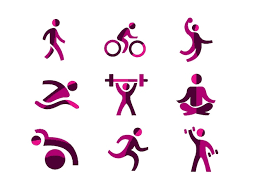
Physical Activity and Overuse: Engaging in sports that put repetitive stress on the heel (e.g., running, dancing, gymnastics).
Obesity/Weight Gain: High Body Mass Index (BMI) creates extra stress on the heel fat pad and fascia.

Long periods spent standing or walking on hard surfaces (e.g., concrete floors), often affecting workers in manufacturing, healthcare, and education.
Important highlights and key medical insights about this condition.
Most Common Cause: Plantar fasciitis accounts for most cases, affecting up to 10% of the population.
Typical Symptoms: Sharp, stabbing pain in the bottom of the heel when taking first steps after waking or sitting for long periods.
Not Always a "Spur": While heel pain is often blamed on bony protrusions (heel spurs), the pain actually comes from surrounding inflammation, and many people have spurs with no pain.
Common Causes: Beyond plantar fasciitis, causes include Achilles tendonitis, stress fractures, bursitis, and nerve irritation.
Learn more about this speciality and how our experts help you achieve better health outcomes.
Heel pain commonly affects active adults aged 40–70, runners, individuals who are overweight, and people with occupations requiring prolonged standing. Children aged 8–14 involved in sports, particularly those with high arches or flat feet, are also commonly affected.
See a doctor for heel pain if it persists for more than 1-2 weeks despite rest, ice, and over-the-counter medication.
Connect with experienced doctors who specialize in treating this condition and receive professional medical guidance.

Qualifications: BHMS , BHS(Public Health ,Canada)

Limited motion
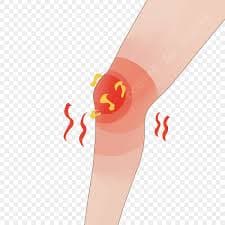
Tenderness and swelling: Tender, bruise-like areas, or noticeable swelling/redness on the underside or back of the heel.
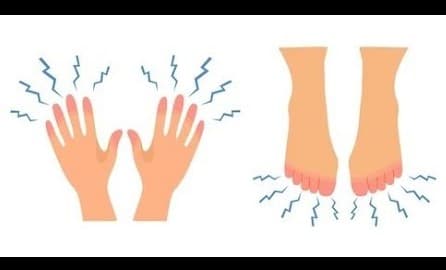
Associated with nerve entrapment like tarsal tunnel syndrome.

Increased pain with activity: Pain that intensifies after prolonged standing, walking, or sudden increase in physical activity.
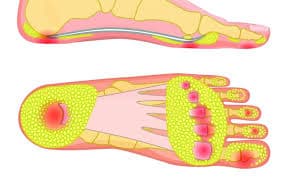
Fat Pad Atrophy (Fat Pad Syndrome): Thinning or inflammation of the protective fat pad on the sole, leading to a dull, bruised pain, especially when walking on hard surfaces.
Tiny cracks in the calcaneus (heel bone) caused by repetitive stress or impact.
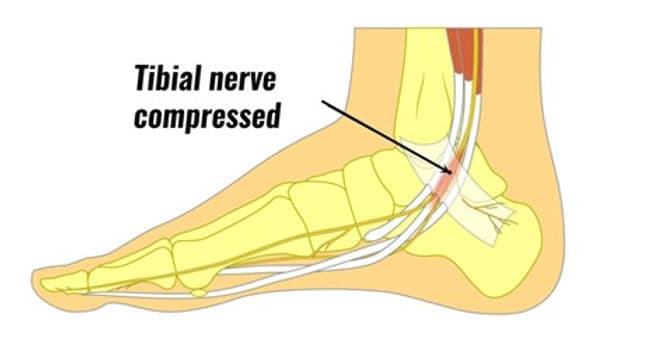
Tarsal Tunnel Syndrome (Nerve Entrapment): Compression of the tibial nerve, resulting in burning or shooting pain.
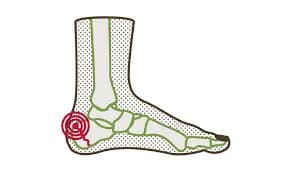
The most common cause of heel pain in children, involving inflammation of the growth plate.
Inflammation of the bursa sac at the back of the heel (retrocalcaneal bursa).
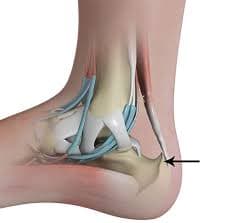
An bony enlargement on the back of the heel that irritates the Achilles tendon, sometimes called a "pump bump".
Individuals with flat feet (pes planus) or high arches (pes cavus) have unnatural weight distribution, increasing strain.

Improper Footwear: Wearing shoes without adequate support, cushioning, or shock absorption, or walking barefoot on hard floors.
Heel pain, particularly plantar fasciitis, is most prevalent in adults between 40 and 60.
Increased weight and hormonal changes affecting ligaments can lead to heel pain.

Muscle imbalances (tight calf muscles), or underlying conditions like diabetes and arthritis.
Immediate Care (RICE Method): Rest, Ice, Compression, and Elevation help manage inflammation.
Prevention: Wear supportive footwear, avoid walking barefoot on hard surfaces, and maintain a healthy weight.

Qualifications: BHMS.(FMHMC), MSc Psychology and Counselling, PG Diploma in Guidance and Counselling, Diploma Interactive Drawing Therapy (IDT), Cognitive Behavioural Therapy (CBT), De‑addiction Training (NIMHANS).

Qualifications: BHMS