
Loading...
Loading...
Loading...
Gout is a common, painful form of inflammatory arthritis caused by high levels of uric acid in the blood (hyperuricemia).
Gout is a common, painful form of inflammatory arthritis caused by high levels of uric acid in the blood (hyperuricemia). This causes needle-shaped crystals to deposit in joints, leading to sudden, severe attacks of pain, swelling, redness, and warmth, frequently targeting the big toe.

Homeopathy approaches gout with individualized remedies that aim to manage acute pain and swelling, as well as address the underlying cause of high uric acid levels to reduce the frequency and intensity of future attacks. The treatment focuses on the totality of a patient's symptoms, including physical and mental aspects, rather than just the condition itself. So it provides a complete relief.
Recognizing early symptoms can help identify health issues sooner and ensure timely medical care.
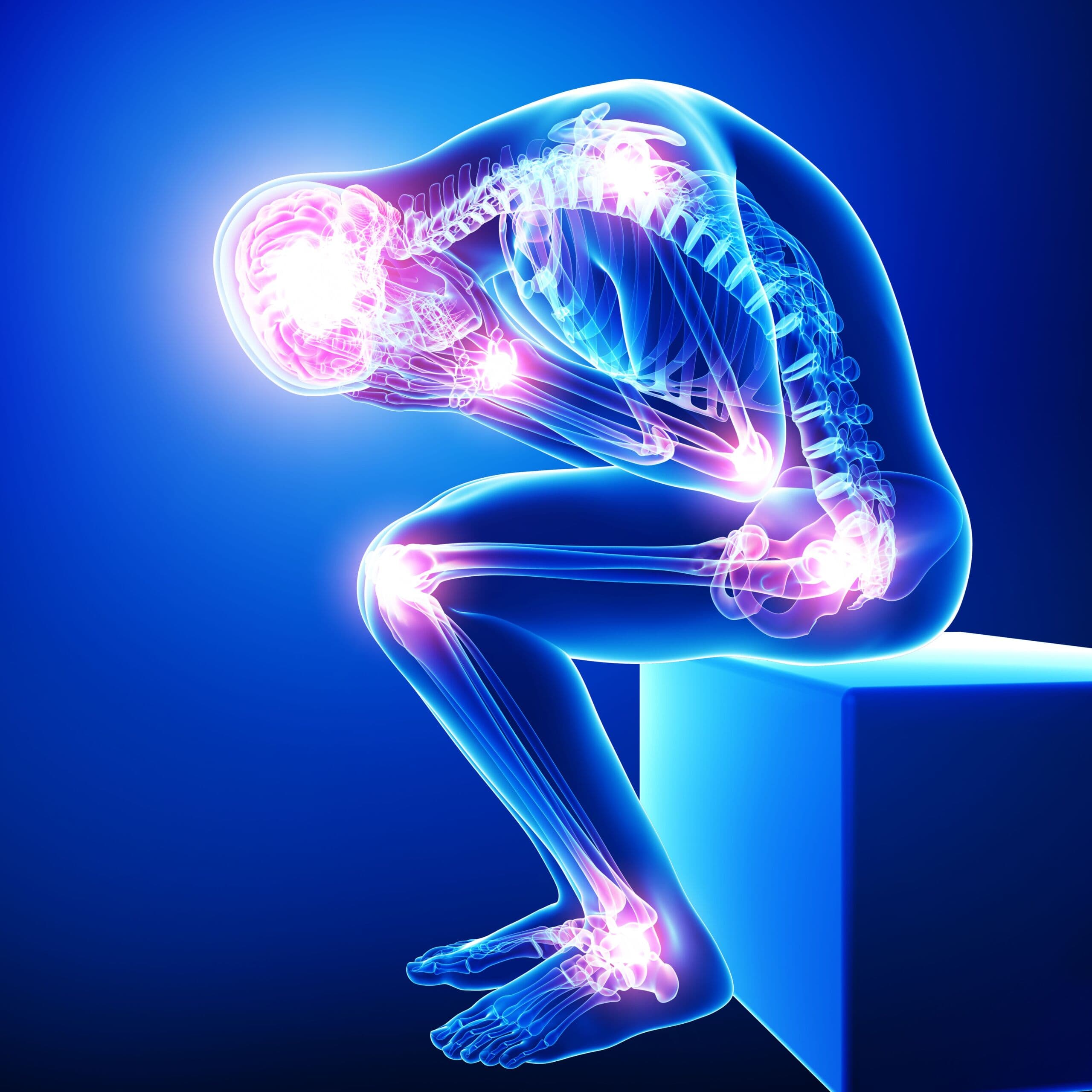
Intense Joint Pain: Usually strikes a single joint, most commonly the base of the big toe.
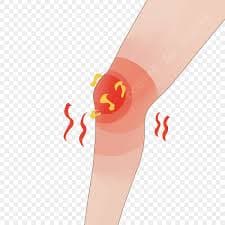
Affected joints are swollen, tender, and the skin may appear shiny or discolored (red or purplish).
Lingering Discomfort: After severe pain subsides, joint discomfort can last from a few days to several weeks.
Understanding the underlying causes helps doctors diagnose conditions accurately and choose the most effective treatment.
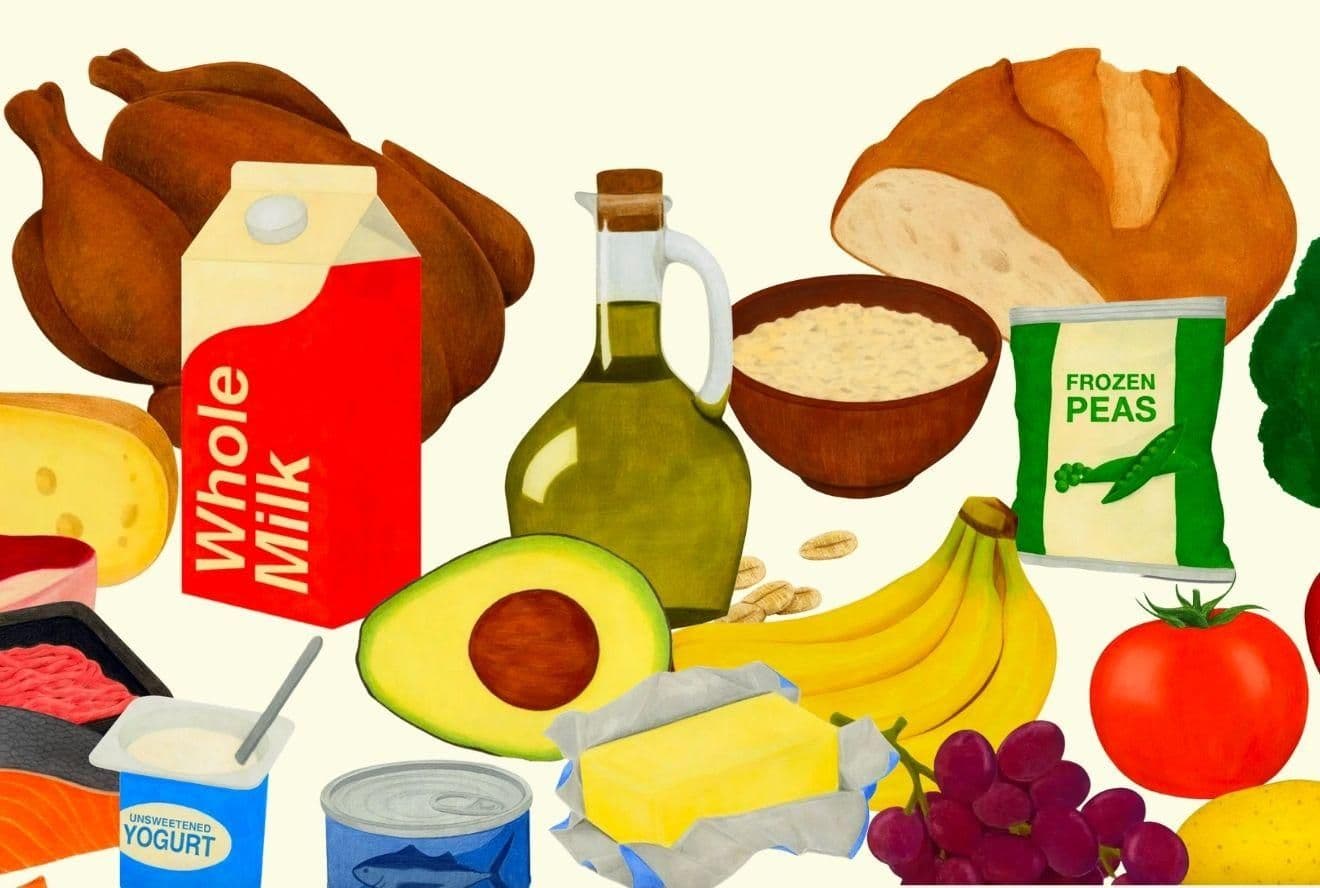
High consumption of foods rich in purines—which break down into uric acid—including red meat, organ meats, shellfish, and sugary drinks (fructose).
Alcohol, particularly beer, hinders the elimination of uric acid.

Obesity, diabetes, high blood pressure (hypertension), and chronic kidney disease reduce the body's ability to remove uric acid.
Certain lifestyle habits, health conditions, or environmental factors may increase the likelihood of developing this condition.
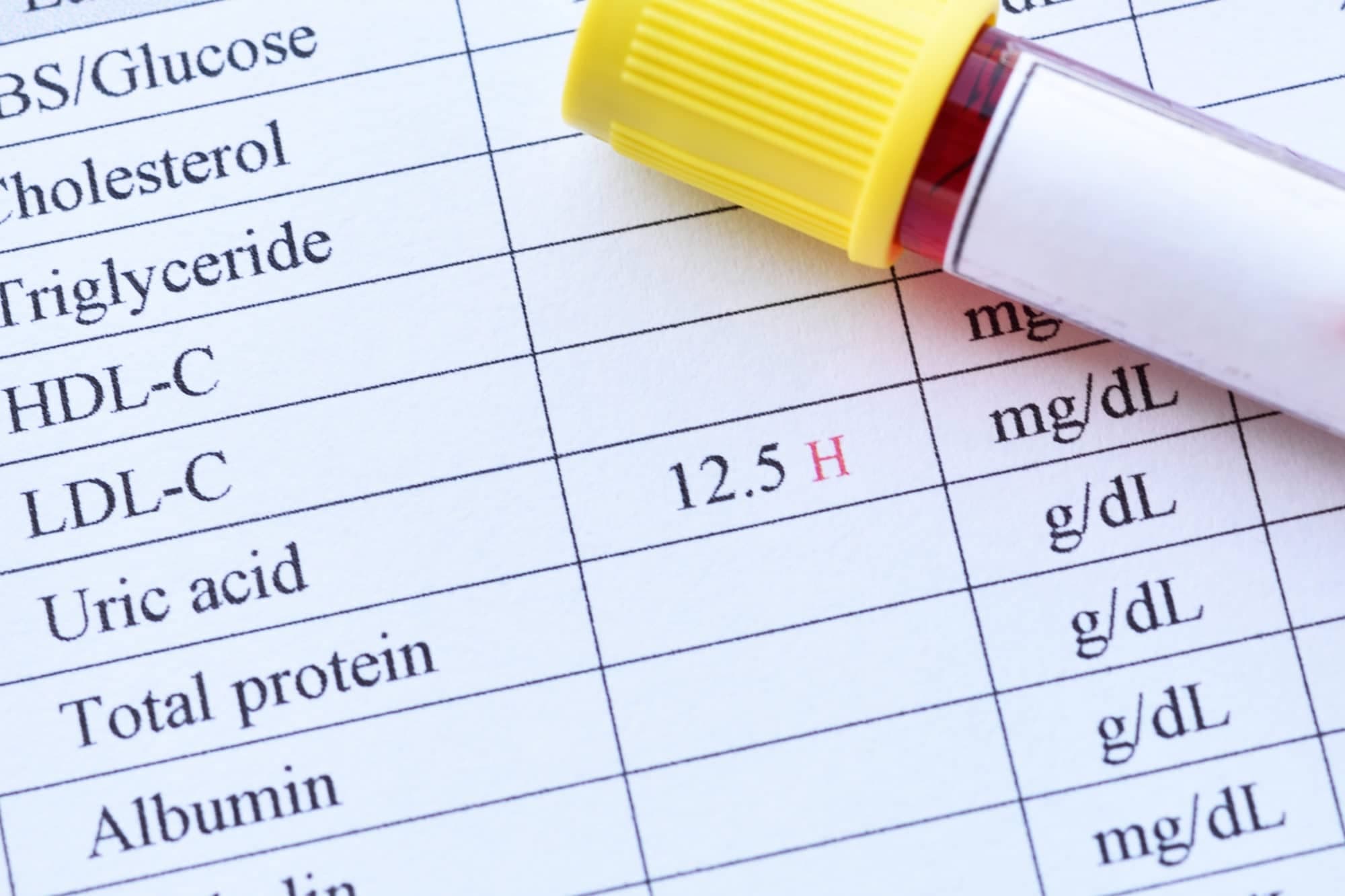
Hyperuricemia (High Urate Levels): Having elevated levels of uric acid in the blood is the primary cause of gout.
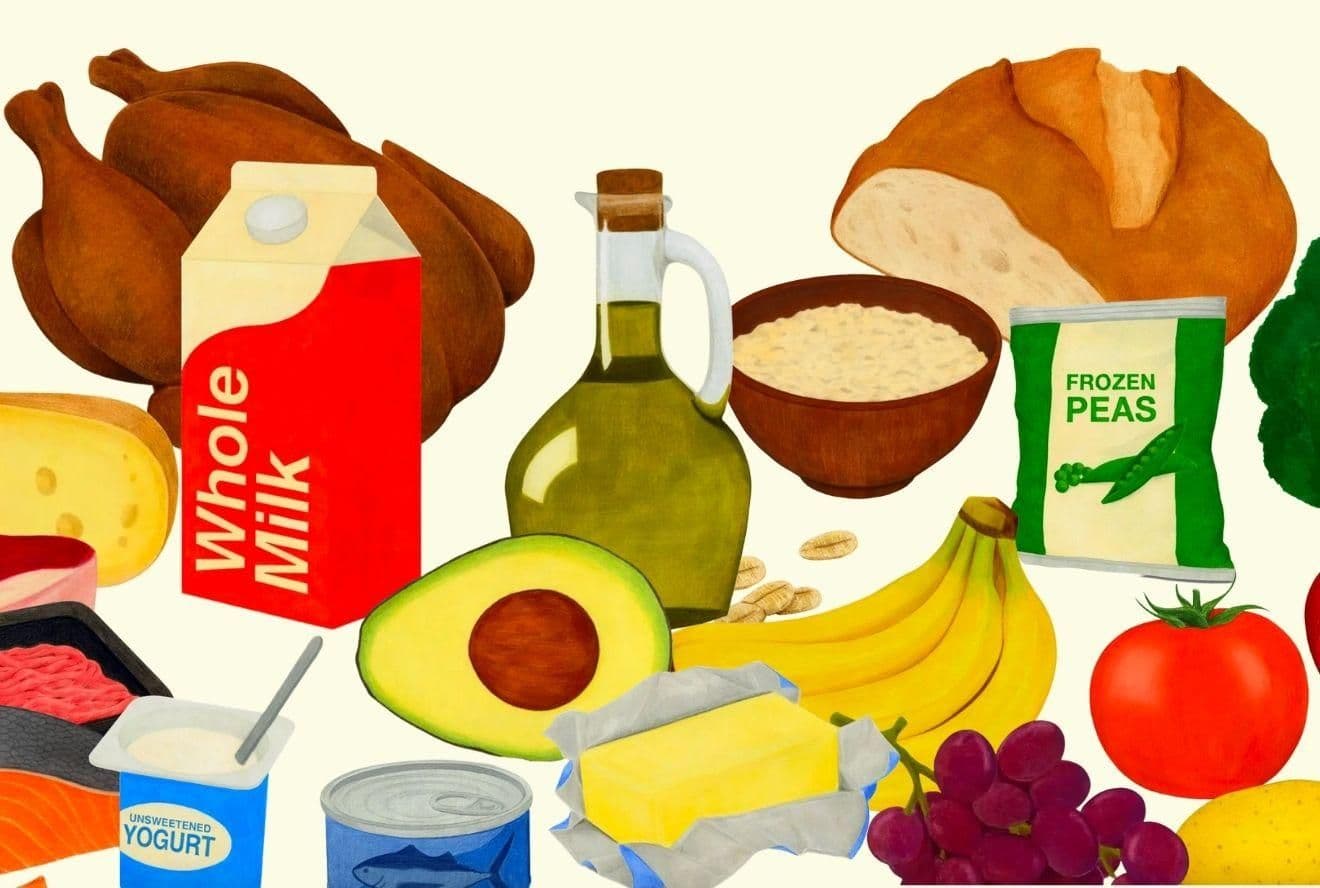
Consuming foods high in purines, such as red meat, organ meat, and certain seafood (scallops, tuna, sardines) increases risk.
Alcohol Consumption: Alcohol, particularly beer, is a significant risk factor. & Beverages sweetened with high-fructose corn syrup increase uric acid production.
Important highlights and key medical insights about this condition.
Cause: Hyperuricemia (too much uric acid in the blood) causes crystal deposits in joints.
Prevention/Diet: Drink plenty of water, limit alcohol, and avoid high-fructose corn syrup and high-purine foods.
Impact: Without treatment, it can lead to permanent joint damage, deformity, and intense pain
Target Uric Acid: Keeping uric acid levels below 6 mg/dL can prevent crystals from forming and dissolve existing deposits.
Learn more about this speciality and how our experts help you achieve better health outcomes.
Gout primarily affects men over 40 and postmenopausal women, causing intense joint pain and swelling, most frequently in the big toe.
See a doctor immediately for gout if you experience sudden, intense joint pain (especially in the big toe, knee, or ankle), significant swelling, or redness.
Connect with experienced doctors who specialize in treating this condition and receive professional medical guidance.

Qualifications: BHMS , BHS(Public Health ,Canada)

Reduced Range of Motion: As joints become more inflamed, movement can become restricted.
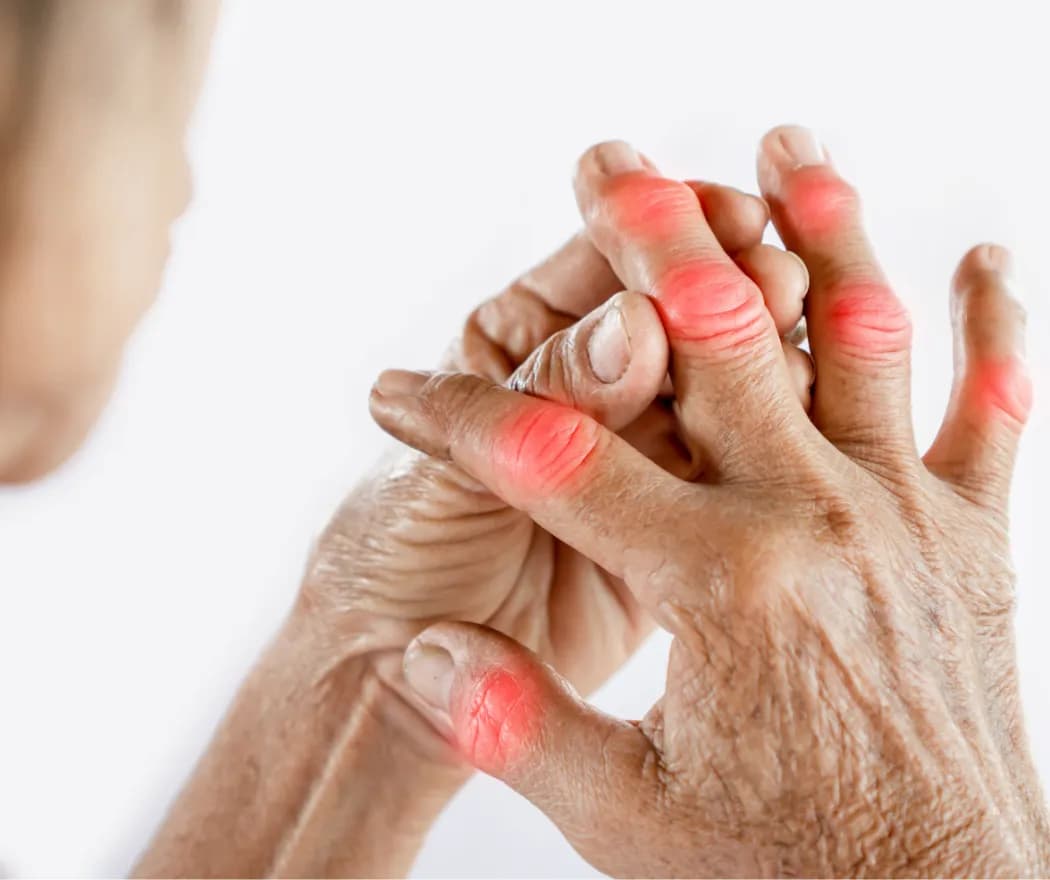
Hard, visible lumps of uric acid crystals that form under the skin around joints or in other areas like the ears.
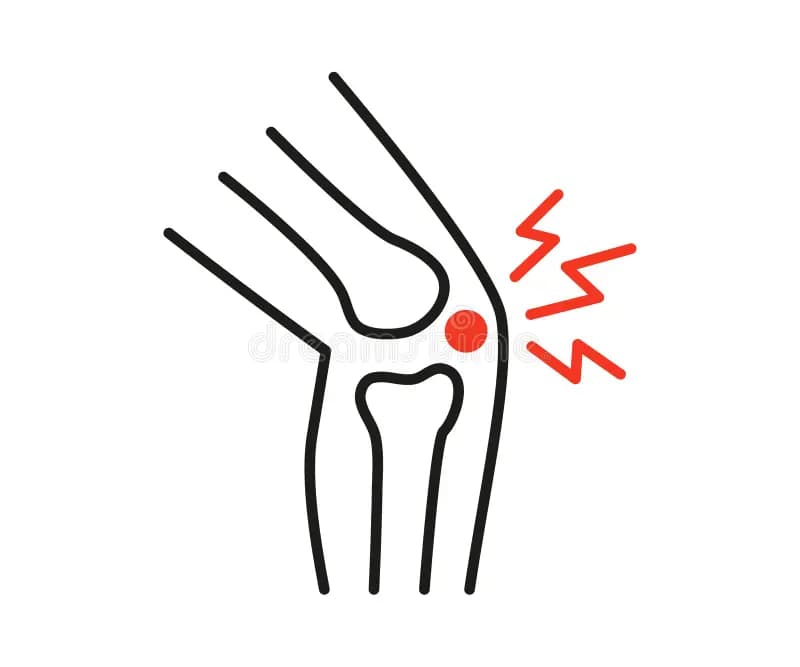
Recurrent flares can cause permanent joint destruction and chronic pain.

Kidney Issues: High levels of uric acid can lead to kidney stones.
Diuretics ("water pills"), low-dose aspirin, and some immunosuppressants can increase uric acid levels.

A family history of gout increases likelihood.
More common in men and in women after menopause
Being overweight prompts the body to produce more uric acid and makes it harder for the kidneys to eliminate it.

Hypertension (high blood pressure), diabetes, obesity, metabolic syndrome, and kidney disease increase the risk.
Thiazide diuretics (commonly used for hypertension), Low-dose aspirin, and Immunosuppressants.
Gout occurs more frequently in men, while women tend to develop it after menopause.
Gout occurs usually between 30–50

Genetics play a role; if family members have had gout, you are more likely to develop it.
Recent Trauma or Surgery: Acute incidents, including surgeries, trauma, or sometimes vaccines, can trigger a flare.
Failing to drink enough water can contribute to higher uric acid concentrations.

Menopause: Women’s uric acid levels rise post-menopause, approaching those of men.
No Cure: While there is no cure, gout is highly manageable with proper treatment.
Demographics: It is most common in men and post-menopausal women.

Qualifications: BHMS.(FMHMC), MSc Psychology and Counselling, PG Diploma in Guidance and Counselling, Diploma Interactive Drawing Therapy (IDT), Cognitive Behavioural Therapy (CBT), De‑addiction Training (NIMHANS).

Qualifications: BHMS