Loading...
Loading...
Loading...
Calcaneal spur, commonly known as a heel spur, is a bony outgrowth that develops on the underside of the heel bone (calcaneus). It often forms due to long-term strain on the foot muscles and ligaments, leading to calcium deposits that build up over time.
Calcaneal spur is essentially a small, pointed bony growth that develops where the plantar fascia attaches to the heel bone. It can measure up to half an inch in length and may cause sharp pain, especially when standing or walking after rest. The spur itself may not always cause discomfort, but the associated inflammation and tissue irritation often lead to heel pain.
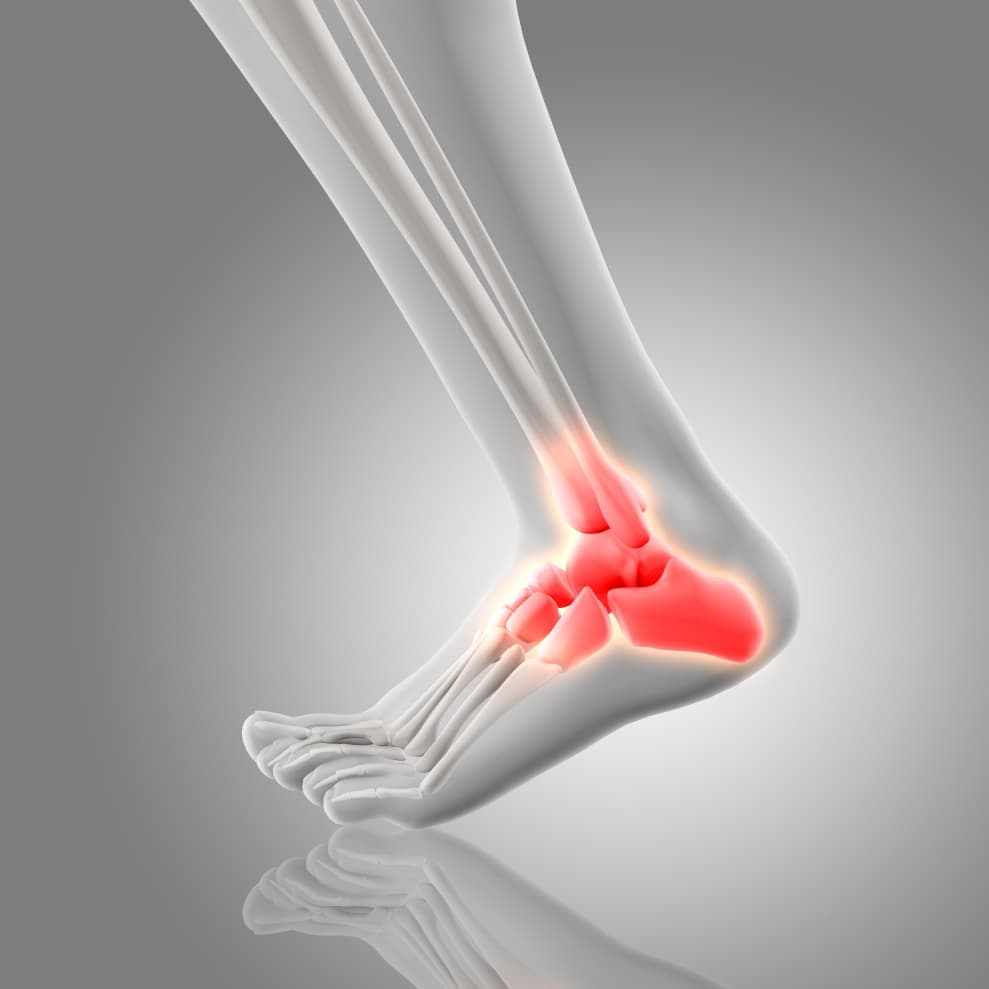
Homeopathy offers a non-surgical, and natural approach to treating Calcaneal Spur by focusing on reducing chronic pain, inflammation, and addressing underlying causes like plantar fasciitis. By using individualized remedies to target the patient's specific symptom patterns, it can provide significant, long-lasting relief from morning heel pain and discomfort.
Important highlights and key medical insights about this condition.
A calcaneal spur is a bony growth on the heel bone.
It is often linked to plantar fasciitis and chronic foot strain.
Not all heel spurs cause pain-some remain asymptomatic.
Risk factors include obesity, flat feet, high arches, and improper footwear.
Diagnosis is confirmed through X-rays and clinical examination.
Treatment ranges from rest, physiotherapy, orthotics, medication, to surgery in severe cases.
Learn more about this speciality and how our experts help you achieve better health outcomes.
Calcaneal spurs can affect people of all ages but are more common in middle-aged adults, athletes, and individuals who spend long hours standing or walking. People with flat feet, high arches, obesity, or poorly fitted footwear are at higher risk. Women are slightly more prone due to footwear choices such as high heels, which increase strain on the heel.
Medical consultation is recommended if heel pain is persistent, severe, or interferes with daily activities. You should seek help if pain worsens in the morning or after prolonged rest, or if swelling and tenderness develop around the heel.
Connect with experienced doctors who specialize in treating this condition and receive professional medical guidance.

Qualifications: BHMS , BHS(Public Health ,Canada)
Qualifications: BHMS.(FMHMC), MSc Psychology and Counselling, PG Diploma in Guidance and Counselling, Diploma Interactive Drawing Therapy (IDT), Cognitive Behavioural Therapy (CBT), De‑addiction Training (NIMHANS).