
Loading...
Loading...
Loading...
Secondary infertility is the inability to conceive or carry a pregnancy to term after previously giving birth without medical assistance.
Secondary infertility is the inability to conceive or carry a pregnancy to term after previously giving birth to at least one child. It can be caused by age, complications from prior pregnancies, weight gain, or infections.

Homeopathy approaches secondary infertility using a holistic and individualized method, focusing on identifying and treating underlying physical and emotional causes rather than just the inability to conceive. The treatment is typically oral and non-invasive, addressing systemic imbalances such as hormonal issues, stress, or underlying conditions like PCOS or thyroid problems.
Recognizing early symptoms can help identify health issues sooner and ensure timely medical care.

Unsuccessful attempts to conceive for 6-12 months, despite previous pregnancies.
Irregular, absent, or very heavy/painful periods, suggesting ovulation issues.
Pregnancy Loss: A history of multiple miscarriages or ectopic pregnancies.
Understanding the underlying causes helps doctors diagnose conditions accurately and choose the most effective treatment.
As age increases, both egg quality and quantity decrease, making conception harder.
Hormonal Imbalances: Conditions like PCOS, thyroid issues, or premature ovarian insufficiency can affect ovulation.
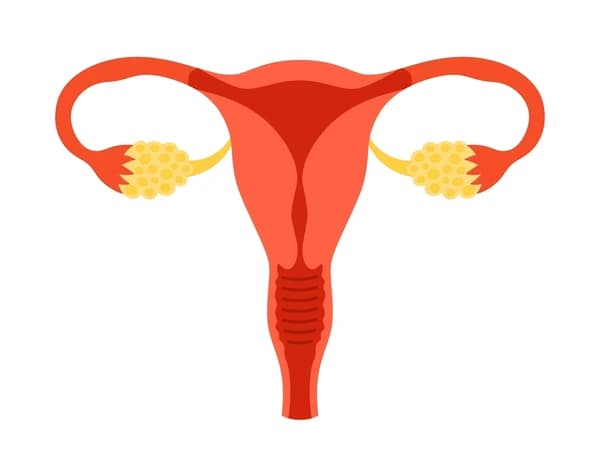
Structural Uterine/Pelvic Issues: Scarring from a previous C-section, uterine fibroids, polyps, or adhesions can prevent proper implantation.
Certain lifestyle habits, health conditions, or environmental factors may increase the likelihood of developing this condition.
Advanced Age: Fertility declines significantly for women over 35, and sperm quality can decrease in older men.
Blocked Fallopian Tubes: Caused by pelvic inflammatory disease (PID), infections, or previous pelvic surgery.
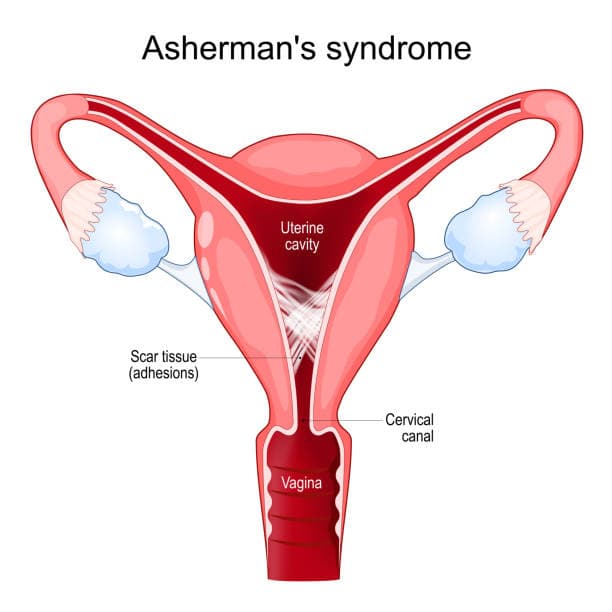
Often caused by previous C-sections, D&C procedures, or infections.
Important highlights and key medical insights about this condition.
Prevalence: It is just as common as primary infertility
Age Factor: Even if the first pregnancy was easy, increasing age (especially over 35) significantly affects egg quality and quantity, causing higher risks for secondary infertility.
Diagnosis Timing: If over age 35, see a doctor after 6 months of trying; otherwise, seek advice after 1 year.
Emotional Toll: It can cause unique feelings of isolation, frustration, and guilt because the couple already has a child, making it feel less recognized by society
Learn more about this speciality and how our experts help you achieve better health outcomes.
It affects roughly 50% of all infertility cases, often involving women over 35, those with new health issues, or complications from previous pregnancies.
Connect with experienced doctors who specialize in treating this condition and receive professional medical guidance.

Qualifications: BHMS , BHS(Public Health ,Canada)
Painful Intercourse or Pelvic Pain: May indicate underlying conditions like endometriosis or infections.
Hormonal Imbalance Symptoms: Unexplained weight gain, acne, or excessive hair growth.
Low Sperm Count/Quality: Reduced sperm production or poor quality.
Sexual Dysfunction: Reduced libido or erectile dysfunction.

Physical Changes: Scrotal pain or swelling (e.g., varicocele)
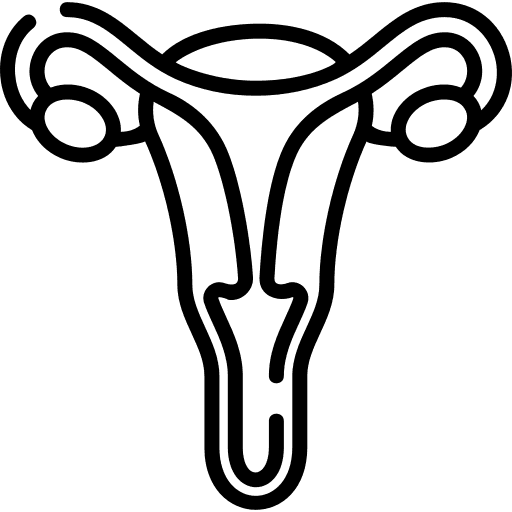
Fallopian Tube Damage: Previous pelvic infections (PID) or endometriosis can cause damage or blockages, restricting the egg's ability to reach the uterus.

Increased body weight (BMI), smoking, high alcohol consumption, and increased stress levels compared to the time of the first pregnancy.

Male Factor Issues: Factors including low sperm count, low motility, erectile dysfunction, or varicoceles can account for 30–50% of secondary infertility cases.
Complications from Prior Pregnancy: Postpartum infections or uterine damage during a previous birth or D&C procedure.
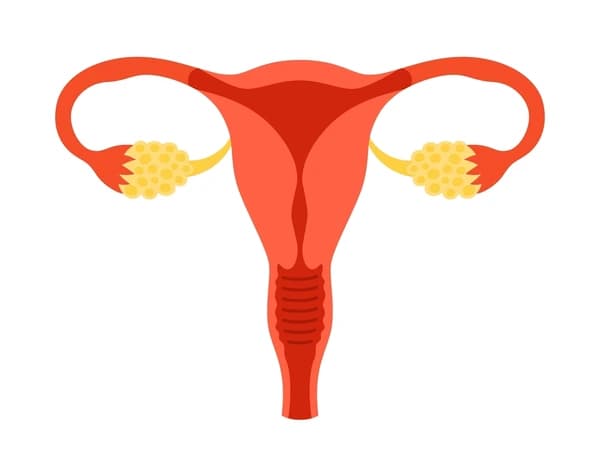
Uterine Fibroids or Polyps: Growths that can interfere with embryo implantation.
Hormonal Imbalances (Female): Polycystic ovary syndrome (PCOS), thyroid disorders, or premature ovarian insufficiency affecting ovulation.
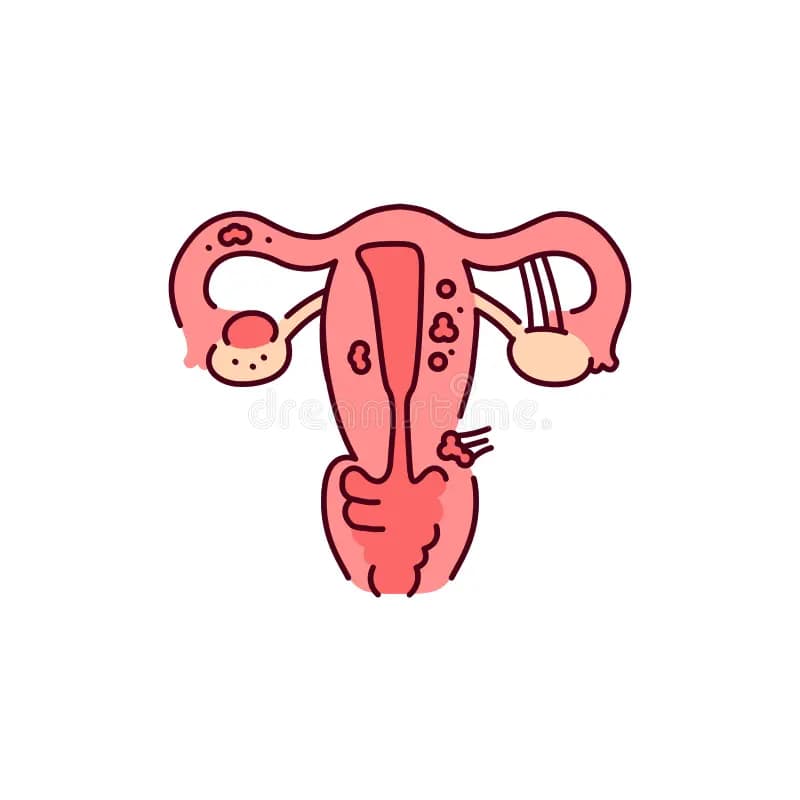
Tissue growth outside the uterus that can affect egg quality and fertilization.

Enlarged scrotal veins that can impair sperm production.
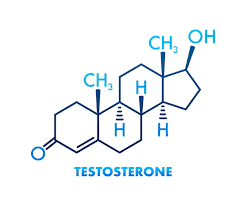
Low Testosterone: Impacts sperm production.

Smoking, heavy alcohol use, or medication side effects.
Significant weight gain or obesity (affects both partners), high stress levels, and exposure to environmental toxins or pesticides.
Qualifications: BHMS.(FMHMC), MSc Psychology and Counselling, PG Diploma in Guidance and Counselling, Diploma Interactive Drawing Therapy (IDT), Cognitive Behavioural Therapy (CBT), De‑addiction Training (NIMHANS).

Qualifications: BHMS