
Loading...
Loading...
Loading...
Primary infertility is defined as the inability to conceive or achieve a successful pregnancy after at least one year of regular, unprotected intercourse, specifically in individuals who have never previously achieved a pregnancy.
Primary infertility refers to couples who have never achieved a pregnancy after at least one year of regular, unprotected intercourse. It signifies an inability to conceive for the first time, distinguishing it from secondary infertility, where previous pregnancies have occurred. It can stem from female ovulatory issues (e.g., PCOS), male factor issues (e.g., low sperm count), or, commonly, a combination of factors.

Homeopathy addresses primary infertility by focusing on the individual's overall physical, emotional, and mental health to correct underlying imbalances that may be preventing conception. This holistic approach aims to restore the body's natural balance and improve the chances of natural conception without the use of invasive procedures or hormonal therapies.
Recognizing early symptoms can help identify health issues sooner and ensure timely medical care.

The main, defining symptom.
Menstrual Irregularities: Cycles that are too long (35+ days), too short (under 21 days), irregular, or absent, indicating ovulation issues.
Severe cramps or pelvic pain during menstruation, which may indicate conditions like endometriosis.
Hormonal Imbalance Symptoms: Changes in skin (acne), unwanted hair growth, or significant weight gain/loss.

In many cases, there are no outward physical signs other than the inability to get pregnant.
Understanding the underlying causes helps doctors diagnose conditions accurately and choose the most effective treatment.
Ovulatory Disorders (approx. 20-30%): Polycystic ovary syndrome (PCOS), premature ovarian insufficiency (POI), and hypothalamic dysfunction are the most common reasons.
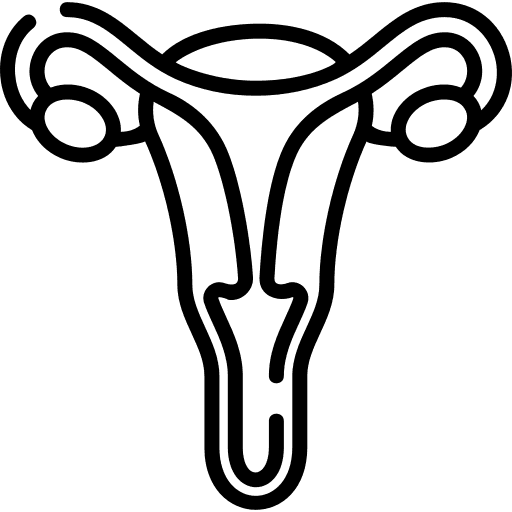
Tubal and Peritoneal Factors: Damaged or blocked fallopian tubes resulting from pelvic inflammatory disease (PID), infections (e.g., chlamydia), or previous surgeries.
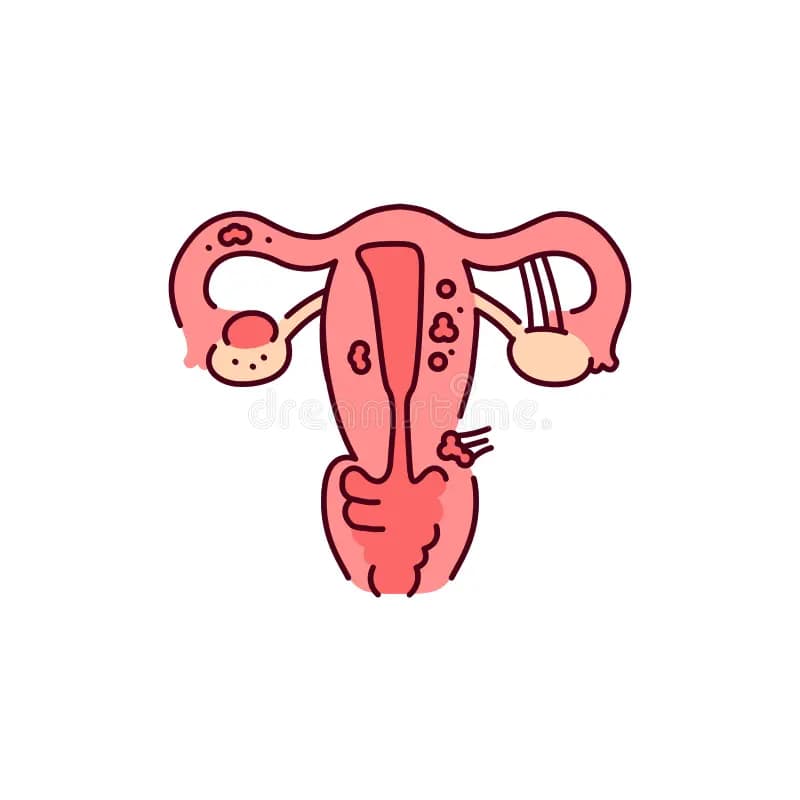
Endometrial tissue growing outside the uterus, causing scarring and inflammation.
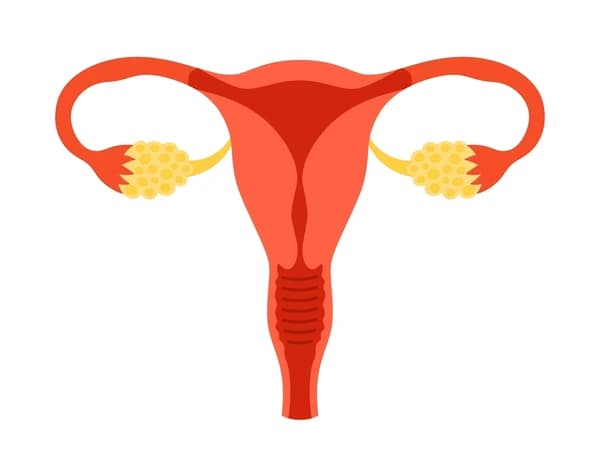
Fibroids, uterine polyps, or congenital anomalies (e.g., a septate uterus) that prevent embryo implantation.
Reduced egg quantity and quality, particularly after age 35
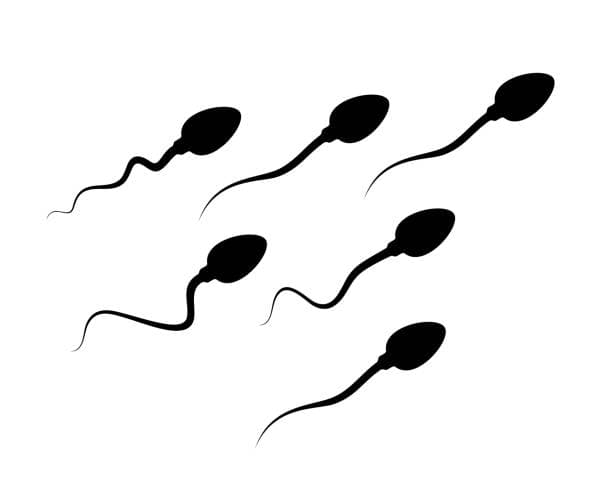
Sperm Production and Quality: Low sperm count (oligospermia), absent sperm (azoospermia), poor sperm motility (asthenozoospermia), or abnormal shape (teratozoospermia).

Enlarged veins in the scrotum that raise testicular temperature, affecting sperm production.
Hormonal Imbalances: Deficiencies in hormones like FSH or testosterone.
Defects in the duct system preventing sperm transport

Weight Factors: Both obesity and being underweight can cause hormonal imbalances and infertility.
Smoking, heavy alcohol consumption, and drug use (including marijuana) can severely impact egg and sperm health.

Regular exposure to industrial chemicals, heavy metals, or excessive heat (e.g., saunas, hot tubs).
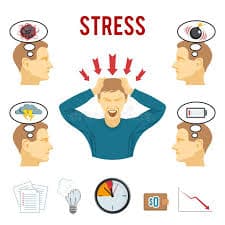
Stress: High levels of chronic stress can affect the reproductive hormones
Certain lifestyle habits, health conditions, or environmental factors may increase the likelihood of developing this condition.
Quality and quantity of eggs decline significantly after age 35.
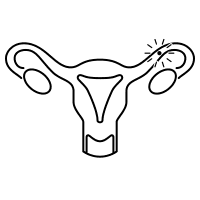
Ovulatory Disorders: Polycystic Ovary Syndrome (PCOS), premature ovarian failure, or hormone imbalances
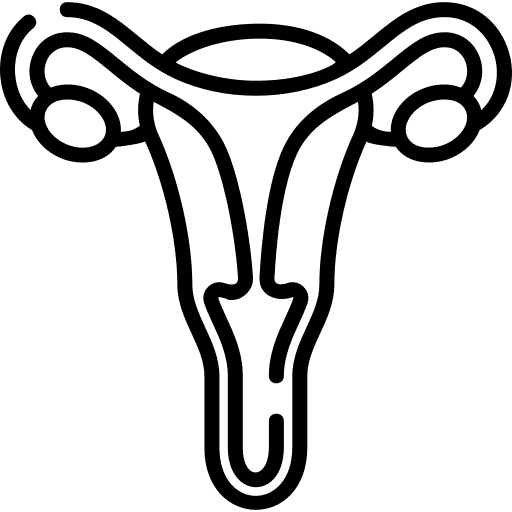
Tubal Damage/Blockage: Often caused by Pelvic Inflammatory Disease (PID), infections like chlamydia/gonorrhea, or previous surgery
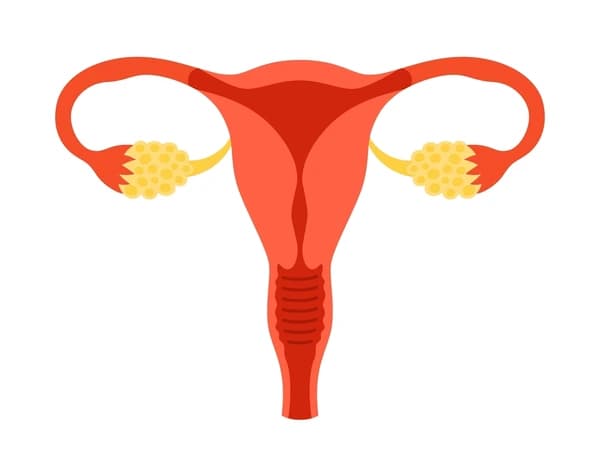
Uterine/Cervical Issues: Endometriosis, uterine fibroids (myomas), or uterine polyps
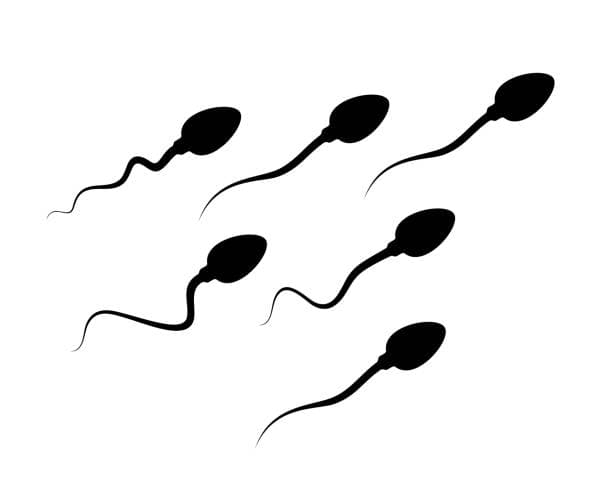
Sperm Abnormalities: Low sperm count, poor movement (motility), or abnormal shape (morphology)
Physical/Hormonal Issues: Obstruction of the reproductive tract, hormonal disorders (low testosterone), or testicular failure

Heat/Environmental Exposure: Frequent sauna use, hot tubs, or jobs involving heat or toxins

Ages ovaries and damages sperm.

Weight Factors: Being significantly overweight (obesity) or underweight impacts ovulation and sperm production.

Alcohol & Drugs: Excessive consumption negatively impacts fertility.
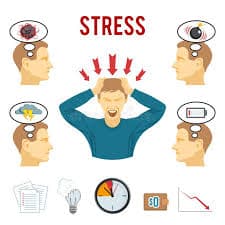
Stress: High stress levels can affect hormone balance.
Important highlights and key medical insights about this condition.
Common Causes (Female): Ovulatory disorders (e.g., PCOS), endometriosis, uterine fibroids, tubal blockages (often from infections).
Common Causes (Male): Sperm production issues, hormonal imbalances, or lifestyle factors like smoking and obesity.
Age Factor: Fertility declines for females around 22, accelerating after the late thirties, and closer to 50 for males.
Idiopathic Infertility: Approximately 20% of cases are idiopathic, meaning the cause cannot be identified through conventional testing.
Learn more about this speciality and how our experts help you achieve better health outcomes.
Primary infertility affects couples who have never achieved a pregnancy after at least one year of regular, unprotected intercourse. It impacts 10-15% of couples globally, with roughly 40-50% of cases involving female factors (e.g., PCOS, tubal issues) and 30-40% involving male factors (e.g., low sperm count, motility issues).
Connect with experienced doctors who specialize in treating this condition and receive professional medical guidance.
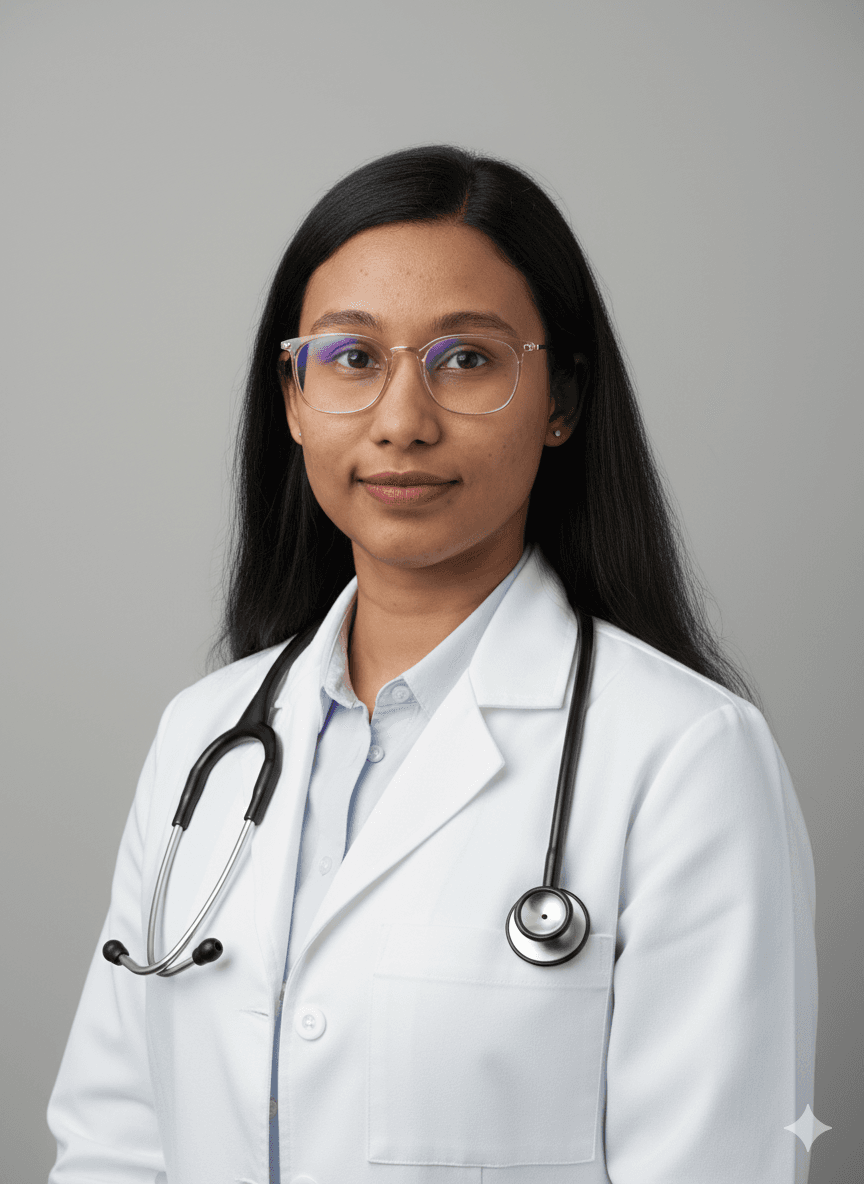
Qualifications: BHMS , BHS(Public Health ,Canada)
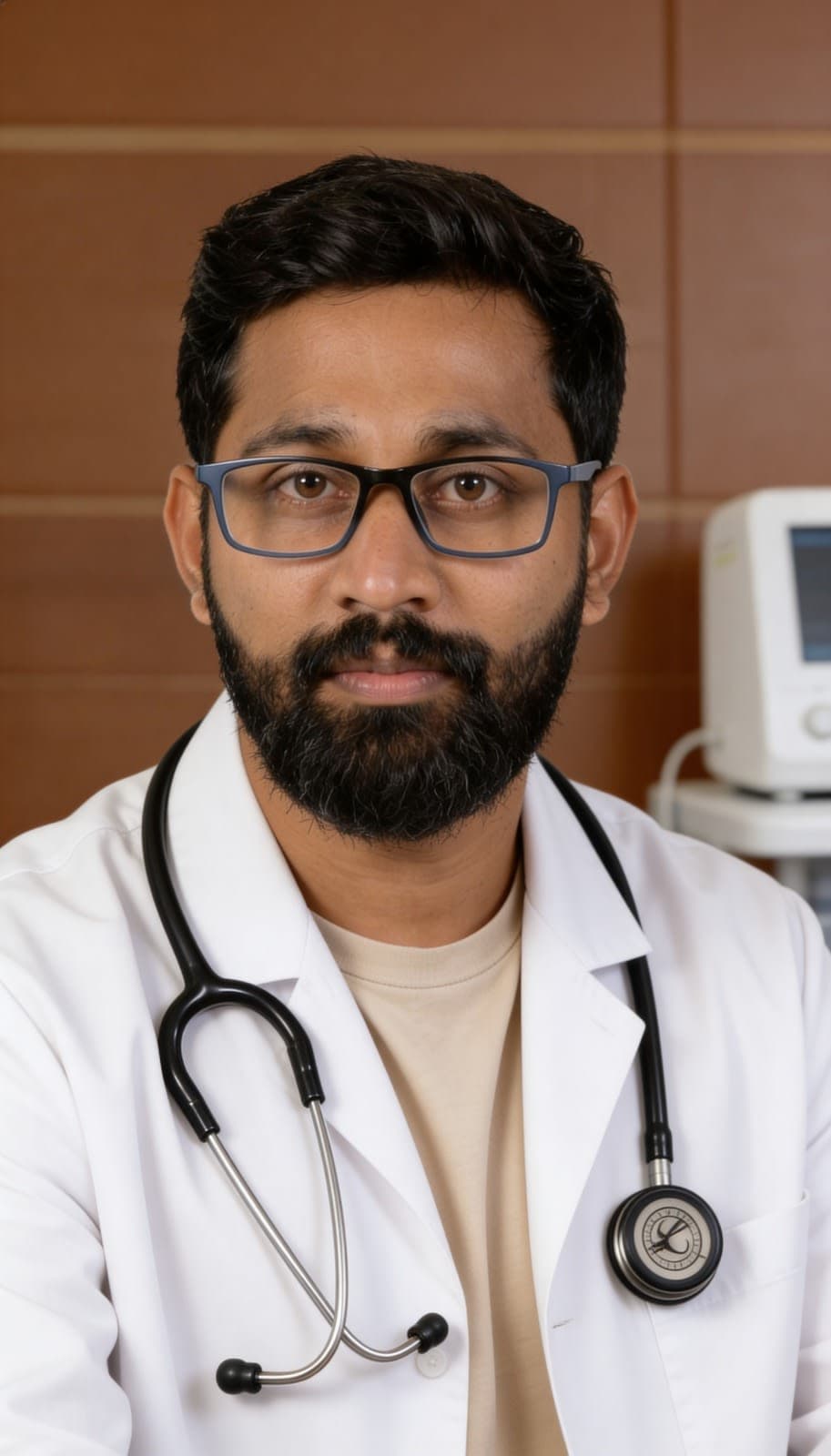
Qualifications: BHMS.(FMHMC), MSc Psychology and Counselling, PG Diploma in Guidance and Counselling, Diploma Interactive Drawing Therapy (IDT), Cognitive Behavioural Therapy (CBT), De‑addiction Training (NIMHANS).
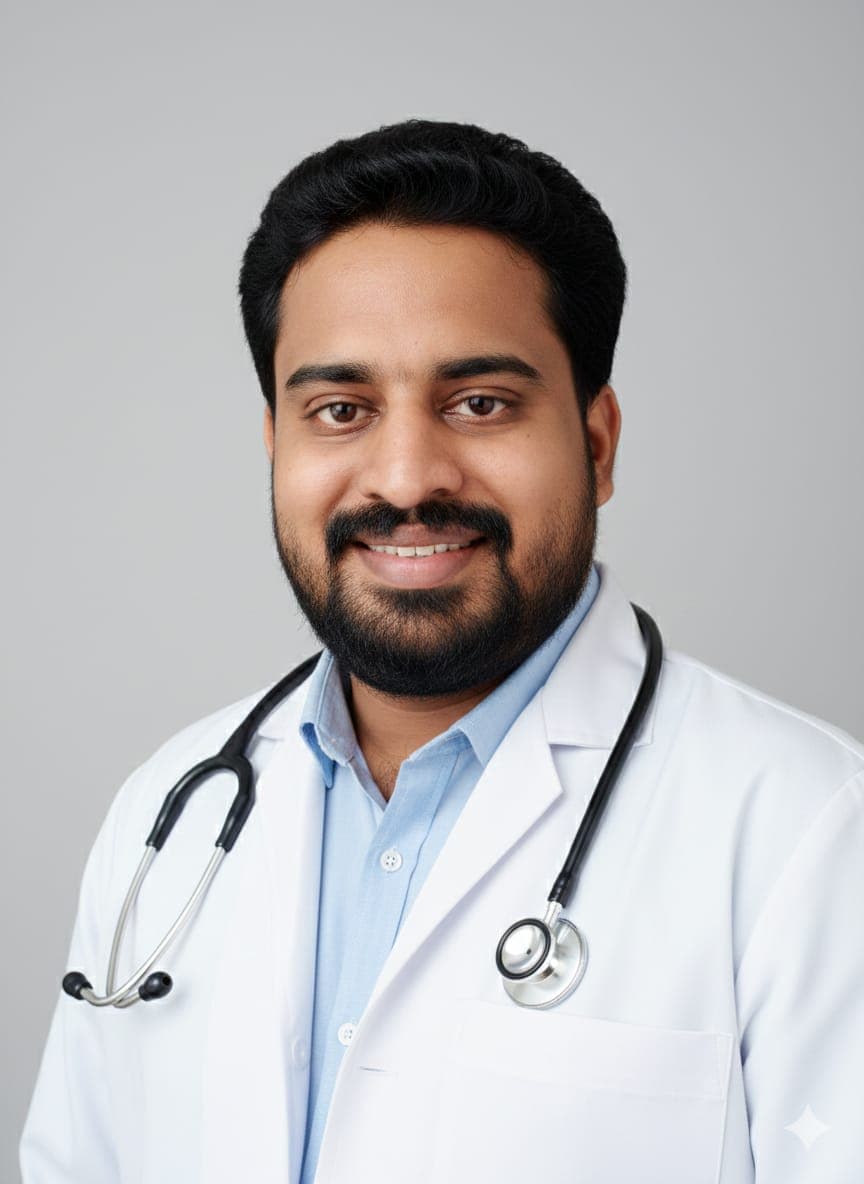
Qualifications: BHMS