
Loading...
Loading...
Loading...
Male infertility means a man is unable to conceive a child with a fertile female partner after at least one year of unprotected intercourse.
Male infertility is defined as a man's inability to achieve pregnancy with a fertile female partner after at least one year of regular, unprotected sexual intercourse. It stems from issues with sperm production, quality (low count, poor motility, abnormal shape), or delivery, often caused by varicocele, infections, or lifestyle factors.
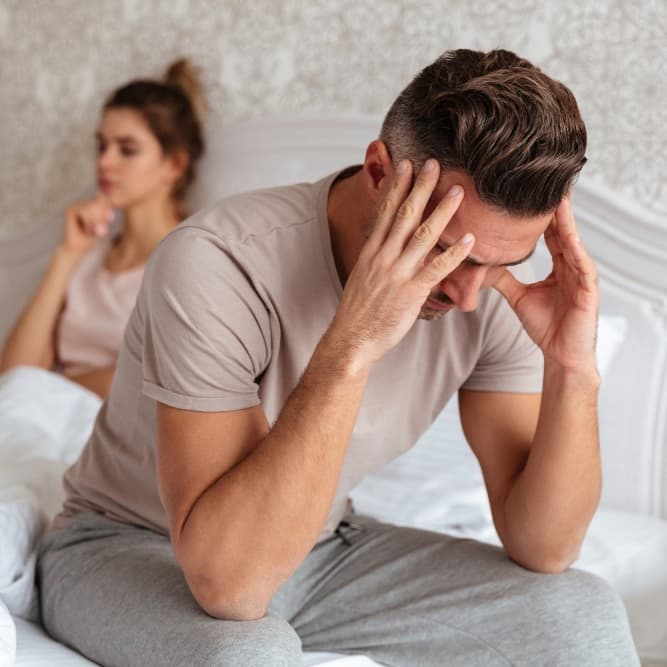
Homeopathy, as a form of alternative medicine, addresses male infertility through a holistic, non-invasive, and individualized approach that aims to stimulate the body's self-healing responses and correct underlying imbalances.
Recognizing early symptoms can help identify health issues sooner and ensure timely medical care.
Sexual Function Issues: Difficulty maintaining an erection (erectile dysfunction), low sexual desire, or challenges with ejaculation.

Hormonal Imbalances: Reduced facial or body hair, or the development of breast tissue (gynecomastia).
Ejaculation Problems: Small volume of fluid or failure to ejaculate, including anejaculation (dry ejaculation).
Understanding the underlying causes helps doctors diagnose conditions accurately and choose the most effective treatment.
(Most Common): Enlarged veins in the scrotum can overheat the testicles, disrupting sperm production.
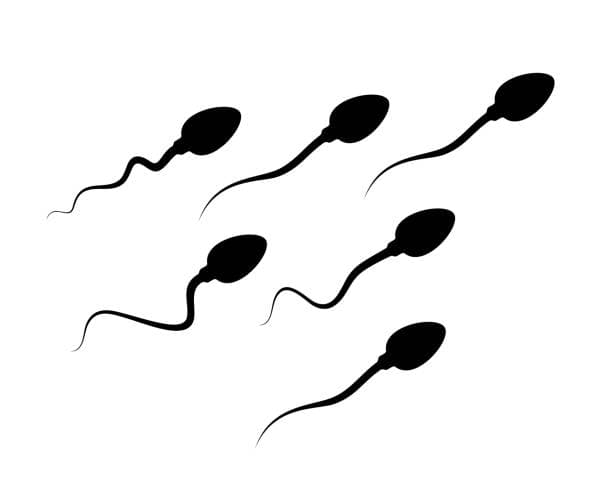
- Low Sperm Count (Oligospermia). - Poor Motility. - Abnormal Morphology.

Diabetes, thyroid issues, or undescended testicles
Certain lifestyle habits, health conditions, or environmental factors may increase the likelihood of developing this condition.

Smoking Tobacco: Lowers sperm count, motility, and quality.

Alcohol & Drug Use: Heavy consumption and drug use (e.g., marijuana) negatively impact fertility.

High body mass index (BMI) leads to hormonal shifts (higher estrogen, lower testosterone).
Important highlights and key medical insights about this condition.
Prevalence: Male factor infertility plays a role in over 50% of couples facing difficulties conceiving.
Most Common Cause: A varicocele—a swelling of veins in the scrotum—is the most common, reversible cause of low sperm production.
Key Indicators: Common issues include low sperm count (<15M/mL), poor motility (movement), and abnormal morphology (shape).
Reversibility: Many cases are treatable with lifestyle changes, surgery, or medical therapies (IVF/ICSI).
Connect with experienced doctors who specialize in treating this condition and receive professional medical guidance.

Qualifications: BHMS , BHS(Public Health ,Canada)
Physical Abnormalities: Varicocele (dilated veins in the scrotum) or history of injury/surgery to the testicles.

Chlamydia, gonorrhea, or prostatitis can cause damage or scarring

Hormonal Imbalances: Issues with the pituitary gland or low testosterone (hypogonadism) can halt sperm production.
Inherited conditions (e.g., cystic fibrosis), surgeries (e.g., vasectomy), or inflammation can block the ejaculatory ducts, epididymis, or vas deferens.

Heavy alcohol consumption, and marijuana use.
Heat Exposure: Frequent hot tub use or long hours sitting can heat the testicles.
Exposure to pesticides, lead, or radiation.

Genetic Disorders: Chromosomal abnormalities, such as Klinefelter syndrome can cause improper development of testicles.
Sexual Dysfunction: Conditions like premature ejaculation or erectile dysfunction, accounting for 25% of cases.


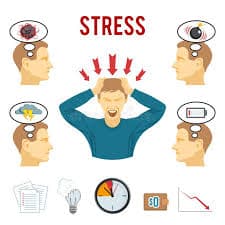
Chronic stress can interfere with hormone production.

Excessive, intense exercise or misuse of anabolic steroids.
Heat Exposure: Frequent hot tubs, saunas, or wearing tight underwear can raise scrotal temperature.
Working with chemicals or radiation.
Exposure to pesticides, pesticides, lead, or radiation.

Past or present infections (e.g., STI, mumps), or prostatitis.

Diabetes, thyroid issues, or genetic disorders (e.g., Klinefelter syndrome).
Certain medications (e.g., anti-spermatogenesis agents, high blood pressure, or cancer treatments).
Past hernia repairs, undescended testicles, or testicular injury.

Varicocele: Swollen veins in the scrotum that increase temperature, the most common treatable cause.
Time Frame: Sperm development takes roughly 72 days, meaning lifestyle improvements should be made at least three months before trying to conceive.
Lifestyle Factors: Smoking, obesity, excessive alcohol, and overheating (hot tubs/suna) can significantly damage sperm quality.
Qualifications: BHMS.(FMHMC), MSc Psychology and Counselling, PG Diploma in Guidance and Counselling, Diploma Interactive Drawing Therapy (IDT), Cognitive Behavioural Therapy (CBT), De‑addiction Training (NIMHANS).

Qualifications: BHMS