Loading...
Loading...
Loading...
Female infertility is defined as the inability to achieve pregnancy after one year (or six months if over age 35) of regular, unprotected intercourse.
Female infertility is a disease characterized by the inability to achieve pregnancy after one year of regular, unprotected intercourse (or 6 months for women over 35). It is often caused by ovulation disorders, fallopian tube damage, or uterine issues. It can be treated with medication, lifestyle changes, or assisted reproduction.
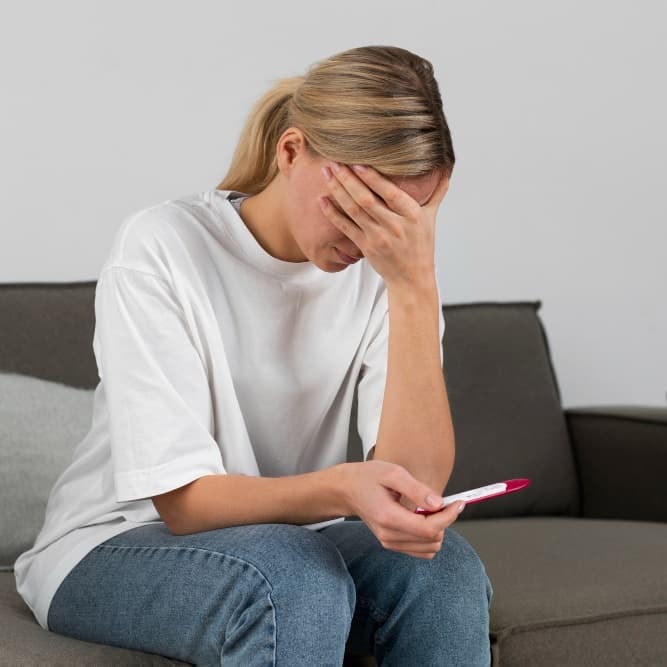
Homeopathy approaches female infertility with a holistic and individualized method that aims to address underlying causes, balance hormones, and improve overall well-being, rather than merely managing symptoms. The treatment is tailored to each woman's specific physical, emotional, and mental symptoms.
Recognizing early symptoms can help identify health issues sooner and ensure timely medical care.
Irregular Periods/No Periods: Cycles that are too short (<21 days), too long (>35days), irregular, or absent suggest ovulation issues.
Extreme cramping, pelvic pain, or very heavy bleeding may indicate endometriosis or uterine fibroids.
Hormonal Imbalance Symptoms: Sudden changes in weight, excessive facial/body hair growth (hirsutism), thinning hair, or persistent acne.
Understanding the underlying causes helps doctors diagnose conditions accurately and choose the most effective treatment.
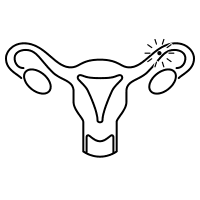
Ovulation Disorders: Affects egg release, including Polycystic Ovary Syndrome (PCOS), premature ovarian failure (early menopause), hyperprolactinemia (high prolactin), and thyroid disorders.
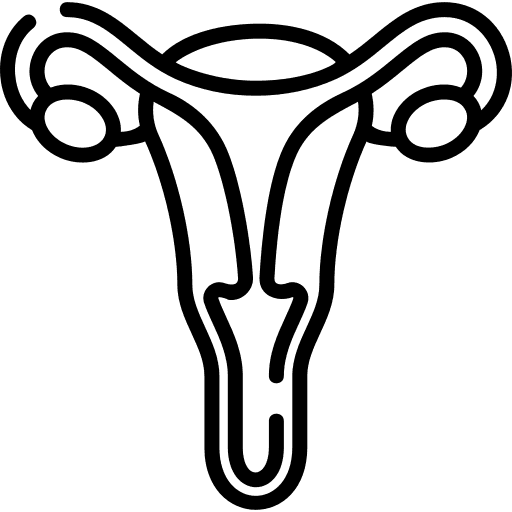
Fallopian Tube Damage or Blockage: Often caused by Pelvic Inflammatory Disease (PID), STIs (chlamydia, gonorrhea), or previous surgery preventing egg/sperm travel.
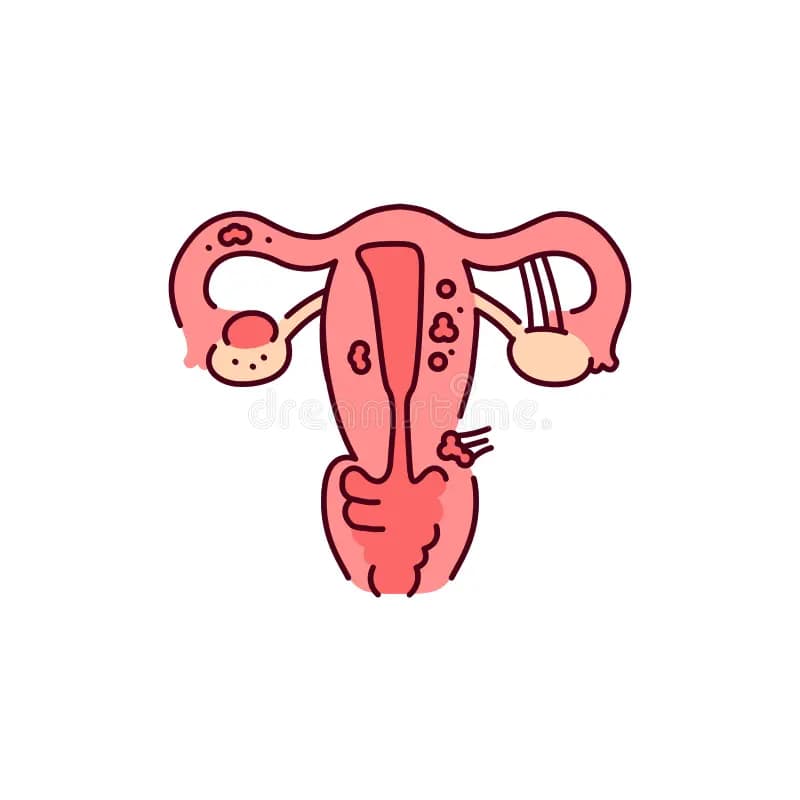
Endometriosis: When uterine tissue grows outside the uterus, affecting the ovaries, uterus, and fallopian tubes.
Certain lifestyle habits, health conditions, or environmental factors may increase the likelihood of developing this condition.
Fertility declines as women age, particularly after the mid-30s, due to a lower quantity and quality of eggs.
Damages the cervix and fallopian tubes, depletes eggs prematurely, and increases risks of miscarriage and ectopic pregnancy.
Alcohol/Drugs: Excessive alcohol and substance use (e.g., marijuana, cocaine) can reduce fertility.
Important highlights and key medical insights about this condition.
Age Factor: A woman’s fertility declines significantly after age 35 due to a lower quantity and quality of eggs.
Primary Causes: The most common cause is ovulation failure (40%), followed by tubal blockage, endometriosis, and uterine factors.
Lifestyle Impact: Smoking, excessive alcohol, heavy caffeine consumption, and being underweight or overweight can severely impair fertility.
Common Conditions: Polycystic ovary syndrome (PCOS) is a leading cause, as it causes hormone imbalances that prevent ovulation.
Learn more about this speciality and how our experts help you achieve better health outcomes.
Female infertility primarily affects women attempting to conceive, particularly those over 35, experiencing ovulatory disorders (e.g., PCOS, premature ovarian failure), uterine/tubal damage, or endometriosis. Lifestyle factors like smoking, heavy alcohol use, and extreme BMI (overweight or underweight) increase risk.
Connect with experienced doctors who specialize in treating this condition and receive professional medical guidance.
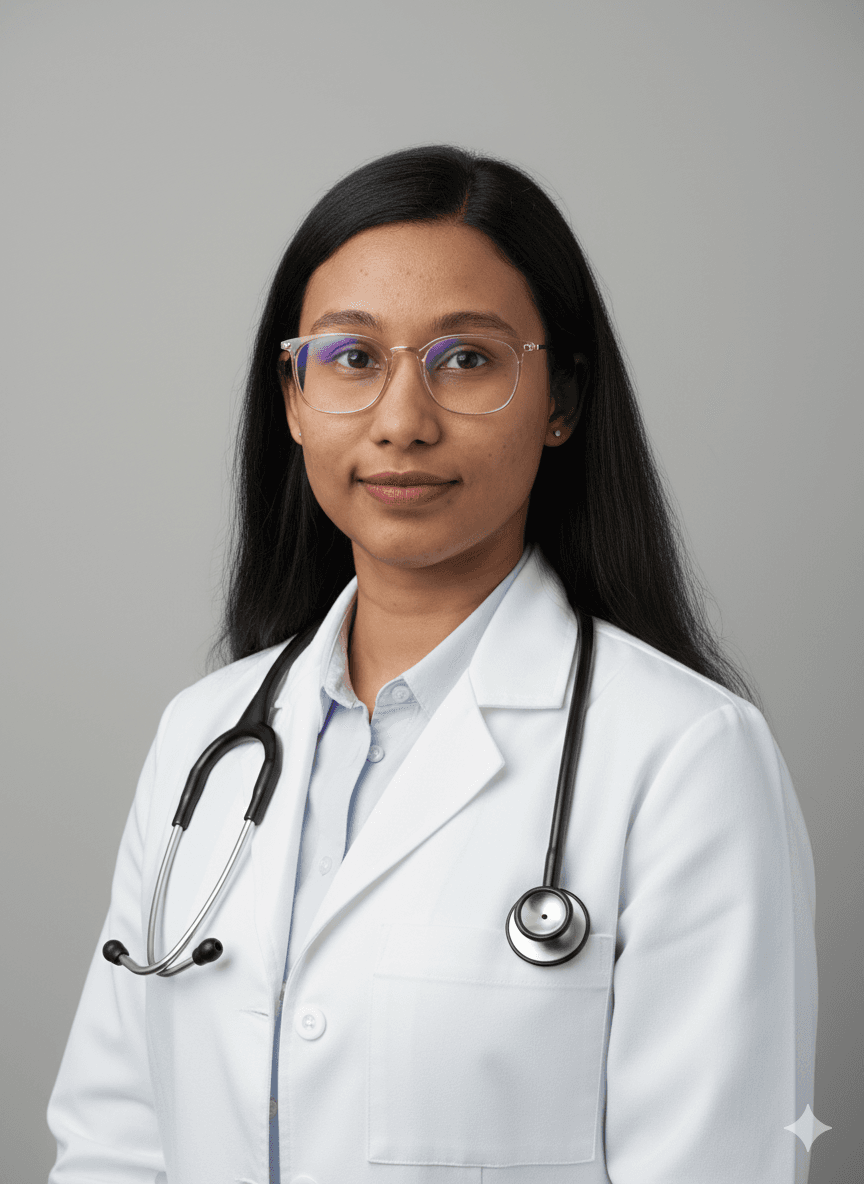
Qualifications: BHMS , BHS(Public Health ,Canada)
Chronic discomfort or pain during intercourse can signal conditions like PID (Pelvic Inflammatory Disease) or endometriosis
Unexplained Physical Changes: Milky breast discharge not related to breastfeeding (suggesting high prolactin) or significant, unexplained weight changes.
Repeated Miscarriages: Experiencing two or more consecutive miscarriages.
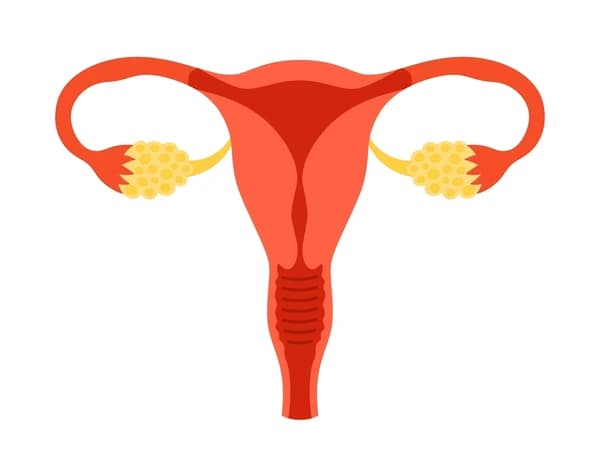
Uterine or Cervical Causes: Polyps, fibroids (tumors), uterine adhesions (scarring), or congenital anatomical abnormalities.
Age-Related Decline: A significant factor where both the number and quality of eggs decrease, accelerating around age 37.

Weight: Being significantly overweight or underweight can disrupt ovulation.
Endometriosis, Polycystic Ovary Syndrome (PCOS), Pelvic Inflammatory Disease (PID), Fibroids, Uterine polyps, Autoimmune Disorders/Thyroid Problems
Environmental/Occupational Factors: Exposure to toxins, pesticides, radiation, or excessive heat.
Sexual/Reproductive History: Prior untreated STIs (e.g., chlamydia, gonorrhea) and previous miscarriages or abortions.
When to Seek Help: Women under 35 should seek advice after one year of trying, while those 35-40 should seek help after six months. Women over 40 should consult a doctor immediately.
Conception is Possible: Infertility does not mean pregnancy is impossible; many women go on to have healthy babies after diagnosis and lifestyle changes or treatments.
Qualifications: BHMS.(FMHMC), MSc Psychology and Counselling, PG Diploma in Guidance and Counselling, Diploma Interactive Drawing Therapy (IDT), Cognitive Behavioural Therapy (CBT), De‑addiction Training (NIMHANS).
Qualifications: BHMS