
Loading...
Loading...
Loading...
Tension headache is the most common type of headache, characterized by mild-to-moderate, non-throbbing pain that feels like a tight band around the head, forehead, or back of the neck.
tension headache is the most common type of headache, characterized by mild-to-moderate, non-throbbing pain that feels like a tight band around the head, forehead, or back of the neck. Often caused by stress, fatigue, or muscle tension, these headaches usually affect both sides of the head and do not typically cause nausea or vomiting.

Homeopathy offers a personalized, non-invasive approach to managing tension headaches by treating the individual based on their specific symptoms—physical, emotional, and mental—rather than just masking the pain. Homeopathic remedies are designed to address the underlying causes of headaches, such as stress, anxiety, or physical overexertion, aiming for long-term relief rather than temporary suppression.
Recognizing early symptoms can help identify health issues sooner and ensure timely medical care.
Affects both sides of the head (bilateral).
Mild to moderate pain; rarely interferes with daily tasks, unlike migraine headaches.
Dull, aching, non-pulsating pressure (not throbbing).
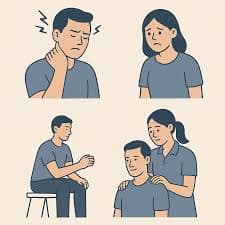
Muscular Tenderness: Aching or tight muscles in the neck, shoulders, and scalp.

Typically comes on slowly, often hours after waking, and may worsen throughout the day.
Can last from 30 minutes up to 7 days.
Can be episodic (fewer than 15 days per month) or chronic (15 or more days per month).
Understanding the underlying causes helps doctors diagnose conditions accurately and choose the most effective treatment.
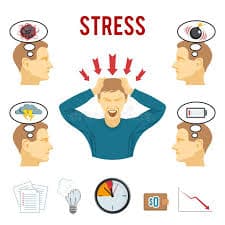
Emotional or mental stress, anxiety, and depression are major contributors.
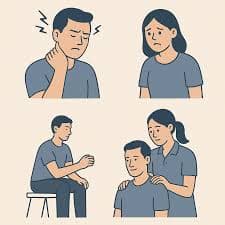
Muscle contractions in the neck, shoulders, and jaw (e.g., clenching) often cause these headaches.
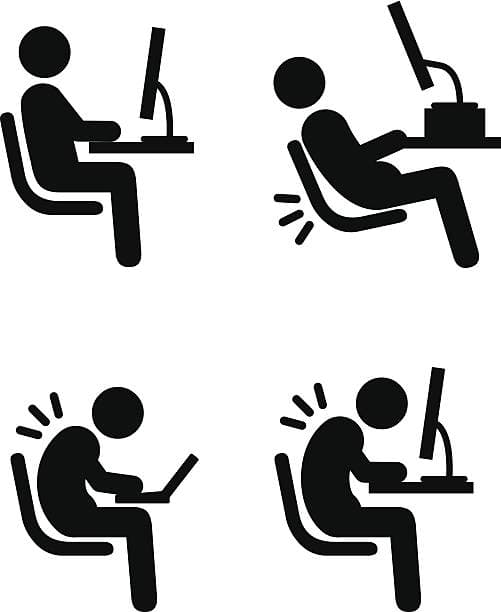
Holding the head in one position for too long, such as at a computer, or poor posture.

Lack of sleep, fatigue, skipping meals, dehydration, and excessive alcohol or nicotine use.
Eye strain from prolonged screen time.
Certain lifestyle habits, health conditions, or environmental factors may increase the likelihood of developing this condition.
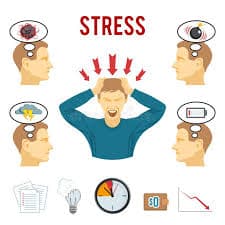
The most significant factor; high stress from work or relationships is a leading cause.
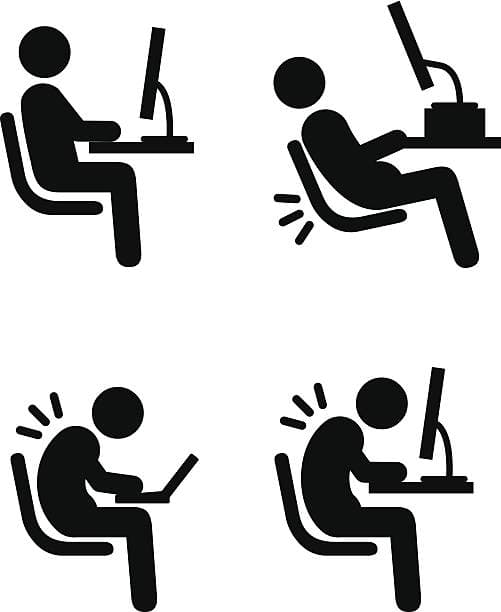
Poor Posture: Prolonged slouching or holding the neck forward, which strains muscles in the neck and scalp.
Sleep Issues: Insufficient sleep, poor sleep quality, or sleep apnea.
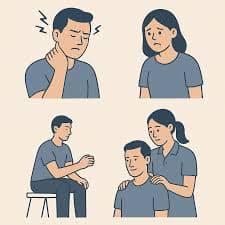
Clenching the jaw or tension in shoulders and neck.
Eye Strain: Prolonged screen time or focusing on close objects.

Bright lights, loud noises, or strong odors.

Skipping meals, dehydration, and high caffeine intake or sudden withdrawal.

Hormonal Changes: Changes related to menstruation, pregnancy, or menopause.
Medication Overuse: Frequent, regular use of painkillers can paradoxically cause more headaches.
Important highlights and key medical insights about this condition.
Symptoms: Dull, aching pain, or pressure on both sides of the head (not usually throbbing).
Location: Affects the forehead, temples, and back of the head/neck.
Duration: Can last from 30 minutes to several days.
Episodic: Occur rarely or fewer than 15 days per month.
Chronic: Occur 15 or more days a month for at least three months.
Differentiators: Unlike migraines, they usually do not cause nausea, vomiting, or severe sensitivity to light/sound. Physical activity generally does not make them worse.
Learn more about this speciality and how our experts help you achieve better health outcomes.
Tension headaches are the most common headache type, affecting people of all ages but most frequently adults and older teens, with a higher prevalence in women. They are primarily triggered by stress, anxiety, poor posture, and fatigue. They often affect individuals experiencing high daily stress, depression, or jaw clenching.
See a doctor for tension headaches if they occur more than twice a week, disrupt daily activities, or require daily medication. Seek immediate medical attention for "thunderclap" (sudden, severe) headaches, those accompanied by fever, stiff neck, confusion, vision changes, or weakness, or any new headache pattern after age 50.
Connect with experienced doctors who specialize in treating this condition and receive professional medical guidance.

Qualifications: BHMS , BHS(Public Health ,Canada)

Qualifications: BHMS.(FMHMC), MSc Psychology and Counselling, PG Diploma in Guidance and Counselling, Diploma Interactive Drawing Therapy (IDT), Cognitive Behavioural Therapy (CBT), De‑addiction Training (NIMHANS).

Qualifications: BHMS