
Loading...
Loading...
Loading...
Migraine is a neurological disorder characterized by recurring, moderate-to-severe throbbing or pulsating headache pain, typically on one side of the head.
Migraine is a headache that can cause intense throbbing pain or a pulsing feeling, usually on one side of the head. It often happens with nausea, vomiting, and extreme sensitivity to light and sound. Migraine attacks can last for hours to days, and the pain can be so bad that it interferes with your daily activities.
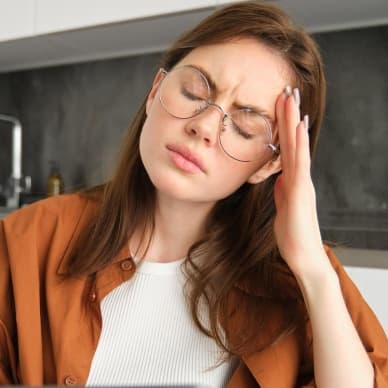
Homeopathy treats migraines by focusing on the individual’s unique symptoms, rather than just the headache itself, aiming to reduce the frequency and intensity of attacks. It uses natural remedies based on "like cures like" principles, seeking to address underlying triggers like stress or hormonal imbalances.
Recognizing early symptoms can help identify health issues sooner and ensure timely medical care.
Headache Phase: Throbbing/pulsating pain, usually unilateral, worsened by physical activity.
High sensitivity to light (photophobia), sound (phonophobia), and odors.
Neurological Changes (Aura): Occurs in some, including visual disturbances (zigzag lines, flashing lights, blind spots) or numbness/tingling in the face or hands.

Nausea, vomiting, dizziness, and neck stiffness.

Before the headache, people may experience fatigue, mood changes, or food cravings. Afterward, they may feel exhausted or "hungover".
Understanding the underlying causes helps doctors diagnose conditions accurately and choose the most effective treatment.

Migraines often run in families, with up to 80% of sufferers having a close biological relative with the condition. Specific gene mutations, such as those impacting voltage-gated channels, can cause certain types of migraines.
Migraines involve sudden shifts in brain activity. This can start with an aura (cortical spreading depression) followed by the activation of the trigeminovascular system, which sends pain signals to the brainstem and upper spinal cord.

Hormonal Fluctuations: Women are more likely to experience migraines, often due to changes in estrogen levels associated with menstruation, pregnancy, or menopause.
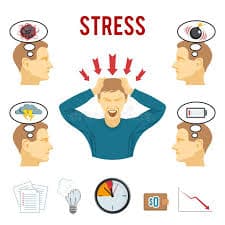
Emotional stress and anxiety are among the most common triggers.
Sleep Disturbances: Both getting too little or too much sleep can trigger a migraine.

Skipping meals, fasting, dehydration, or consuming specific foods like aged cheeses, alcohol, MSG, nitrates (in processed meats), and chocolate.
Changes in barometric pressure or extreme weather changes

Bright, flickering, or glaring lights (even sunlight), loud sounds, and strong smells (perfumes, gasoline).
Certain lifestyle habits, health conditions, or environmental factors may increase the likelihood of developing this condition.

Up to 80% of people with migraines have a first-degree relative with the condition.

Women are three times more likely than men to experience migraines.

Hormonal fluctuations during menstruation, pregnancy, or menopause are significant factors.

While they can start in childhood, they often peak during the 30s and may decrease after menopause.
Insufficient, excessive, or irregular sleep schedules.
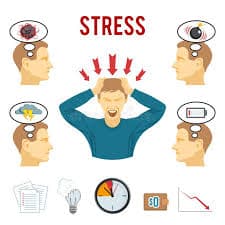
A leading trigger, affecting up to 80% of sufferers.

Alcohol (especially red wine), caffeine withdrawal, aged cheese, artificial sweeteners (aspartame), and MSG.

Bright lights, sun glare, loud noises, and strong smells (perfumes, chemicals).

Associated with depression, anxiety, sleep disorders, and epilepsy.
Frequent use of pain medication can lead to medication overuse headaches (rebound headaches).

Lack of water intake.
Important highlights and key medical insights about this condition.
More Than a Headache: Migraine is a complex neurological disorder, frequently involving one-sided throbbing pain.
Aura: About 25–30% of sufferers experience "aura"—temporary visual (blind spots, flashes), sensory, or speech disturbances before or during the headache.
Prevalence & Gender: 12% of people worldwide have migraines. It is three times more common in women due to hormonal factors.
Duration: Attacks typically last between 4 and 72 hours.
Common Triggers: Stress (70% of cases), irregular sleep, hormonal changes, alcohol, dehydration, and certain foods.
Causes: While exact causes are unclear, they often involve hereditary factors (genetics) and abnormal brain activity.
Learn more about this speciality and how our experts help you achieve better health outcomes.
Migraines affect about 12% of people worldwide, with a significantly higher prevalence in women (one in five) compared to men (one in 16). They are chronic, hereditary neurological conditions that often strike between ages 18 and 44, though they can affect children and adults of all genders.
You should see a doctor if your headaches become frequent, more severe, or if you experience "red flag" symptoms that could indicate a more serious underlying condition.
Connect with experienced doctors who specialize in treating this condition and receive professional medical guidance.

Qualifications: BHMS , BHS(Public Health ,Canada)

Qualifications: BHMS.(FMHMC), MSc Psychology and Counselling, PG Diploma in Guidance and Counselling, Diploma Interactive Drawing Therapy (IDT), Cognitive Behavioural Therapy (CBT), De‑addiction Training (NIMHANS).

Qualifications: BHMS