
Loading...
Loading...
Loading...
Headache is pain or discomfort in the head, scalp, or neck region, ranging from dull aches to sharp, throbbing sensations
Headache is a common, often temporary, pain or discomfort in the head, scalp, or neck caused by muscle tension, nerve irritation, or vascular changes. Over 90% are primary (tension, migraine, cluster), often triggered by stress, fatigue, or dehydration, while others are secondary symptoms of underlying conditions.
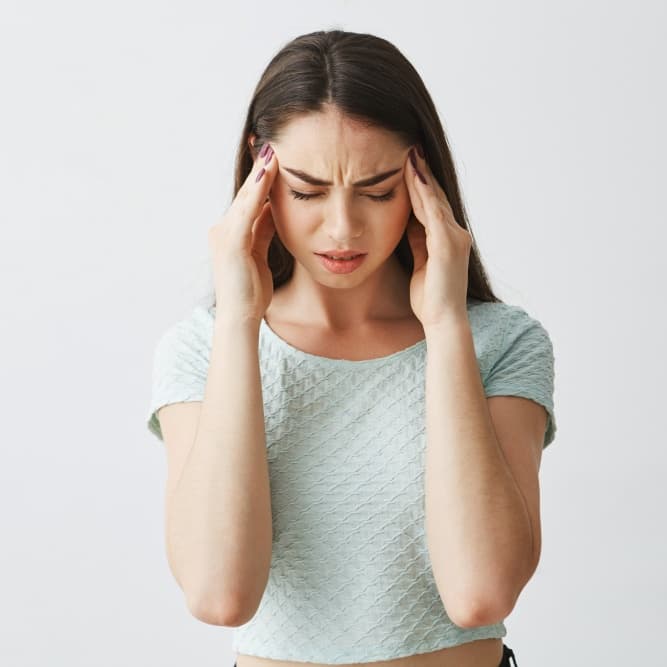
Homeopathy treats headaches by selecting highly diluted, individualized remedies based on specific symptoms, intensity, and triggers. It aims to reduce the frequency and severity of headaches by addressing the patient’s overall physical and emotional state, rather than just the symptoms.
Recognizing early symptoms can help identify health issues sooner and ensure timely medical care.
Pain Quality: Throbbing, pulsating, pounding, dull, aching, or sharp/stabbing.
Location: Unilateral (one-sided), bilateral (both sides), frontal, or localized behind one eye.
Intensity: Ranges from mild to debilitating.
Duration: Can be episodic (short-lived) or chronic (lasting days or weeks).
Understanding the underlying causes helps doctors diagnose conditions accurately and choose the most effective treatment.
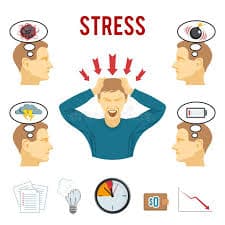
Tension: Tight muscles in the shoulders, neck, scalp, and jaw, often triggered by stress or anxiety.

Dehydration, skipping meals, caffeine withdrawal, alcohol consumption (especially red wine), or poor posture.
Eye strain from screens, or poor sleep.
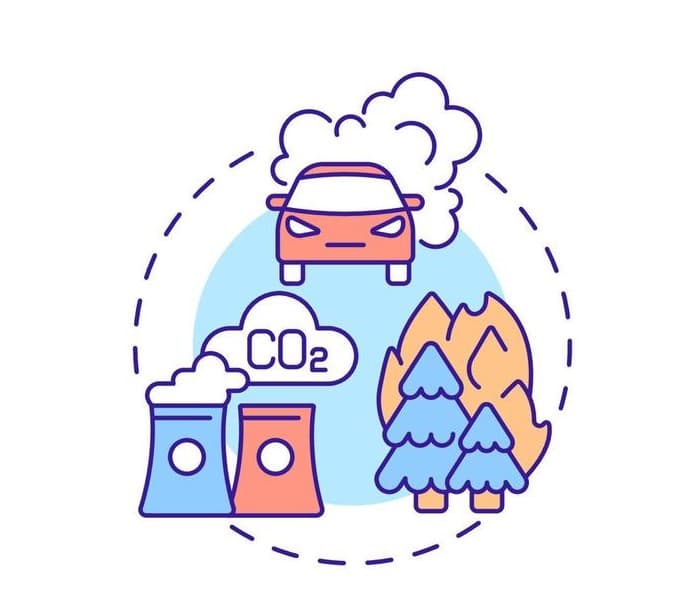
Loud noises, strong odors, changes in weather,

Sinus infections, infections like the flu, or hormonal changes (menopause/menstrual period).
Medication Overuse: Taking too many pain relievers can paradoxically cause "rebound" headaches.
Certain lifestyle habits, health conditions, or environmental factors may increase the likelihood of developing this condition.

Stress, anxiety, lack of sleep, skipping meals, dehydration, and poor posture are major triggers.
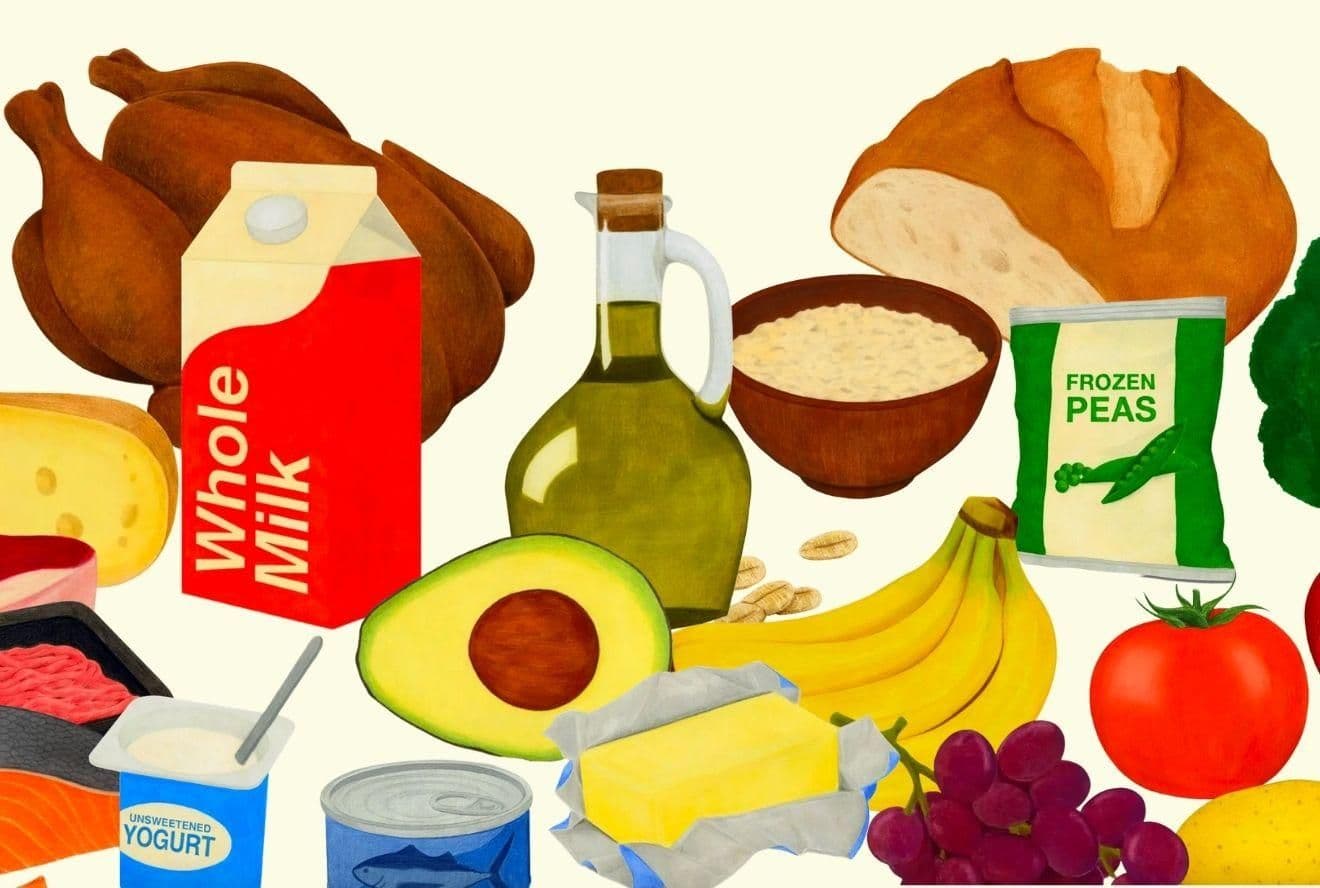
Aged cheeses, alcohol (specifically red wine), processed foods containing nitrates, and caffeine withdrawal.
hormonal fluctuations (menstruation, pregnancy, menopause), neck pain, and tooth infections.
Overuse of pain medication
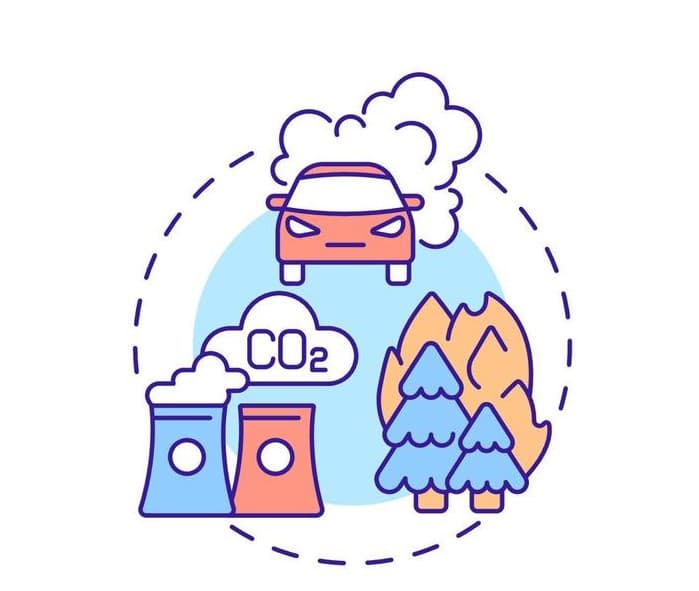
Strong odors (perfumes), bright lights, loud noises, and weather changes.
Family history of headaches, being female (higher prevalence for migraines), and having higher BMI.
Important highlights and key medical insights about this condition.
Most Common Types: Tension headaches (most common) feel like a tight band around the head, while migraines are intense, throbbing, and often on one side.
Key Triggers: Stress, skipped meals, sleep deprivation, alcohol, caffeine withdrawal, and bright lights.
Warning Signs: "Red flag" symptoms include a headache that comes on suddenly like a "thunderclap," or a headache with fever, stiff neck, seizure, or vision changes.
Migraine Prevalence: Affects 1 in 5 women and 1 in 16 men.
Cluster Headaches Characteristics: Uncommon but severe, often causing one-sided pain around the eye, occurring in clusters.
Prevention: Regular sleep, hydration, and diet management help.
Learn more about this speciality and how our experts help you achieve better health outcomes.
Headaches affect nearly everyone at some point, with roughly half of adults experiencing them annually, and they are particularly common in women, who experience higher rates of migraines due to hormonal fluctuations. They impact people of all ages, including children, with peak prevalence among adults aged 35–45.
Consult a doctor for headaches that occur more than twice a week, worsen over time, or disrupt daily life.
Connect with experienced doctors who specialize in treating this condition and receive professional medical guidance.
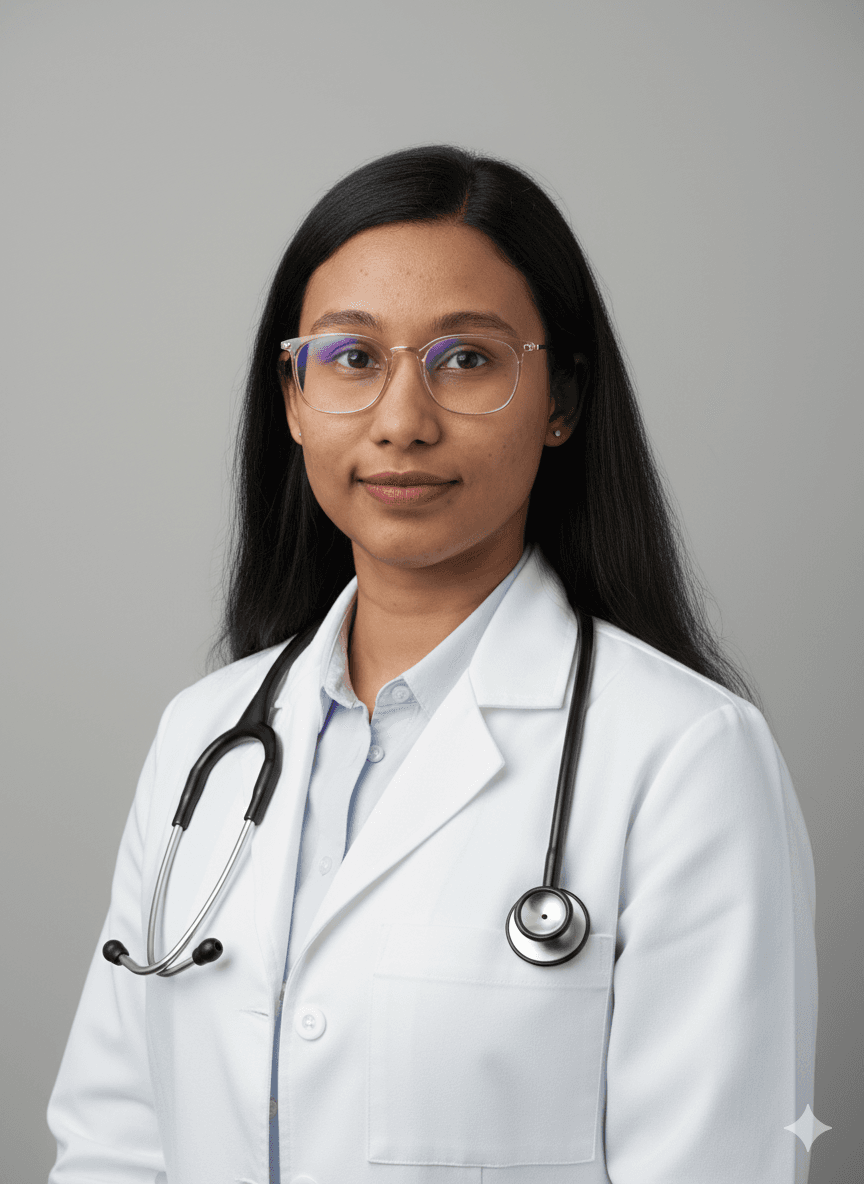
Qualifications: BHMS , BHS(Public Health ,Canada)

Qualifications: BHMS.(FMHMC), MSc Psychology and Counselling, PG Diploma in Guidance and Counselling, Diploma Interactive Drawing Therapy (IDT), Cognitive Behavioural Therapy (CBT), De‑addiction Training (NIMHANS).
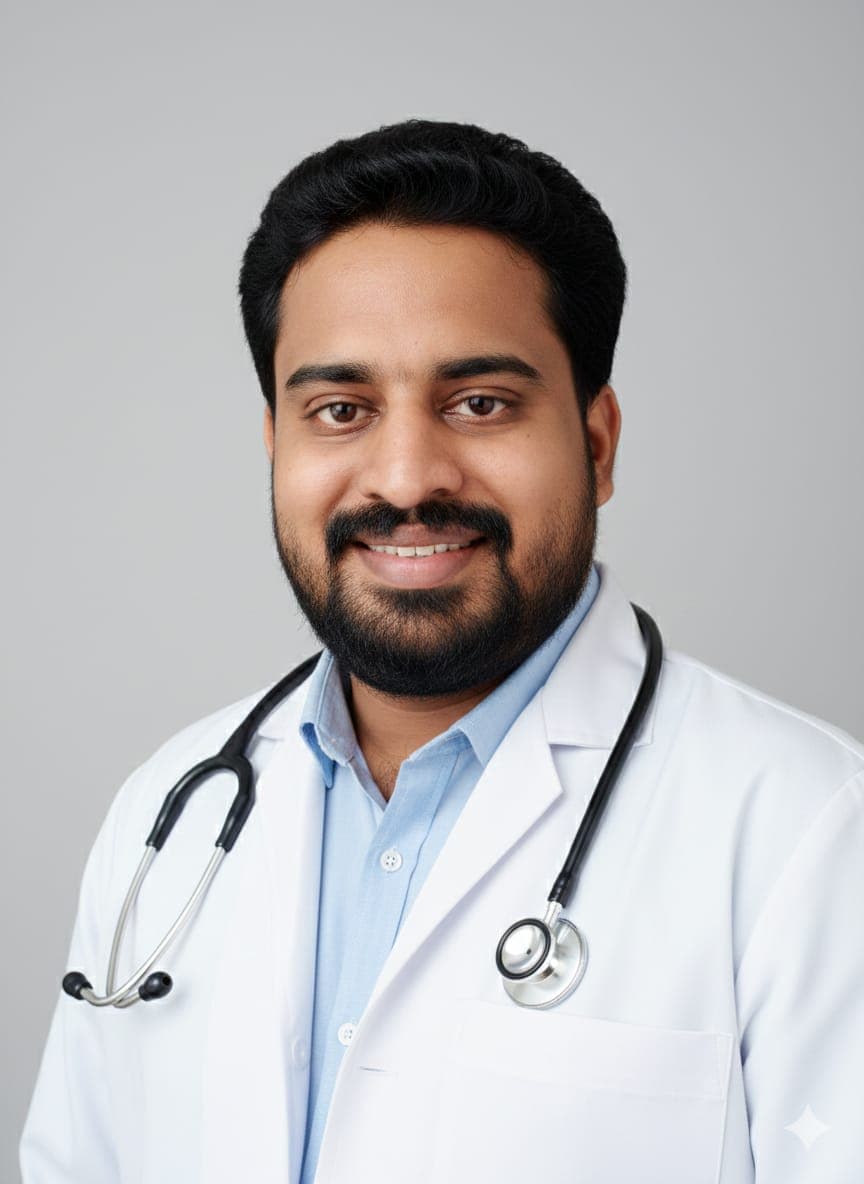
Qualifications: BHMS