
Loading...
Loading...
Loading...
Cluster headache is an intensely painful, rare neurological condition characterized by recurring, short-lived attacks of severe, one-sided pain, often felt around one eye.
Cluster headache is an intensely painful, rare neurological condition characterized by recurring, short-lived attacks of severe, one-sided pain, often felt around one eye. These headaches strike in "clusters"—daily for weeks or months—usually at the same time, often at night, followed by long, pain-free remission periods.

Homeopathy for cluster headaches aims to reduce pain intensity and frequency by selecting remedies based on individual symptoms. Remedies are chosen based on the specific, unique symptoms of the patient rather than a "one-size-fits-all" approach.
Recognizing early symptoms can help identify health issues sooner and ensure timely medical care.
Excruciating Pain: Intense, stabbing, or burning pain, usually located around one eye, temple, or forehead.

Unilateral Location: Symptoms strictly affect one side of the head.

Restlessness/Agitation: Unlike migraine sufferers who prefer to lie down, people with cluster headaches are often unable to stay still, often pacing or rocking.

Cyclical Timing: Often wake individuals from sleep at the same time nightly, often called "alarm clock headaches".

Autonomic Symptoms (Same Side): Watery, red eye (lacrimation). Runny or stuffed-up nostril. Drooping or swollen eyelid (ptosis). Facial sweating or flushing.
Individual attacks last between 15 minutes and 3 hours.

Attacks can occur from once every other day up to eight times per day.

Clusters: Headaches occur daily for a few weeks to months, followed by a pain-free remission period that can last months or years.
Understanding the underlying causes helps doctors diagnose conditions accurately and choose the most effective treatment.
Hypothalamus Dysfunction: The hypothalamus, which regulates circadian rhythms, may trigger sudden, severe pain, explaining why attacks often occur at the same time daily.
Neurovascular Issues: The headaches involve the trigeminal nerve and autonomic nervous system, causing inflammation and dilation of blood vessels.

Changes in histamine or serotonin levels are believed to play a role.

Although not fully confirmed, a familial link is possible, with research suggesting a potential, though often unconfirmed, genetic component.

Alcohol: Known to act as a trigger only during an active cluster cycle.
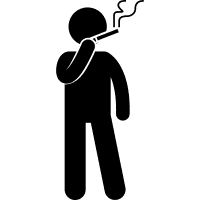
Smoking/Tobacco: A major factor associated with the condition.
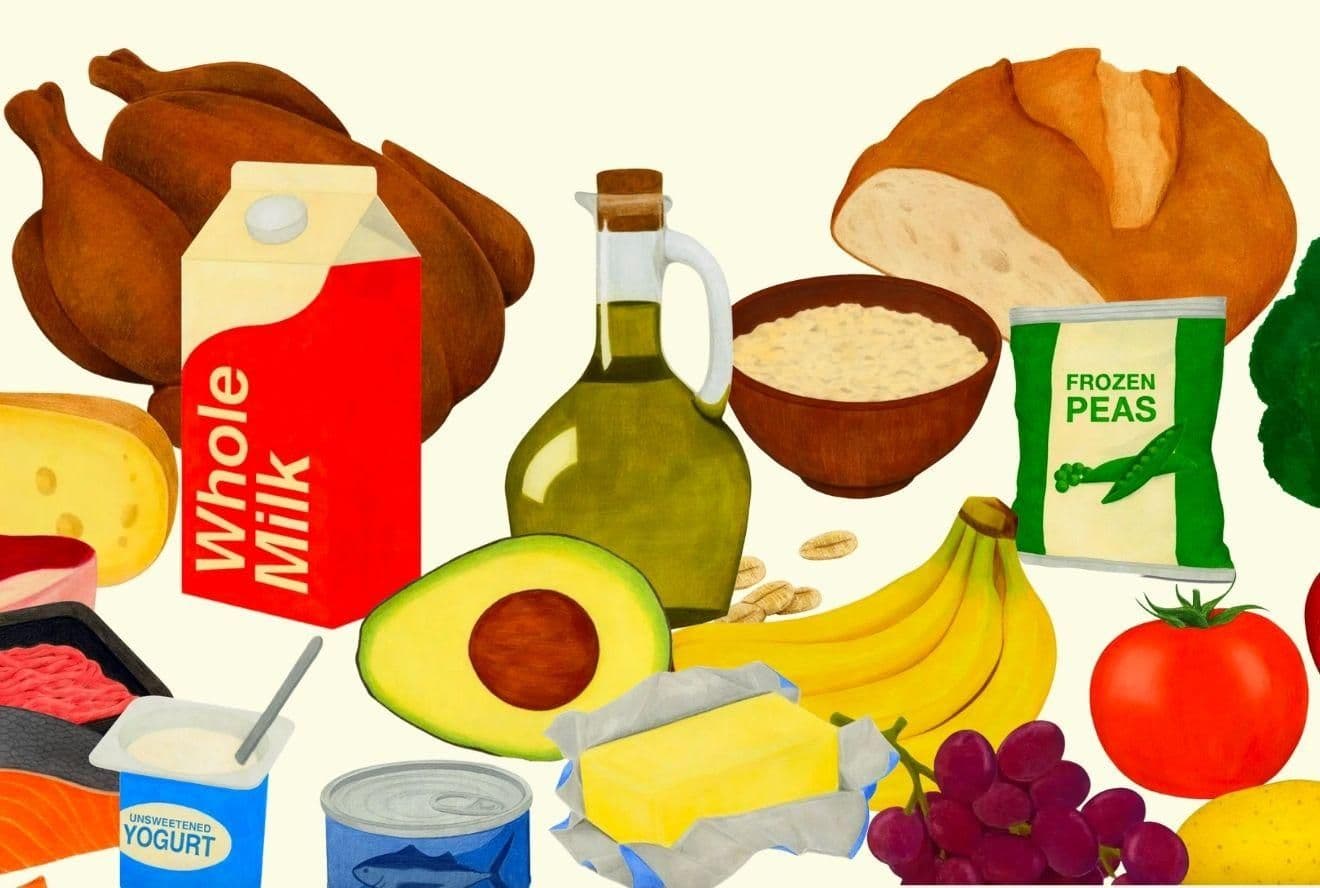
Foods high in nitrites, like processed meats.

Strong Odors: Such as perfumes, oil-based paint, or gasoline. High Altitudes: Air travel or mountain climbing. Heat/Exertion: Hot weather, hot baths, or intense exercise.
Certain lifestyle habits, health conditions, or environmental factors may increase the likelihood of developing this condition.

Males are more likely to be affected than females, with studies showing a ratio varying from 2.1:1 to 4.3:1.

While they can occur at any age, they typically emerge between 20 and 50 years old.
Tobacco use is a major risk factor.

Individuals with a family history of cluster headaches or other primary headaches are at higher risk, suggesting a genetic predisposition.

Head Trauma: A history of head trauma is considered a potential risk factor.
Important highlights and key medical insights about this condition.
Cycles: They occur in "clusters" (episodes), often in the same season, followed by months or years of remission.
Time of Day: Attacks often occur at the same time every day, frequently waking people from sleep.
Commonality: More common in men, though not exclusively, often appearing around age 30.
Causes: The exact cause is unknown, but they are linked to the hypothalamus (the body's clock) and are not considered dangerous in the way of having an underlying tumor, but are incredibly disabling.
Triggers: Alcohol, tobacco, nicotine, high altitudes, and strong odors/light.
Duration: Lasts 15 minutes to 3 hours.
Learn more about this speciality and how our experts help you achieve better health outcomes.
Cluster headaches primarily affect adults, often in their 30s, with a higher prevalence in men, though women are also affected. They are characterized by sudden, intense, unilateral pain (often near one eye) lasting 15 to 180 minutes, frequently appearing during sleep, and often in cyclical, seasonal patterns.
See a doctor immediately for new, sudden, or extremely severe ("thunderclap") headaches, or if they are accompanied by fever, stiff neck, confusion, vision changes, or weakness.
Connect with experienced doctors who specialize in treating this condition and receive professional medical guidance.

Qualifications: BHMS , BHS(Public Health ,Canada)

Qualifications: BHMS.(FMHMC), MSc Psychology and Counselling, PG Diploma in Guidance and Counselling, Diploma Interactive Drawing Therapy (IDT), Cognitive Behavioural Therapy (CBT), De‑addiction Training (NIMHANS).

Qualifications: BHMS