Loading...
Loading...
Loading...
Thinning of hair is the gradual reduction in hair density and volume across the scalp, where individual hair follicles produce finer, shorter, or weaker strands rather than disappearing entirely.
Thinning hair is a gradual decrease in hair density where hair feels less full, finer, or breaks easily, often leading to increased scalp visibility.
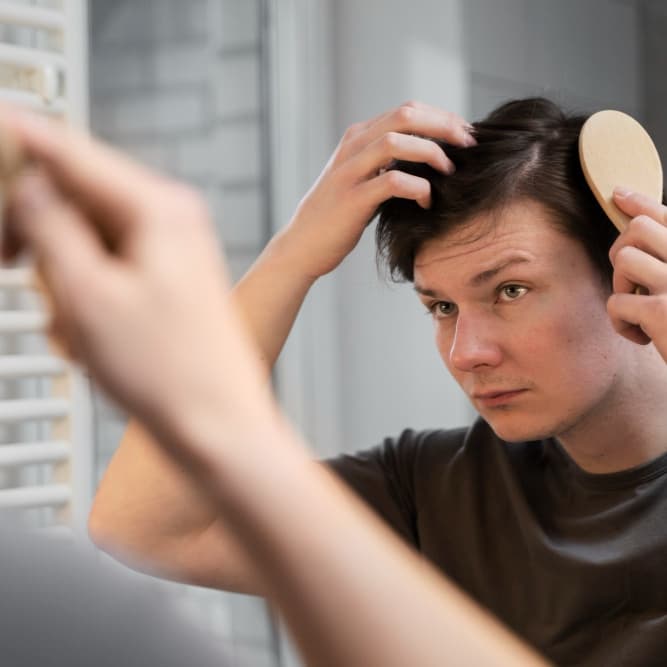
Homeopathy addresses hair thinning by treating the root causes—such as hormonal imbalances, stress, and nutritional deficiencies—using natural, personalized remedies to strengthen follicles and stimulate regrowth.
Recognizing early symptoms can help identify health issues sooner and ensure timely medical care.
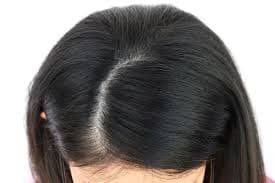
Widening Part: The part line on your scalp appears broader than it used to.
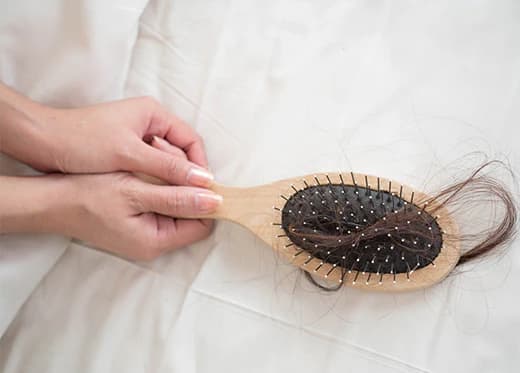
Increased Shedding: Finding significantly more hair in your brush, shower drain, or on your pillow.

Reduced Volume: A ponytail feels thinner, or you need to wrap the hair tie more times.
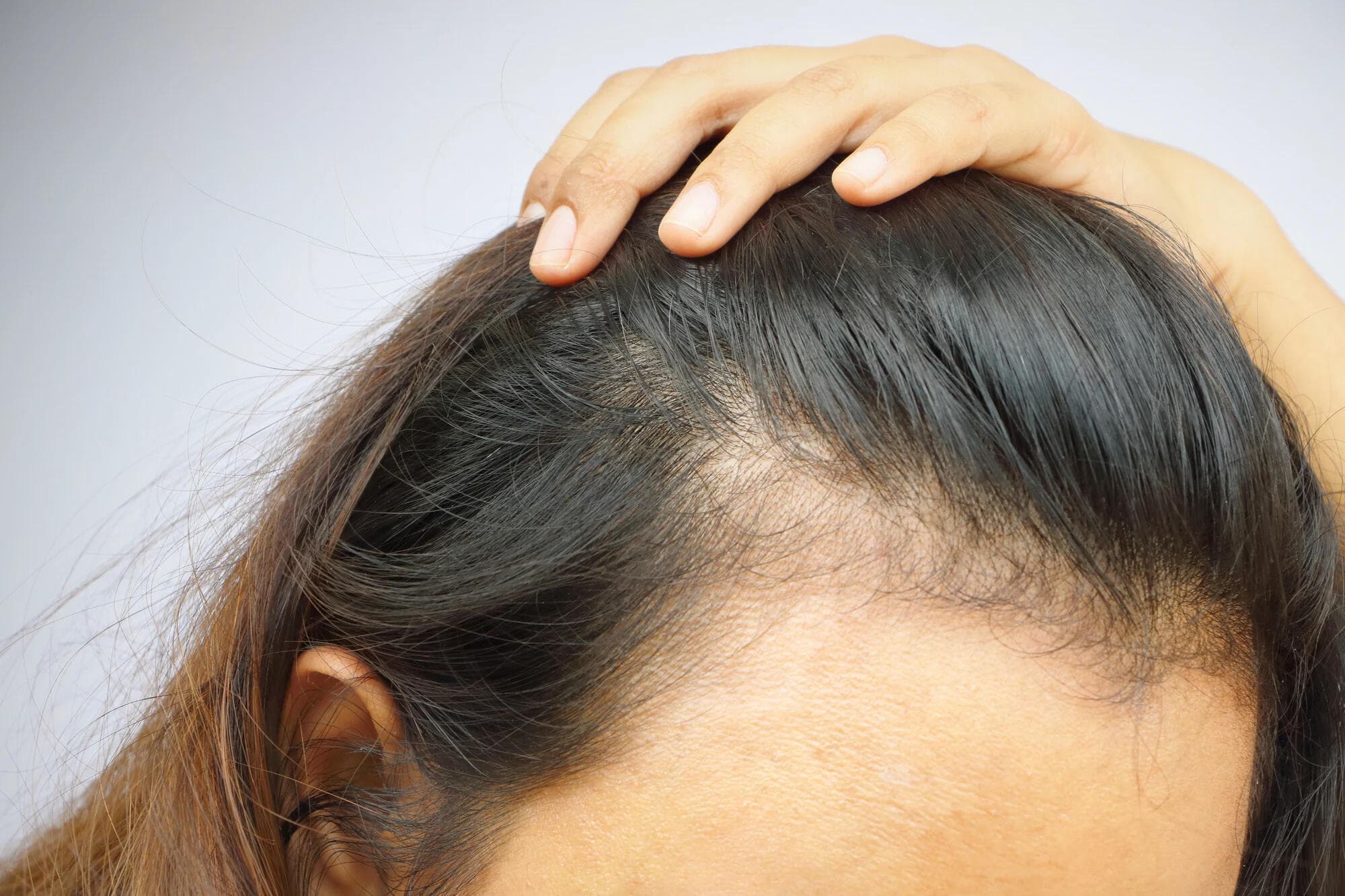
The scalp is easier to see through the hair, particularly at the crown or temples.
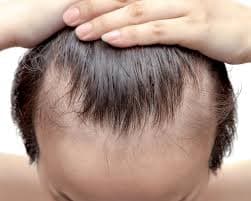
The hairline moves backward, commonly at the temples for men.
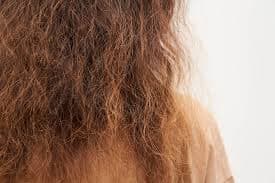
Texture Changes: Hair feels finer, weaker, or more brittle.
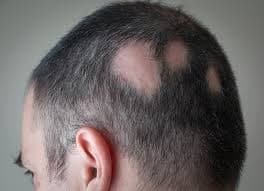
Patchy Loss: Circular, bald, or itchy spots on the scalp, beard, or eyebrows
Understanding the underlying causes helps doctors diagnose conditions accurately and choose the most effective treatment.
The most common cause is hereditary, known as male or female pattern baldness, which causes gradual thinning.
Thyroid disorders, menopause, pregnancy, and childbirth can shift hair growth cycles.
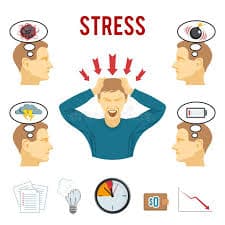
High levels of emotional stress can trigger telogen effluvium, causing increased shedding.
Low levels of iron, zinc, vitamin D, or protein can weaken hair roots.

Hair Care Practices: Overuse of heat styling, chemical treatments (perms, dyes), and tight hairstyles (braids, ponytails) cause damage and traction alopecia.
Conditions like autoimmune diseases (alopecia areata) or scalp infections can cause thinning.
Medications for cancer (chemotherapy), high blood pressure, and depression can also trigger hair loss.
Certain lifestyle habits, health conditions, or environmental factors may increase the likelihood of developing this condition.
Family history of hair loss (pattern baldness) is a primary driver.
Hair follicles naturally shrink and grow slower with age, often leading to reduced density.
Hormonal Imbalances: Changes during pregnancy, childbirth, menopause, or conditions like Polycystic Ovary Syndrome (PCOS) can trigger significant shedding.
Inadequate intake of iron, zinc, protein, vitamin D, or deficiencies in biotin can cause hair loss. Rapid weight loss is also a common factor.
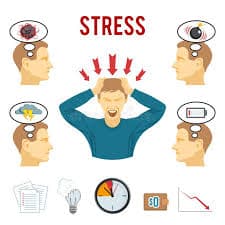
Physical or emotional stress (e.g., surgeries, severe illness, grief) can lead to temporary, intense shedding known as telogen effluvium.

Hair Care Practices: Frequent use of harsh chemicals (perms, dyes), heat styling tools, and tight, pulling hairstyles (braids, ponytails) cause damage and permanent follicle damage, often leading to traction alopecia.
Thyroid disease (hypothyroidism/hyperthyroidism), autoimmune diseases like alopecia areata, and scalp infections
Chemotherapy, antidepressants, and high blood pressure medication.
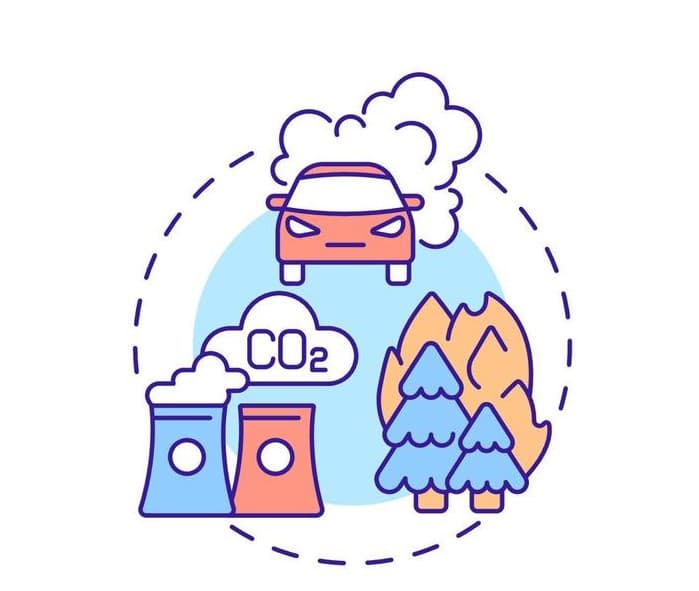
Continued exposure to pollution and UV radiation can damage the scalp and hair
Important highlights and key medical insights about this condition.
Prevalence: By age 50, roughly 85% of men and 33-50% of women experience significant hair thinning.
Causes: The top factors are genetics, hormones, high stress levels, nutrient deficiencies (iron, zinc), and age.
Temporary vs. Permanent: Temporary thinning (Telogen Effluvium) often follows severe stress, rapid weight loss, or childbirth. Permanent loss is often hereditary (Androgenetic alopecia).
Women's Patterns: Women typically experience diffuse thinning on the top of the head while maintaining a normal hairline.
Men's Patterns: Men usually see a receding hairline or thinning at the crown.
Lifestyle Factors: Tight ponytails, harsh chemical treatments, and low-protein diets can exacerbate hair loss.
Learn more about this speciality and how our experts help you achieve better health outcomes.
Thinning hair affects roughly 50% of people at some point, primarily driven by genetics, aging (50+), and hormonal shifts like menopause or PCOS. It also commonly impacts individuals under stress, those with nutritional deficiencies (iron, protein), or people experiencing sudden weight loss or postpartum changes.
Consult a doctor for thinning hair if you notice sudden, patchy, or rapid loss, excessive shedding (>150+ strands daily), or if thinning is accompanied by scalp itching, pain, redness, or burning.
Connect with experienced doctors who specialize in treating this condition and receive professional medical guidance.

Qualifications: BHMS.(FMHMC), MSc Psychology and Counselling, PG Diploma in Guidance and Counselling, Diploma Interactive Drawing Therapy (IDT), Cognitive Behavioural Therapy (CBT), De‑addiction Training (NIMHANS).
Qualifications: BHMS

Qualifications: BHMS (Homeo), MSc Psychology, PG Diploma in Guidance & Counselling, Diploma in Nutrition and Health Education, Bachelor of Health Science Public Health (Canada), Certified Public Health Inspector of Canada.