Loading...
Loading...
Loading...
Hair fall (alopecia) is the loss of hair (over 100 hairs/day) from the scalp or body, which can be temporary or permanent.
Hair fall (alopecia) is the shedding of hair, which can be temporary or permanent, resulting from factors like genetics, hormonal changes, medical conditions, or aging.
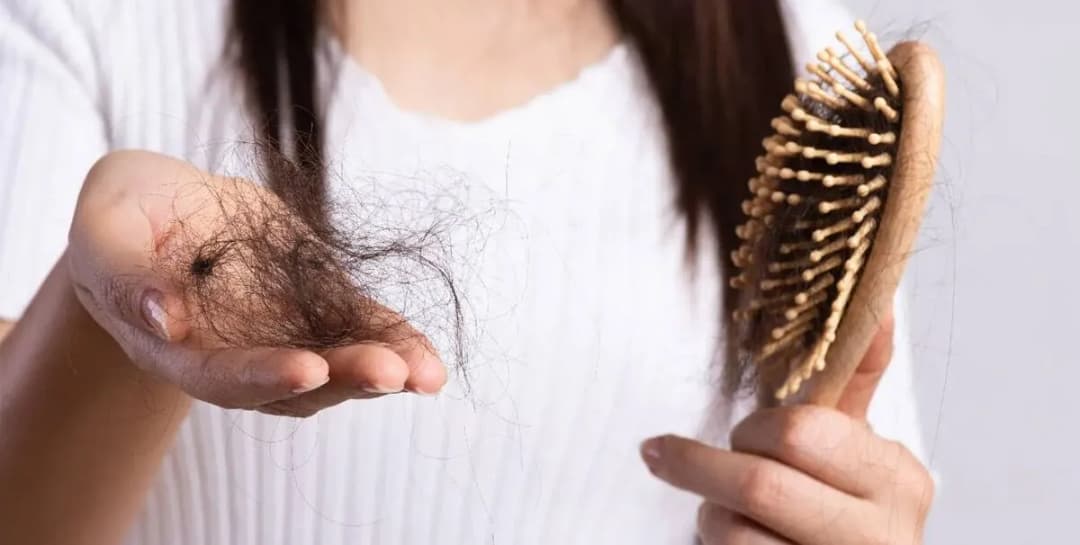
Homeopathy treats hair fall by addressing root causes—such as hormonal imbalances, stress, and nutritional deficiencies—rather than just masking symptoms. It uses natural remedies to stimulate hair follicles, improve scalp circulation, and strengthen roots, promoting long-term, natural regrowth without side effects.
Recognizing early symptoms can help identify health issues sooner and ensure timely medical care.
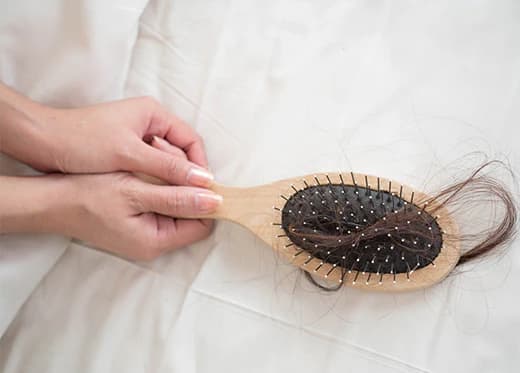
Increased Shedding: Finding significantly more hair in hairbrushes, pillows, or the shower drain.
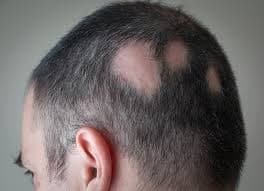
Thinning or Patches: Noticeable decrease in overall density, particularly on top of the head, or small, round, or,patchy bald spots.
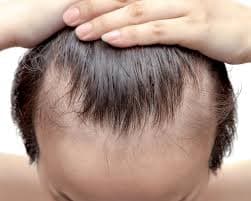
The hairline moving backward on the forehead or temple areas.
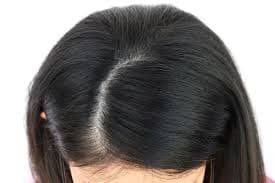
The part in your hair appearing wider than usual.
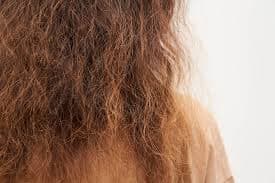
Hair becoming, brittle dry
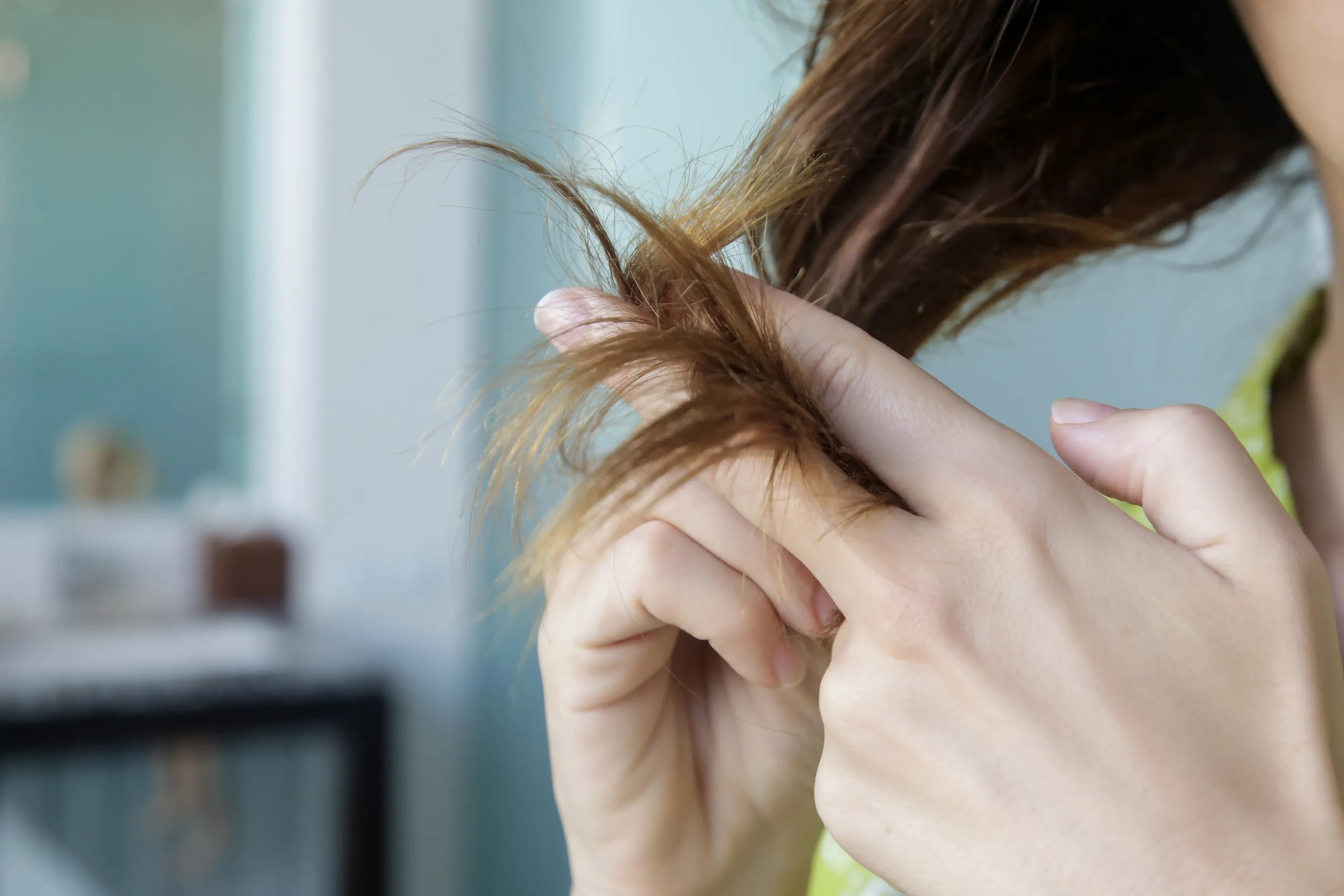
Hair breaking easily.
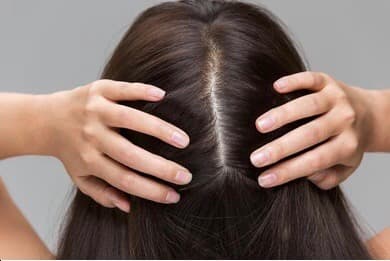
Scalp Symptoms: Itching, tenderness, burning, or redness/sores on the scalp.
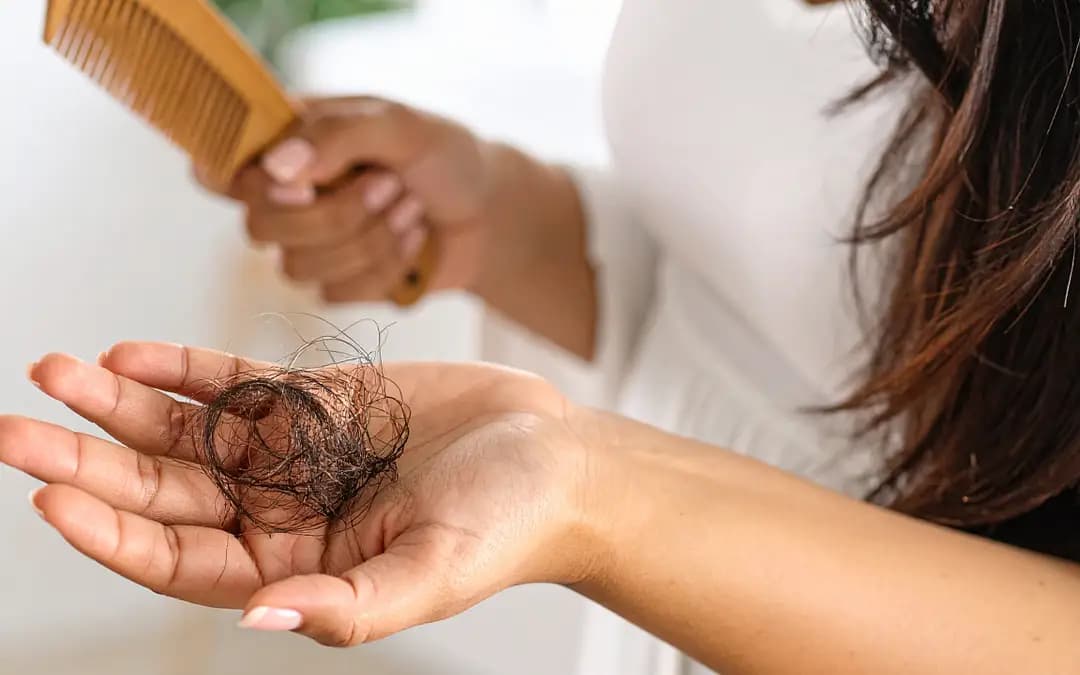
Body Hair Loss: Hair loss on eyebrows, eyelashes, arms, or legs.
"Pull Test": Gently pulling a small, ~40-60 hair section of hair produces more than 5-6 strands.
Understanding the underlying causes helps doctors diagnose conditions accurately and choose the most effective treatment.

Hereditary pattern baldness (androgenetic alopecia) is the most common cause, causing thinning on the crown or a receding hairline.
Hormonal Imbalances: Pregnancy, childbirth, menopause, PCOS, and thyroid issues can trigger significant shedding.

Lack of essential nutrients, specifically iron, zinc, biotin, protein, and Vitamin D, can weaken hair follicles.
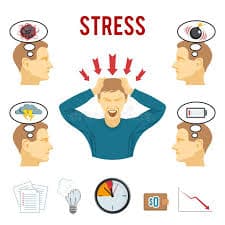
Severe shock, major surgery, or high stress can cause temporary thinning, known as telogen effluvium.
Tight hairstyles (ponytails, braids) cause traction alopecia.
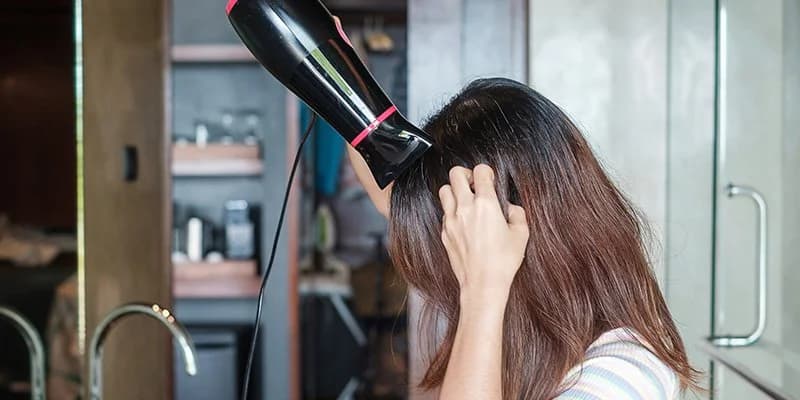
Frequent chemical treatments (dye, bleach, perms) and heat tools (straighteners, dryers) cause breakage.
Scalp infections (ringworm), autoimmune diseases (alopecia areata).
Drugs for blood pressure, cancer, or depression.
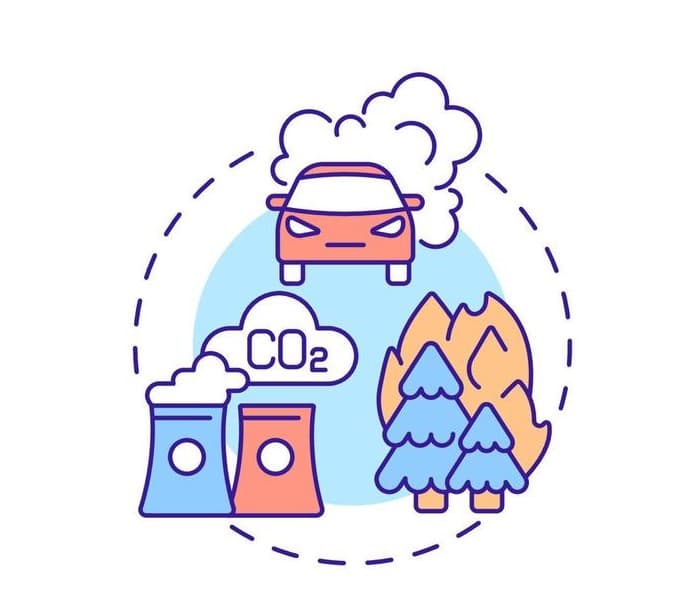
High levels of air pollution can cause dryness, scalp flakiness, and weakened follicles.
Certain lifestyle habits, health conditions, or environmental factors may increase the likelihood of developing this condition.

Family history of androgenetic alopecia is a primary cause for both male and female pattern baldness.
Hormonal Imbalances: Changes due to puberty, pregnancy, childbirth, or thyroid disorders often trigger shedding.

Lack of essential nutrients, particularly iron, zinc, vitamin D, and protein, can weaken hair follicles.
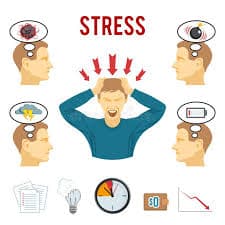
Physical or emotional stress (e.g., surgery, illness, high fever, or bereavement) can cause temporary, significant hair loss known as telogen effluvium.

Frequent use of heating tools (curling irons, straighteners), chemical treatments (bleaching, perming), and tight hairstyles (traction alopecia) can break hair and damage follicles.
Certain drugs for cancer (chemotherapy), arthritis, depression, and heart problems can cause hair loss as a side effect.
As individuals age, particularly after 50, hair growth slows and follicles may shrink, leading to thinner hair.
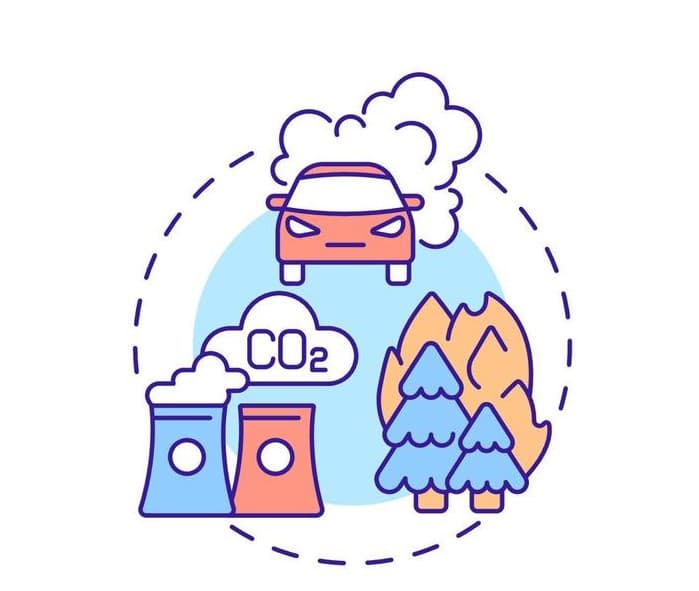
Environmental Factors: Exposure to high pollution, UV radiation, and harsh climates can weaken the hair shaft.
Significant Weight Loss: Rapid, extreme weight loss can disrupt the hair growth cycle.
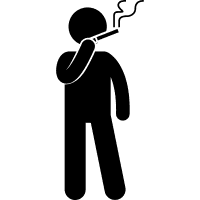
Research suggests an association between smoking and increased hair loss.
Important highlights and key medical insights about this condition.
Normal Shedding: Losing 50-100 hairs a day is typical, though this can vary.
Stress & Health: High fever, major surgery, severe stress, or illnesses like COVID-19 can cause significant temporary loss (telogen effluvium).
Gender Differences: Men often lose hair at the temples/crown (receding hairline), whereas women typically experience thinning over the top of the head.
Age Factor: By age 65, approximately 53% of men and 37% of women experience significant pattern baldness.
Lifestyle & Hair Care: Tight hairstyles (ponytails), excessive heat styling, and chemical treatments can cause hair damage or breakage.
Learn more about this speciality and how our experts help you achieve better health outcomes.
Hairfall affects people of all genders, ages, and backgrounds, though it is most common in aging adults, affecting roughly 85% of men and 33% of women in their lifetime. It is primarily driven by genetics, hormonal changes (pregnancy, menopause), stress, or medical conditions, with men often experiencing pattern baldness and women encountering diffuse thinning.
See a doctor for hair loss if you experience sudden, rapid shedding, notice bald patches, or lose more than 100 strands daily for over 3 months. Consult a professional if hair loss is accompanied by scalp itching, pain, burning, or signs of illness like fatigue or weight changes.
Connect with experienced doctors who specialize in treating this condition and receive professional medical guidance.

Qualifications: BHMS.(FMHMC), MSc Psychology and Counselling, PG Diploma in Guidance and Counselling, Diploma Interactive Drawing Therapy (IDT), Cognitive Behavioural Therapy (CBT), De‑addiction Training (NIMHANS).
Qualifications: BHMS

Qualifications: BHMS (Homeo), MSc Psychology, PG Diploma in Guidance & Counselling, Diploma in Nutrition and Health Education, Bachelor of Health Science Public Health (Canada), Certified Public Health Inspector of Canada.