Loading...
Loading...
Loading...
Damaged hair is characterized by a compromised, lifted, or broken cuticle layer, leading to loss of moisture, strength, and elasticity. It appears dry, dull, frizzy, and prone to breakage.
Damaged hair is characterized by compromised, brittle hair shafts with lifted or missing cuticles, often leading to breakage, split ends, dryness, and a dull, rough, or "straw-like" texture.
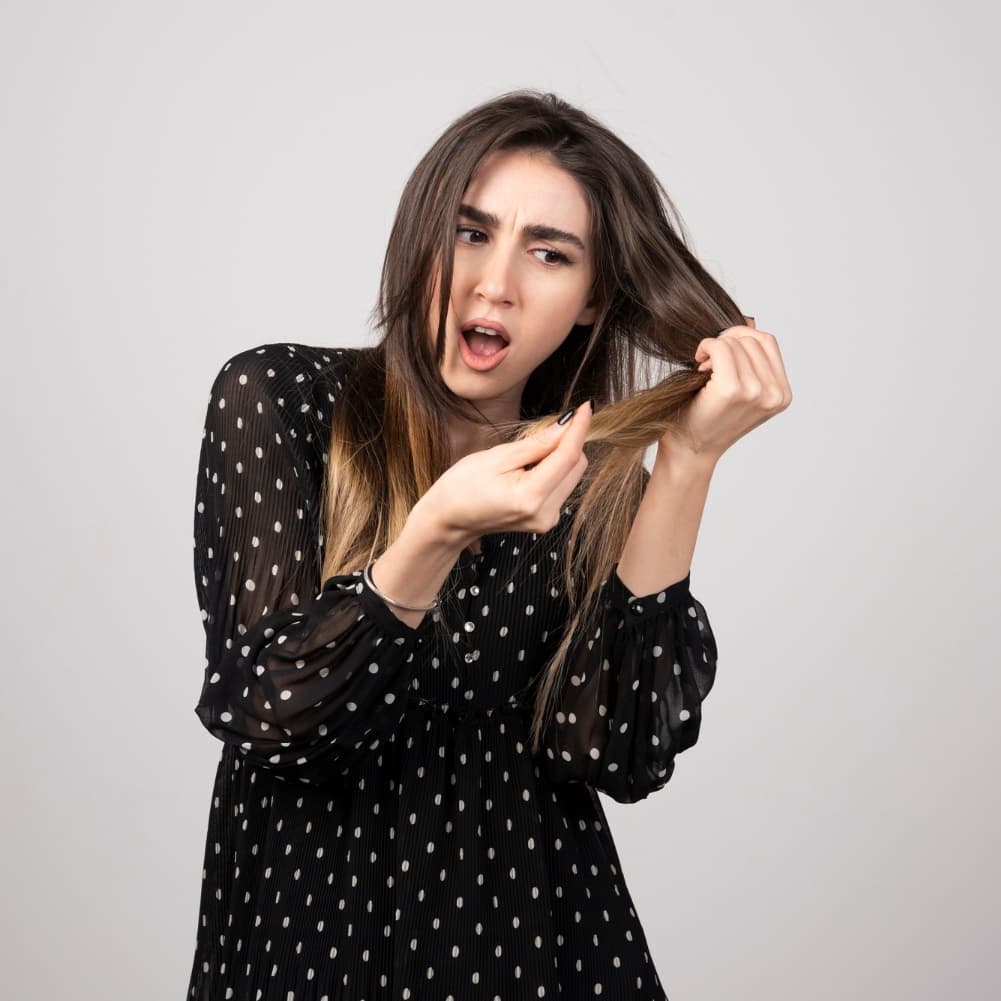
Homeopathy treats hair damage holistically by addressing root causes like hormonal imbalances, stress, and nutritional deficiencies, rather than just symptoms.
Recognizing early symptoms can help identify health issues sooner and ensure timely medical care.
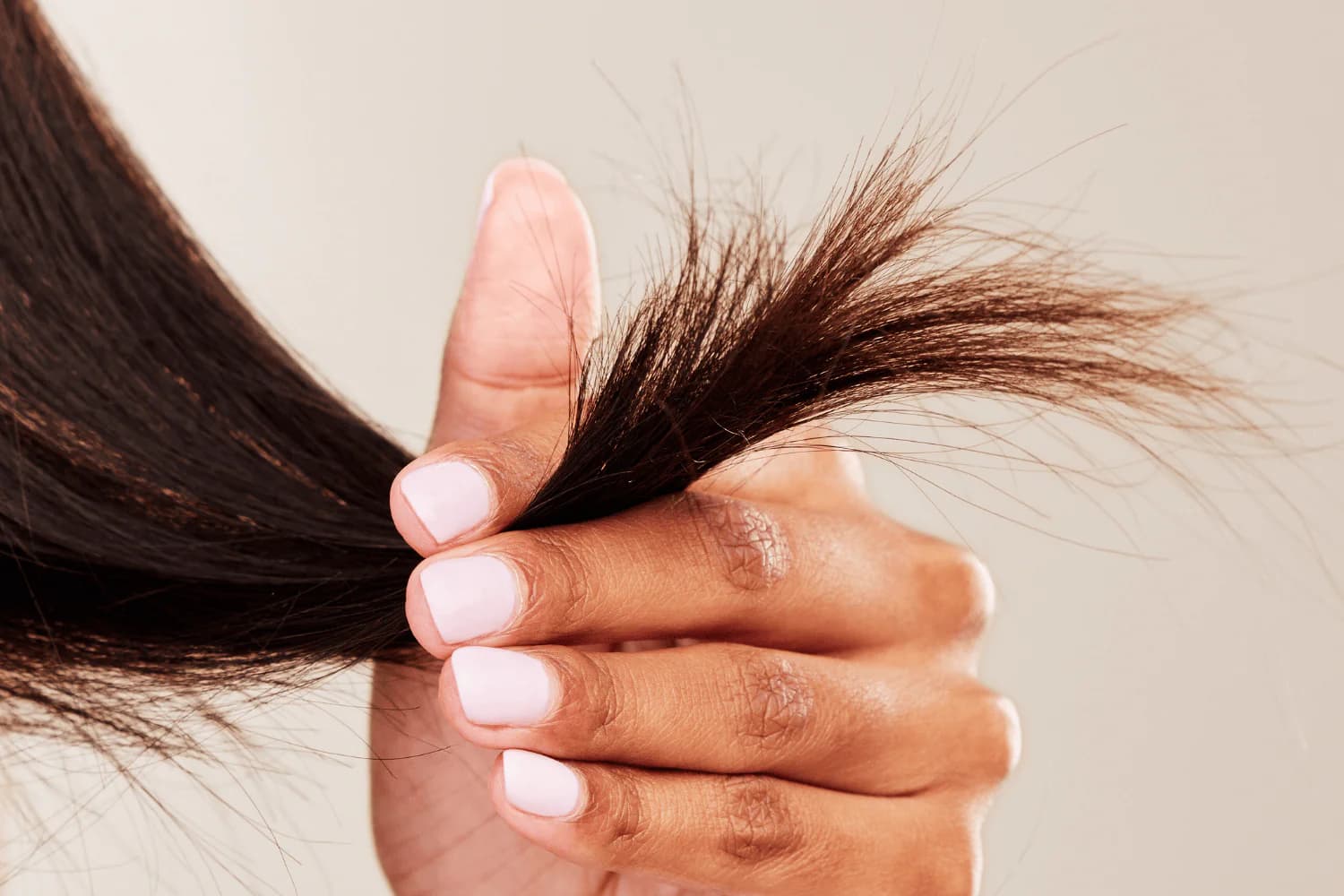
Split Ends and Fraying: The ends of your hair look split, white-tipped, or frayed.
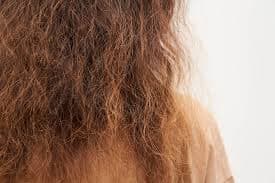
Extreme Dryness and Rough Texture: Hair feels brittle, straw-like, and lacks natural oil.
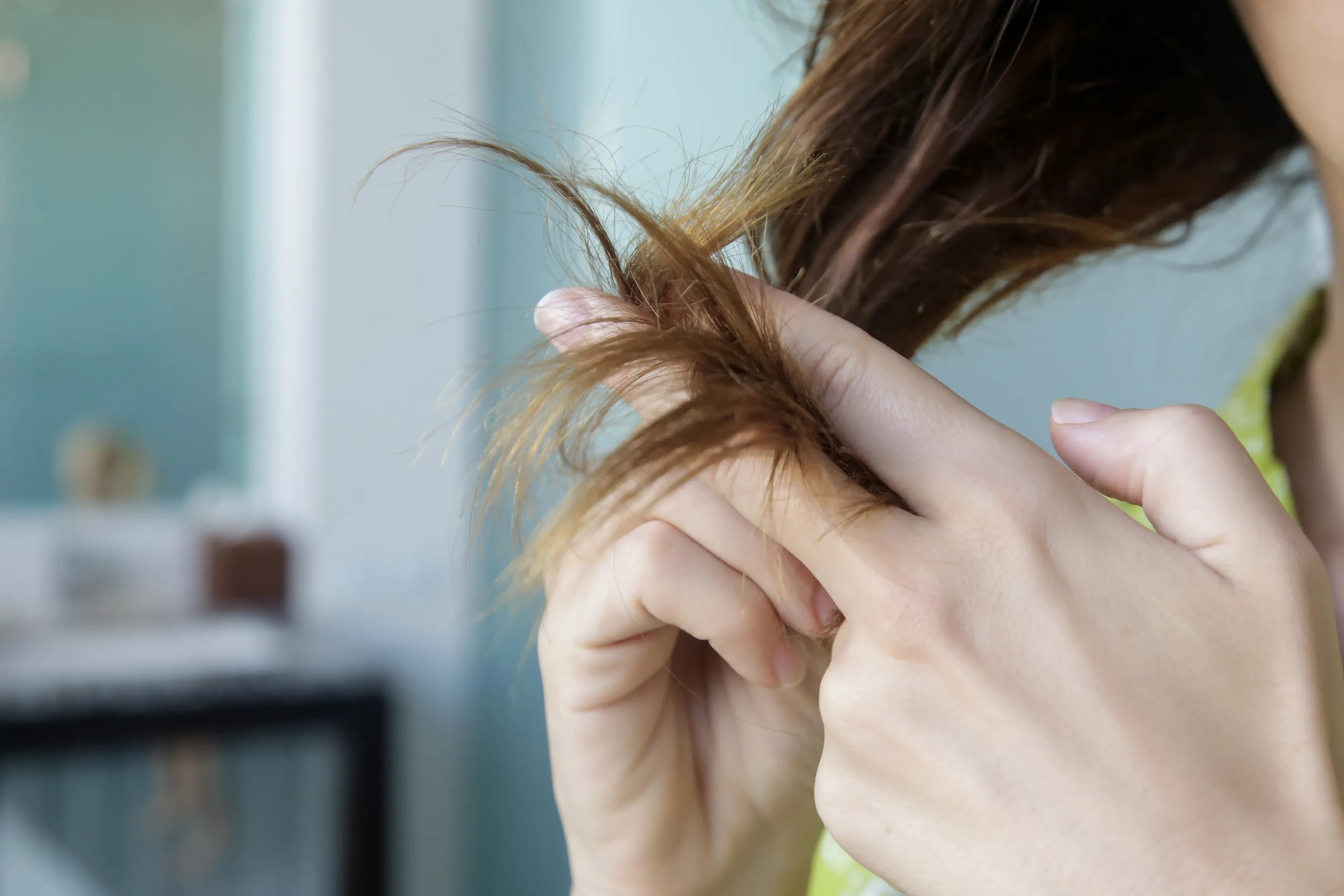
Excessive Breakage and Shedding: Hair breaks easily during styling, with noticeably shorter, broken strands.
Understanding the underlying causes helps doctors diagnose conditions accurately and choose the most effective treatment.
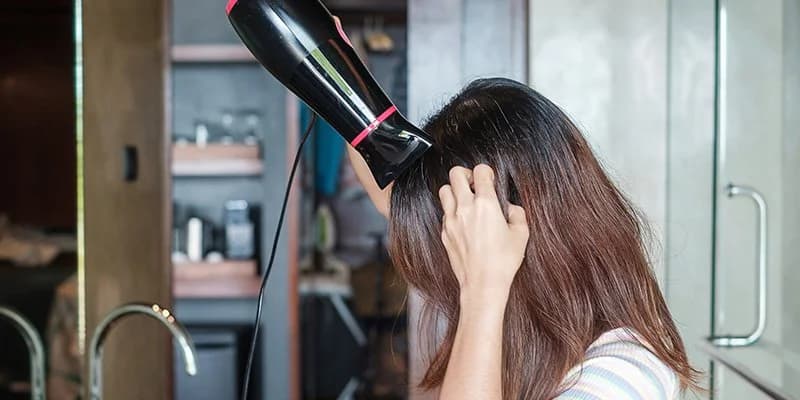
Heat Styling: Frequent use of blow dryers, curling irons, and straighteners strips moisture and weakens the cuticle.
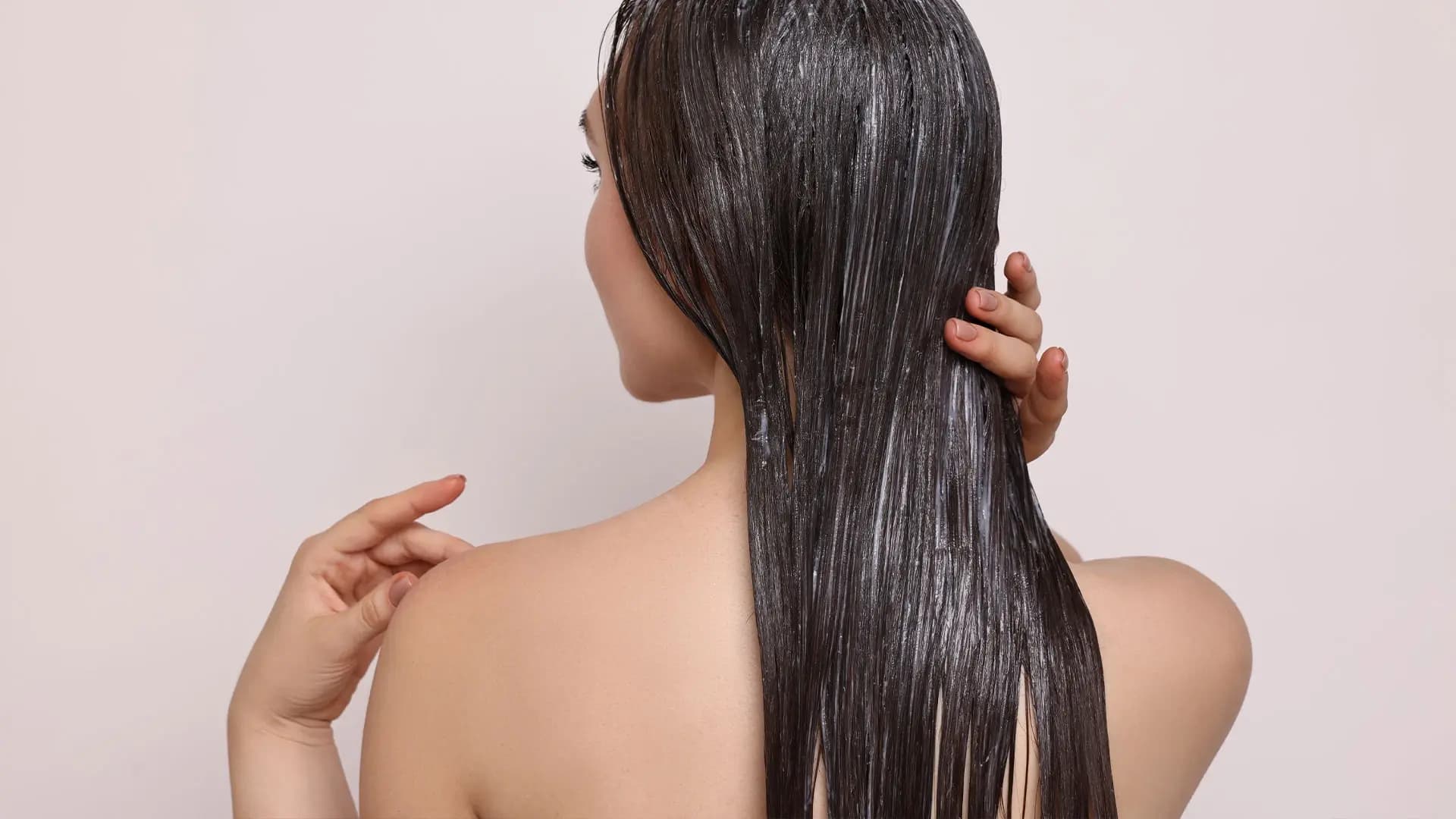
Chemical Treatments: Bleaching, coloring, perming, and relaxing break down protein bonds in the hair, causing damage and reduced elasticity.
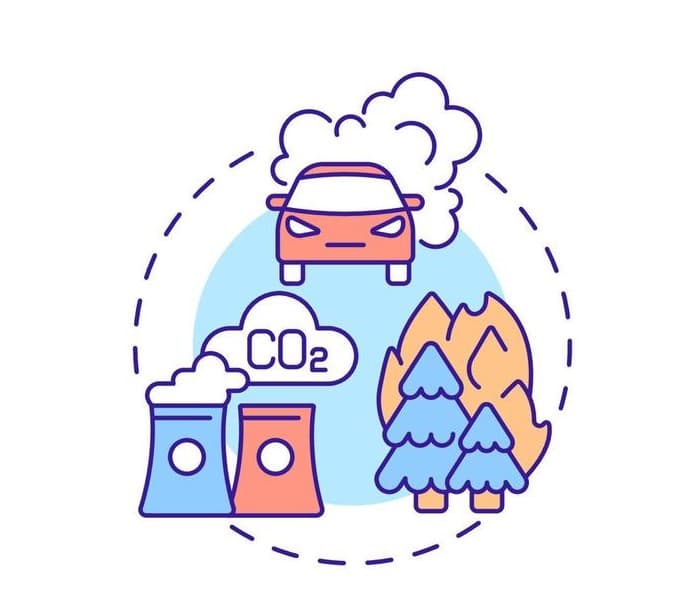
Exposure to the sun (UV rays), wind, humidity, and pollution, as well as pool chlorine, can damage the hair shaft and strip natural oils.
Certain lifestyle habits, health conditions, or environmental factors may increase the likelihood of developing this condition.
Lack of essential nutrients like iron, protein, vitamin D, and zinc, or excessive raw egg white consumption (biotin deficiency), can lead to hair loss.
Family history of pattern baldness (androgenetic alopecia) is the most common cause,
Risks increasing with age, particularly after 50.
Important highlights and key medical insights about this condition.
Use a wide-tooth comb on wet hair to reduce stretching.
Use a silk or satin pillowcase to reduce friction while sleeping.
Limit heat styling to 2–3 times a week maximum.
Wash with lukewarm or cool water rather than hot water.
Learn more about this speciality and how our experts help you achieve better health outcomes.
Hair damage affects individuals of all ages, genders, and ethnicities, often caused by heat styling, chemical treatments (coloring/perms), and environmental stress.
Connect with experienced doctors who specialize in treating this condition and receive professional medical guidance.
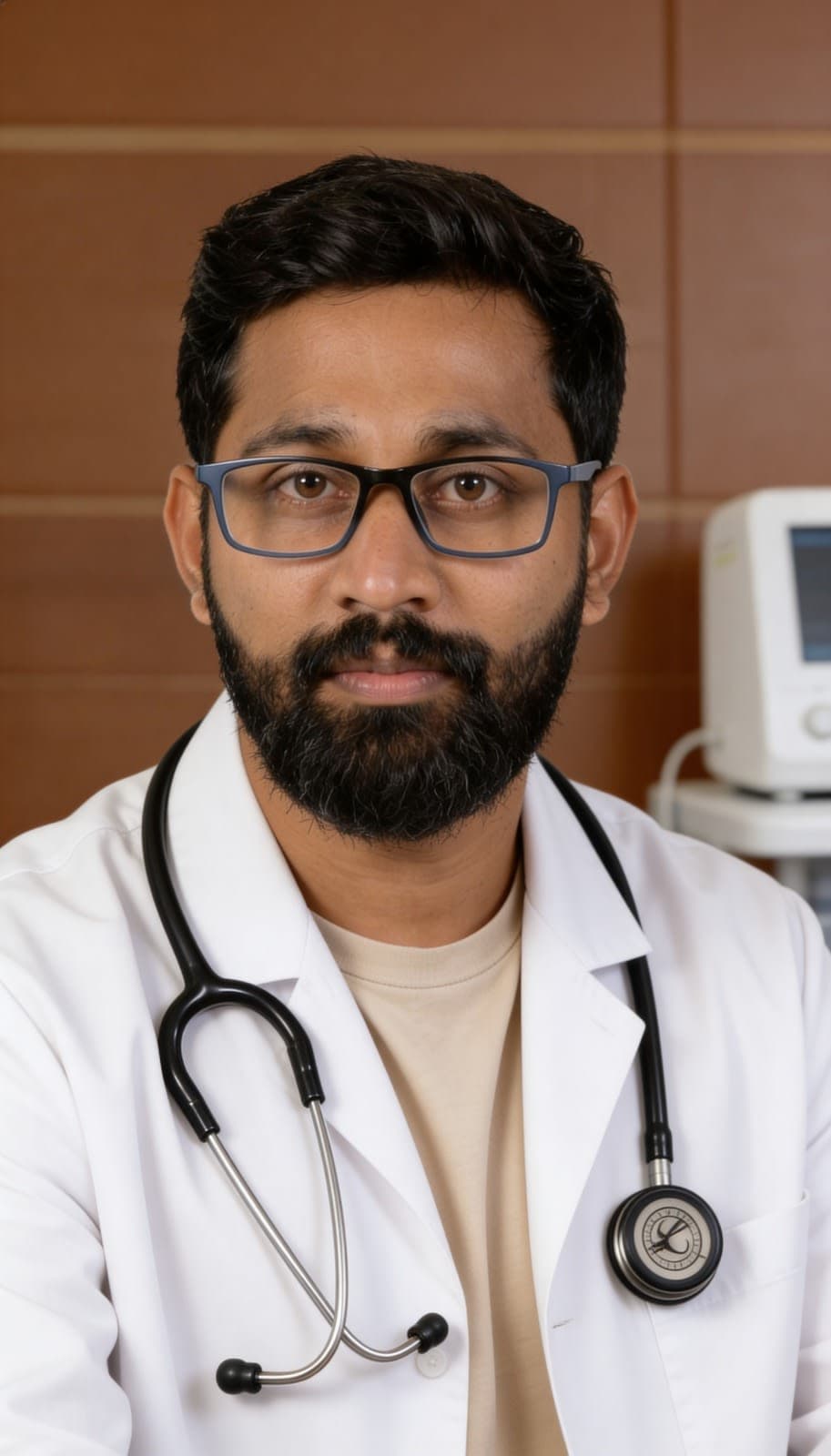
Qualifications: BHMS.(FMHMC), MSc Psychology and Counselling, PG Diploma in Guidance and Counselling, Diploma Interactive Drawing Therapy (IDT), Cognitive Behavioural Therapy (CBT), De‑addiction Training (NIMHANS).
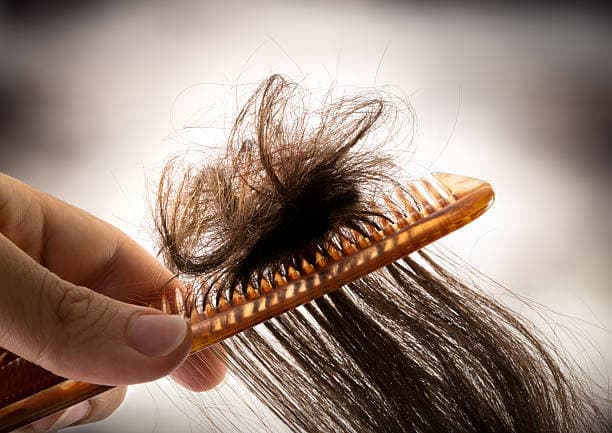
Frequent, difficult-to-manage tangles
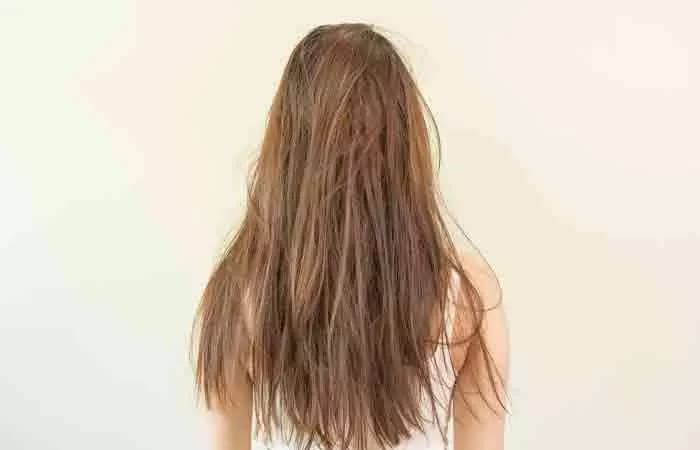
Dullness and Lack of Shine: Hair looks flat and lifeless.
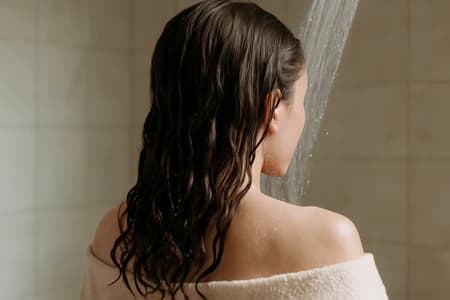
Increased Porosity: Hair absorbs water instantly but dries very quickly.
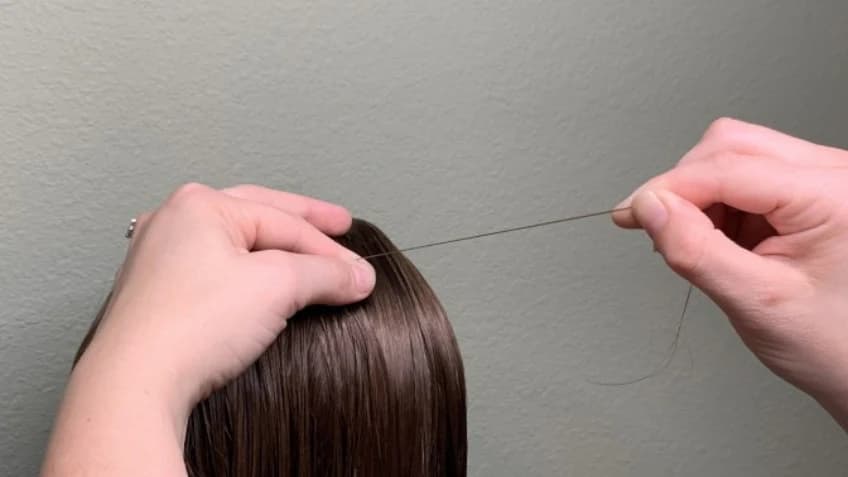
Loss of Elasticity: Hair stretches and snaps rather than bouncing back when wet.
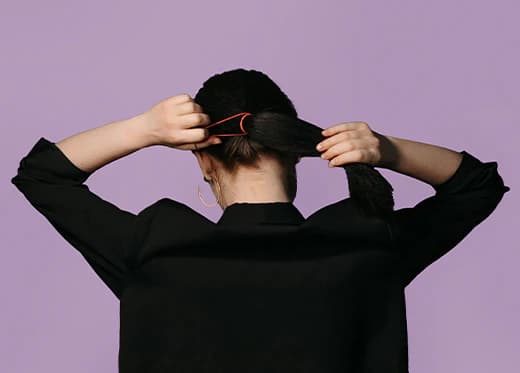
Vigorous brushing, using hair ties, wearing tight hairstyles (ponytails, braids), and rough towel-drying cause breakage.
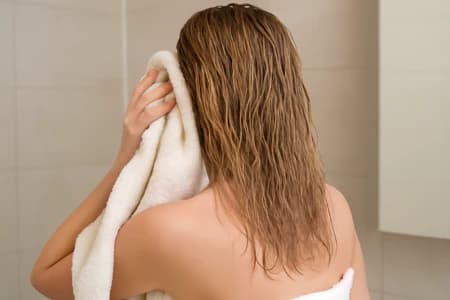
Over-washing with hot water or using products with harsh sulphates can dry out hair, while hard water causes mineral buildup.

Nutritional deficiencies (lack of protein/vitamins), high stress levels, and hormonal changes can impact hair health from within.
Hormonal Imbalances: Changes during pregnancy, childbirth, menopause, or conditions like PCOS can cause significant, often temporary, hair loss.
Autoimmune diseases (alopecia areata), scalp infections (e.g., ringworm), thyroid disorders (hypo/hyperthyroidism), and chronic illnesses.
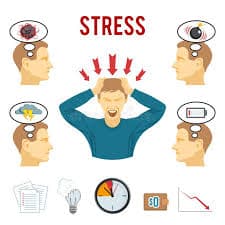
Physical or emotional stress (e.g., surgery, intense grief, rapid weight loss) can trigger telogen effluvium, causing widespread shedding.
Drugs for cancer (chemotherapy), arthritis, depression, heart problems, and high blood pressure.
Hair Care Practices: Overuse of heating tools, tight hairstyles (traction alopecia), and harsh chemical treatments can damage and break hair.
Timeframe: Repairing damage and restoring hair health takes time, often ranging from 6 to 12 months.
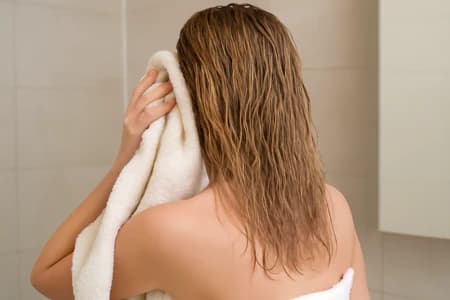
Gentle Drying: Avoid rubbing hair with a towel; use a microfiber towel to gently squeeze out water.
Qualifications: BHMS
Qualifications: BHMS (Homeo), MSc Psychology, PG Diploma in Guidance & Counselling, Diploma in Nutrition and Health Education, Bachelor of Health Science Public Health (Canada), Certified Public Health Inspector of Canada.