Loading...
Loading...
Loading...
Dandruff is a common, non-contagious scalp condition where skin cells shed rapidly, causing visible white or yellowish flakes, itching, and irritation.
Dandruff is a common, non-contagious scalp condition characterized by itchy, flaky skin on the scalp, which often sheds onto the shoulders.
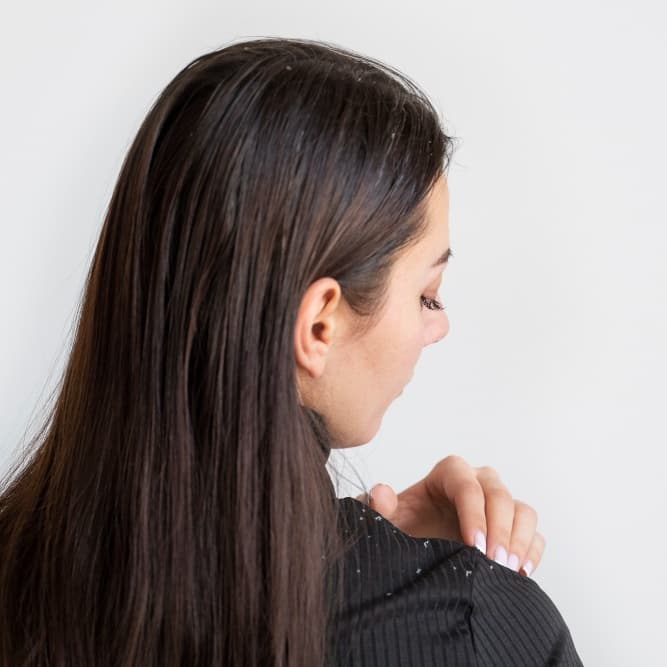
Homeopathy approaches dandruff as a symptom of internal imbalance—such as weak immunity, nutritional deficiencies, or hormonal fluctuations—rather than just a superficial scalp issue. By using natural, individualized remedies to target these root causes, homeopathy aims to provide long-term, non-toxic relief from flaking, itching, and oiliness.
Recognizing early symptoms can help identify health issues sooner and ensure timely medical care.
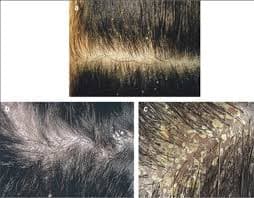
Visible Flakes: White or yellowish, dry or greasy flakes on the scalp, hair, and clothing.
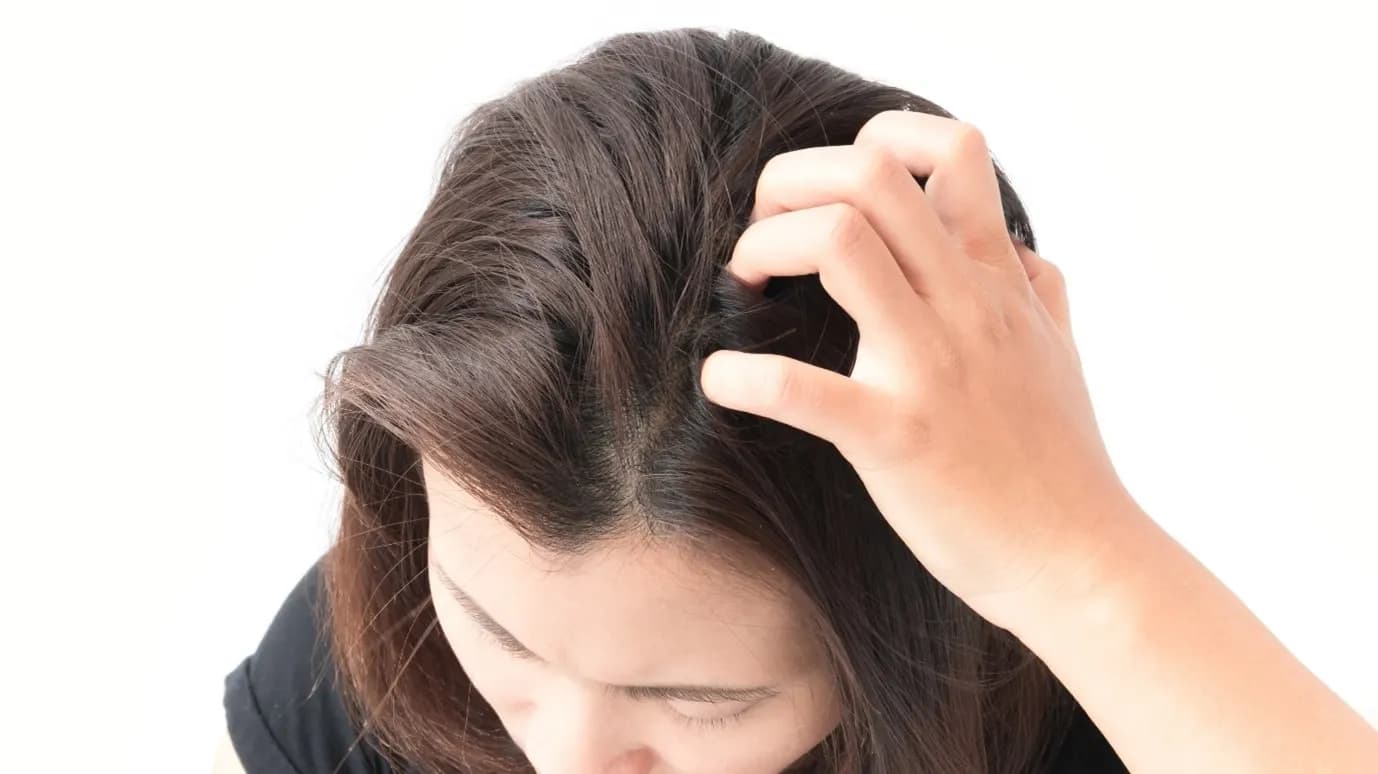
A persistent, often intense, itching sensation.
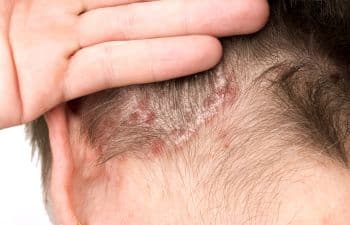
Red, inflamed, or greasy patches on the skin.
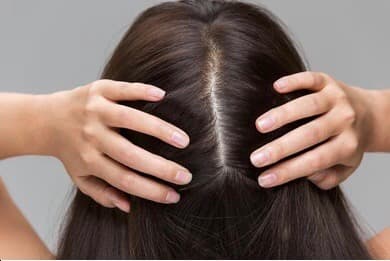
Understanding the underlying causes helps doctors diagnose conditions accurately and choose the most effective treatment.
Malassezia Fungus: This naturally occurring fungus lives on the scalps of most adults. If it overgrows, it triggers inflammation and excessive skin shedding.
Seborrheic Dermatitis (Oily Skin): An overly active, greasy scalp is a major cause. The oiliness mixes with dead skin cells, creating a perfect environment for yeast.
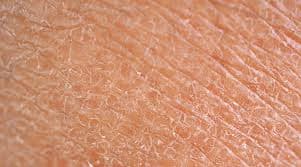
Conversely, a dry, dehydrated scalp can flake. These flakes are usually smaller and less oily than dandruff caused by oily skin.
Certain lifestyle habits, health conditions, or environmental factors may increase the likelihood of developing this condition.
Malassezia Yeast Overgrowth: A naturally occurring fungus that feeds on scalp oils, increasing in warm, oily conditions.
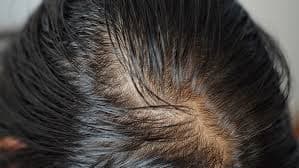
Oily Scalp (Seborrhea): Excess sebum provides more food for yeast.
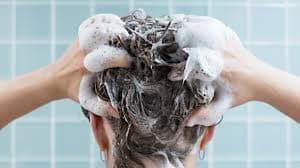
Infrequent Shampooing: Allows oil and dead skin cells to build up, worsening flaking.
Important highlights and key medical insights about this condition.
Causes: The primary cause is an overgrowth of Malassezia yeast, which thrives on oily skin, causing irritation and faster cell turnover.
Common Factors: It often begins at puberty, is more common in males, and tends to decrease after age 50.
There are two types: dry dandruff (caused by dry scalp/fungal infection) and oily/greasy dandruff (associated with excess sebum).
Misconceptions: It is not caused by poor hygiene, but by a combination of skin sensitivity, hormones, and environmental factors.
Learn more about this speciality and how our experts help you achieve better health outcomes.
Dandruff affects nearly 50% of the global adult population, with higher prevalence in males and onset typically beginning at puberty. While it becomes less common after age 50, it can affect people of all ages, ethnicities, and skin types. It is also very common in babies (cradle cap)
If the dandruff persists for over a month despite using over-the-counter medicated shampoos, or if you experience severe itching, pain, swelling, or redness on the scalp.
Connect with experienced doctors who specialize in treating this condition and receive professional medical guidance.
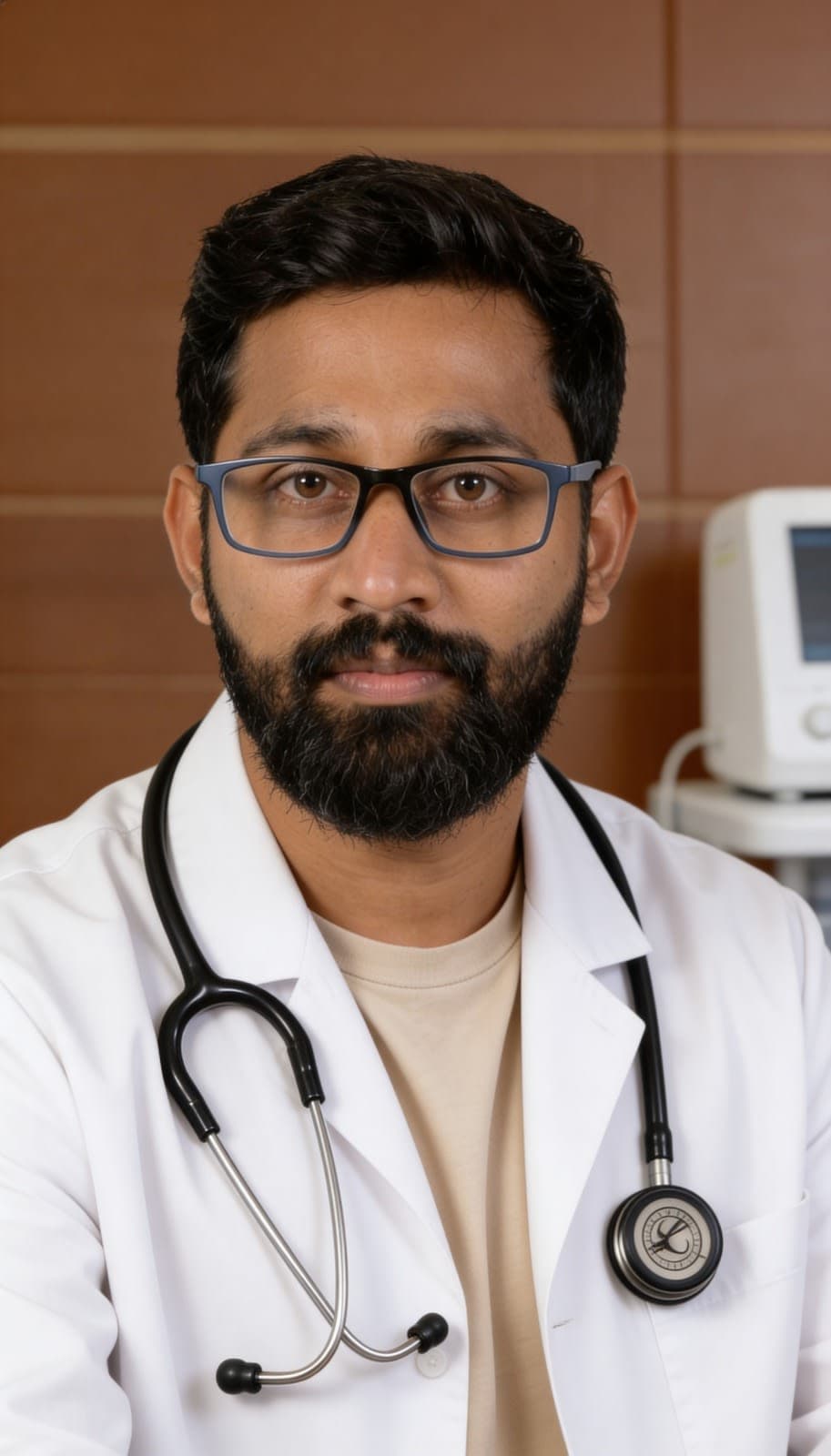
Qualifications: BHMS.(FMHMC), MSc Psychology and Counselling, PG Diploma in Guidance and Counselling, Diploma Interactive Drawing Therapy (IDT), Cognitive Behavioural Therapy (CBT), De‑addiction Training (NIMHANS).
Soreness: The scalp may feel tight, sensitive, or tender.
Severe Cases (Seborrheic Dermatitis): Thick, yellow-crusted scales, and symptoms appearing on eyebrows, in the ears, or around the nose
Sensitivity to Products : Shampoos, styling products, or hair dyes can cause an allergic reaction, resulting in a red, itchy, and flaking scalp
Conditions like eczema and psoriasis can lead to intense dandruff.

Stress and Poor Nutrition: These factors can weaken the immune system and increase inflammation, worsening scalp health.
Weakens the immune system and can worsen scalp inflammation.
Cold, Dry Weather: Winter months often increase dry skin flaking.
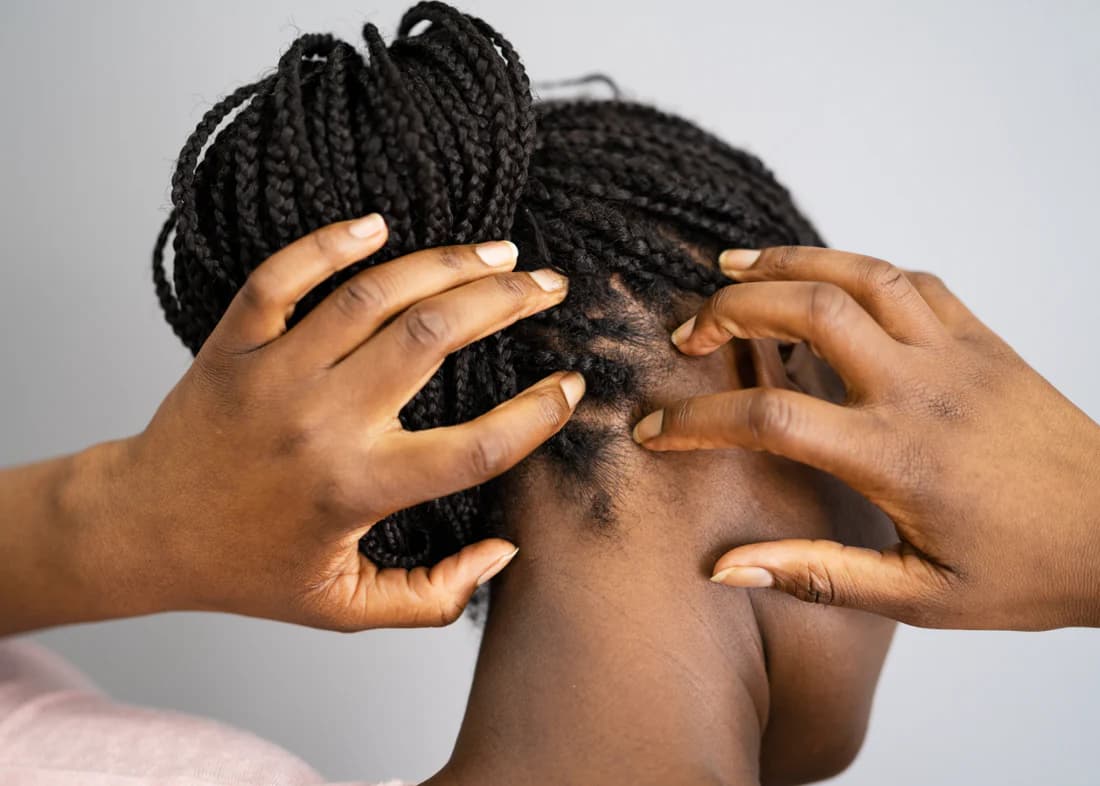
Harsh shampoos, dyes, or styling products can cause contact dermatitis, leading to irritation and flakes.
Conditions like seborrheic dermatitis (severe dandruff), eczema, or psoriasis.

Lack of certain vitamins (e.g., B vitamins, zinc) can impact scalp health
Not Hair Loss: While the itching can cause temporary shedding, dandruff itself does not cause permanent hair loss
Management: Regular washing of hair, reducing styling products, and using appropriate shampoos
Qualifications: BHMS

Qualifications: BHMS (Homeo), MSc Psychology, PG Diploma in Guidance & Counselling, Diploma in Nutrition and Health Education, Bachelor of Health Science Public Health (Canada), Certified Public Health Inspector of Canada.