
Loading...
Loading...
Loading...
Alopecia areata is an autoimmune condition that causes sudden, patchy hair loss on the scalp, face, or other parts of the body. The immune system mistakenly attacks hair follicles, leading to hair falling out in small, round patches.
Alopecia areata is essentially a disorder where the body’s immune system targets healthy hair follicles, disrupting their normal growth cycle. This results in hair loss that can range from small patches to complete baldness (alopecia totalis) or even loss of all body hair (alopecia universalis). The condition is unpredictable, with periods of hair loss and regrowth, and is considered a chronic autoimmune disease.
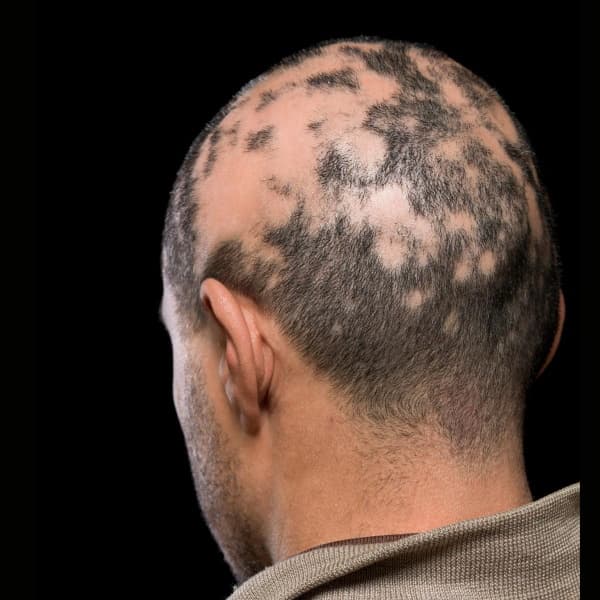
Homeopathy treats Alopecia Areata by addressing the underlying autoimmune dysfunction, reducing stress, and correcting hormonal imbalances to stop hair loss and stimulate regrowth. It uses personalized remedies to target the root cause rather than just symptoms, offering a safe, long-term solution without the side effects of conventional treatments.
Important highlights and key medical insights about this condition.
Alopecia areata is an autoimmune disorder where the body attacks hair follicles.
It causes patchy hair loss, often on the scalp, beard, or eyebrows.
The condition can progress to alopecia totalis or universalis in severe cases.
It affects men, women, and children equally, often starting before age 30.
Emotional stress and genetics can trigger or worsen the condition.
Learn more about this speciality and how our experts help you achieve better health outcomes.
Alopecia areata can affect men, women, and children of all ages, though it often begins in childhood or early adulthood. People with a family history of autoimmune diseases such as thyroid disorders, vitiligo, or type 1 diabetes are at higher risk. It affects both genders equally and occurs across all ethnic groups. Emotional stress and genetic predisposition are known to play a role in triggering or worsening the condition.
Medical consultation is recommended if you notice sudden, patchy hair loss, thinning of hair, or changes in nail texture (such as pitting or ridges). A doctor can help confirm the diagnosis, rule out other causes of hair loss, and suggest treatment options such as corticosteroids, immunotherapy, or lifestyle adjustments. Since alopecia areata is linked to autoimmune activity, monitoring for other related conditions may also be necessary.
Connect with experienced doctors who specialize in treating this condition and receive professional medical guidance.

Qualifications: BHMS.(FMHMC), MSc Psychology and Counselling, PG Diploma in Guidance and Counselling, Diploma Interactive Drawing Therapy (IDT), Cognitive Behavioural Therapy (CBT), De‑addiction Training (NIMHANS).

Qualifications: BHMS