
Loading...
Loading...
Loading...
Peptic ulcers are painful sores in the stomach or duodenum lining, commonly causing burning, gnawing, or dull abdominal pain, often between the breastbone and navel.
Peptic ulcer is an open sore or raw, inflamed patch that develops on the inner lining of the stomach (gastric ulcer) or the upper small intestine (duodenal ulcer)
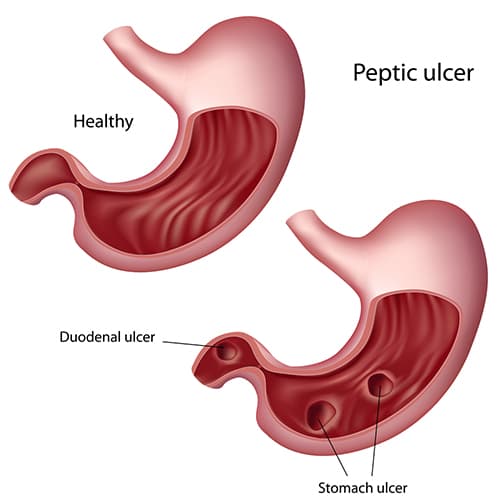
Homeopathic treatment of Peptic ulcer is aiming to stimulate the body's self-healing abilities and address underlying imbalances rather than solely targeting the ulcer itself.
Recognizing early symptoms can help identify health issues sooner and ensure timely medical care.

Burning Abdominal Pain: The most common symptom, often felt in the upper abdomen, which may be temporarily relieved by food or antacids.

A general feeling of discomfort, often described as a burning or gnawing sensation.
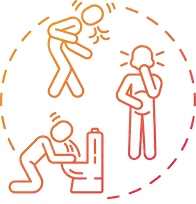
A common, often persistent, symptom.
Understanding the underlying causes helps doctors diagnose conditions accurately and choose the most effective treatment.

Alcohol: Causes irritation and thinning of the stomach's inner lining

H. Pylori Bacteria: This is the most common cause, causing chronic inflammation and damaging the protective lining of the stomach and duodenum.

NSAID Use: Regular, long-term use of pain relievers (aspirin, ibuprofen, naproxen, Advil, Aleve) inhibits the chemicals that protect the stomach lining.
Certain lifestyle habits, health conditions, or environmental factors may increase the likelihood of developing this condition.

H. pylori Infection: The most common cause, a bacterial infection that damages the protective mucus layer

Alcohol Consumption: Heavy or excessive drinking irritates and erodes the stomach lining.

Smoking: Increases risk, particularly in those with H. Pylori, and impairs healing.
Important highlights and key medical insights about this condition.
Top Symptoms: The most common sign is a burning or gnawing feeling in the upper abdomen, often worse when the stomach is empty.
Myths: Spicy food and stress do not cause ulcers, although they can make them worse.
Complications: Left untreated, ulcers can cause severe bleeding, perforation (hole in the stomach wall), and blockage of the digestive tract.
Prevention: Avoid regular NSAID use, stop smoking, and avoid alcohol.
Learn more about this speciality and how our experts help you achieve better health outcomes.
Most commonly affect middle-aged adults, particularly those with H. pylori infections, regular NSAID users (ibuprofen, aspirin), smokers, and individuals over 60
If you experience severe abdominal pain, vomit blood (or material resembling coffee grounds), or have black/tarry stools.
Connect with experienced doctors who specialize in treating this condition and receive professional medical guidance.

Qualifications: BHMS , BHS(Public Health ,Canada)

A feeling of tightness or gas in the stomach area.

Feeling Full Quickly: A sensation of being uncomfortably full after eating a small amount of food.

In some cases, caused by reduced appetite or fear of eating.

Zollinger-Ellison Syndrome: A rare condition that causes tumors to produce excessive stomach acid

Increases the risk of ulcer development, especially in those with H. Pylori
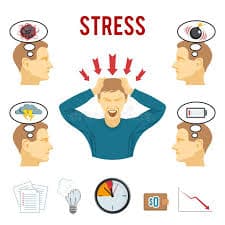
While not a direct cause, severe physiological stress (such as from major trauma or surgery) can lead to "stress ulcers"

Risk increases with age.

poor hygiene.

NSAID Use: Regular or long-term use of anti-inflammatory drugs (e.g., ibuprofen, naproxen, aspirin) inhibits protective prostaglandins. Corticosteroids, bisphosphonates, and certain anticoagulants.

Conditions causing hypersecretory states (e.g., Zollinger-Ellison syndrome), Crohn's disease, or chronic stress.
Diagnosis: Diagnosed via endoscopy or breath/stool tests.
Seek emergency care if you experience sharp, sudden, and severe abdominal pain, black/bloody stools, or vomit that looks like coffee grounds.

Qualifications: BHMS.(FMHMC), MSc Psychology and Counselling, PG Diploma in Guidance and Counselling, Diploma Interactive Drawing Therapy (IDT), Cognitive Behavioural Therapy (CBT), De‑addiction Training (NIMHANS).

Qualifications: BHMS