
Loading...
Loading...
Loading...
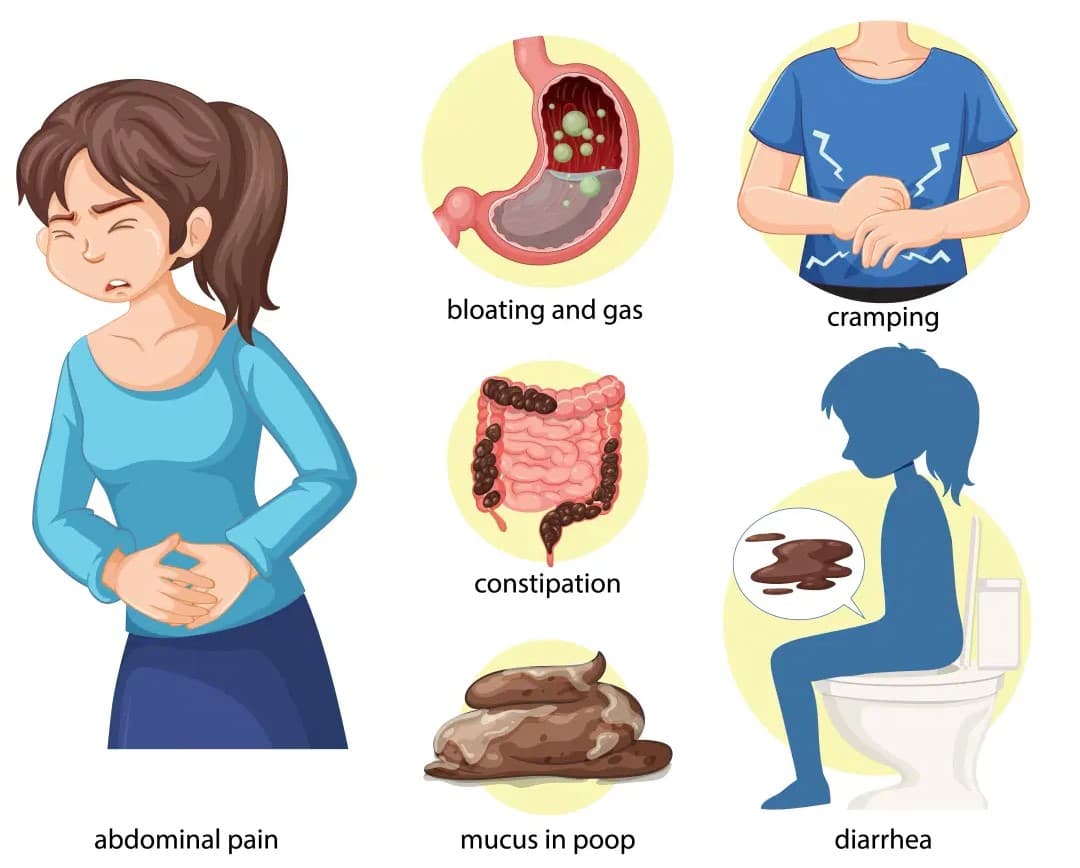
IBS (Irritable bowel syndrome) is a common, long-term functional disorder of the gastrointestinal tract characterized by chronic abdominal pain, bloating, and altered bowel habits (diarrhea, constipation, or both) without visible damage to the digestive tract
Irritable Bowel Syndrome (IBS) is a common, chronic functional disorder of the large intestine that causes recurrent abdominal pain, cramping, bloating, and changes in bowel habits (diarrhea, constipation, or both.
Homeopathy aims to treat IBS by using highly diluted substances selected based on an individual's specific symptoms, constitution, and emotional state rather than a one-size-fits-all approach. Homeopathic treatment can improve the overall quality of life and reduce symptom severity. It is essential to consult a qualified homeopathic practitioner for a proper, individualized remedy, rather than self-treating.
Recognizing early symptoms can help identify health issues sooner and ensure timely medical care.
Often in the lower abdomen, usually appearing or worsening after meals.
A feeling of fullness, swelling, and excessive flatulence.
Changes in bowel habits can include diarrhea, constipation, or alternating between both.

A sudden, uncontrollable need to use the bathroom.

Mucus in the stool or a feeling of incomplete evacuation.

Fatigue, backache, and sometimes urinary issues.
Understanding the underlying causes helps doctors diagnose conditions accurately and choose the most effective treatment.
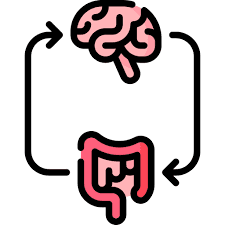
Gut-Brain Axis Disruption: Miscommunication between the brain and nerves in the gut can lead to exaggerated responses to normal digestion, such as spasms or pain.

Post-Infectious Changes: IBS can develop after a severe gastrointestinal bacterial or parasitic infection.
Gut Bacteria Imbalance (Dysbiosis): Alterations in the gut microbiota, including Small Intestinal Bacterial Overgrowth (SIBO), are linked to symptoms.
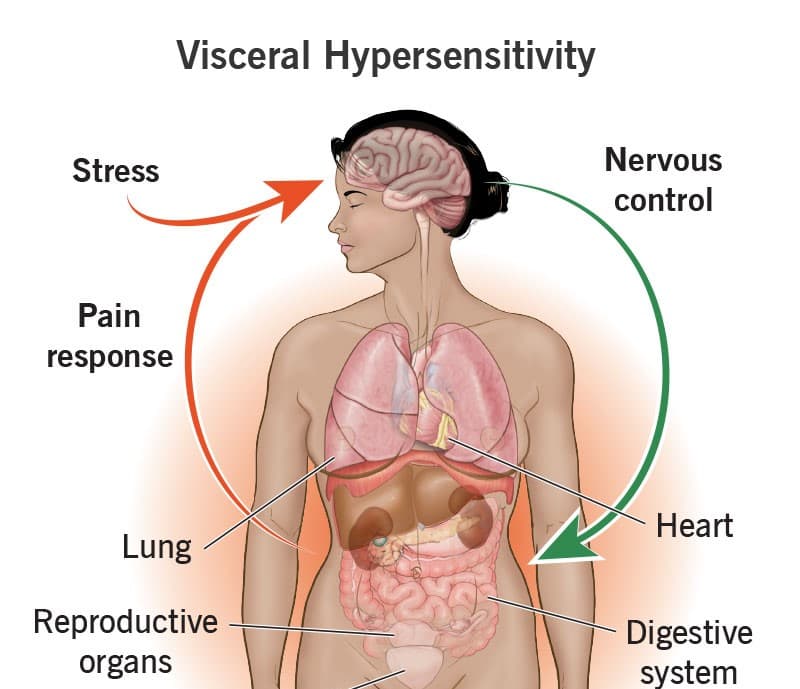
Nerves in the digestive tract are overly sensitive, causing pain to normal amounts of gas or stretching.

Weak or strong muscle contractions in the intestines can cause constipation or diarrhea.
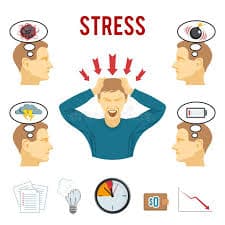
High stress, anxiety, depression, or history of childhood trauma can trigger or exacerbate symptoms.

Dairy, wheat (gluten), fatty foods, artificial sweeteners, and high-fructose foods.

Caffeine and alcohol.
Certain lifestyle habits, health conditions, or environmental factors may increase the likelihood of developing this condition.

Younger age (under 50) and being female are the most common risk factors. A family history of IBS can increase susceptibility.
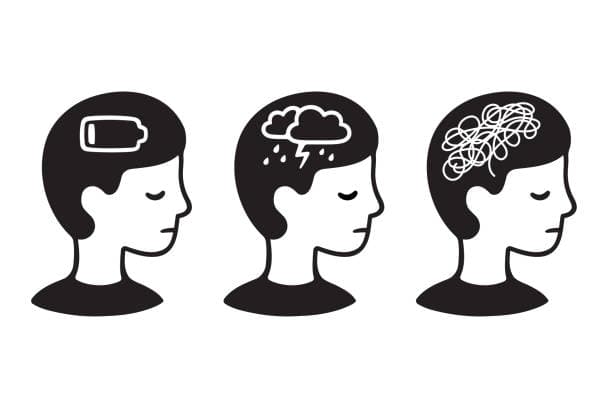
Anxiety, depression, or a history of abuse (physical, emotional, or sexual) are strongly associated with developing IBS. Stress does not cause it but is a major trigger for symptom flare-ups.
A severe gastrointestinal infection (gastroenteritis) can lead to post-infectious IBS. Altered gut bacteria and hormonal changes, particularly during menstruation, also play a role.

Poor sleep habits

Low water intake, and diets high in gas-producing foods (beans, cabbage), lactose, and artificial sweeteners can trigger or exacerbate symptoms.

Frequent use of antibiotics can alter gut flora and trigger symptoms.
Important highlights and key medical insights about this condition.
Trigger Factors: Stress, anxiety, certain foods (high-fat, dairy, caffeine), and severe gut infections.
Types: IBS-D (diarrhea-predominant), IBS-C (constipation-predominant), or IBS-M (mixed).
Diagnosis: Based on symptoms (no specific lab test), usually confirmed when other conditions are ruled out.
Management: Diet changes, stress management, and medication for specific symptoms.
Causes: Unknown, but likely due to oversensitive gut nerves and abnormal muscle contractions.
Outlook: It is a chronic condition that does not affect longevity or increase the risk of cance
Learn more about this speciality and how our experts help you achieve better health outcomes.
It can affect individuals of any age, gender, or background, women are diagnosed with IBS roughly twice as often as men. IBS most commonly develops in individuals under the age of 50, with many first noticing symptoms in their late teens to early 40s. It is less likely for symptoms to first appear after age 50. Individuals with a biological relative who has IBS are at a higher risk
Connect with experienced doctors who specialize in treating this condition and receive professional medical guidance.

Qualifications: BHMS , BHS(Public Health ,Canada)

Qualifications: BHMS.(FMHMC), MSc Psychology and Counselling, PG Diploma in Guidance and Counselling, Diploma Interactive Drawing Therapy (IDT), Cognitive Behavioural Therapy (CBT), De‑addiction Training (NIMHANS).

Qualifications: BHMS