
Loading...
Loading...
Loading...
Gastritis is inflammation in the soft mucous lining of stomach.
Gastritis is the inflammation, irritation, or erosion of the protective stomach lining (mucosa). It causes symptoms like upper abdominal pain, nausea, vomiting, and bloating.
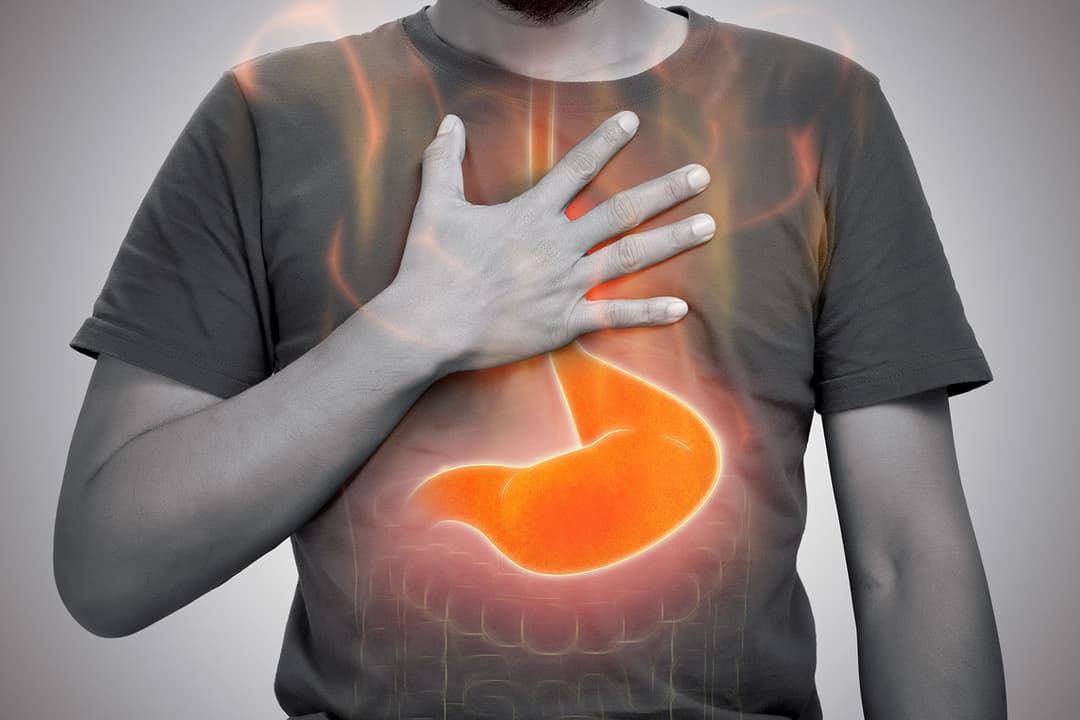
Homeopathy treatment of gastritis is aiming to reduce inflammation of the stomach lining, manage acute/chronic symptoms, and prevent relapses. It treats both physical symptoms (burning, nausea, bloating) and underlying causes, such as stress or unhealthy eating habits.
Recognizing early symptoms can help identify health issues sooner and ensure timely medical care.

Upper Abdominal Pain: Often described as a burning or gnawing sensation, frequently occurring in the epigastric area.

A very common, acute symptom.

Frequent, especially after eating.
Understanding the underlying causes helps doctors diagnose conditions accurately and choose the most effective treatment.

H. pylori infection: A bacterial infection that is a primary cause of chronic gastritis, often spread through contaminated food, water, or saliva.

NSAIDs/Painkillers: Long-term or frequent use of medications like ibuprofen, aspirin, or naproxen reduces protective substances in the stomach, causing erosive damage.

Excessive alcohol consumption irritates and erodes the lining.
Certain lifestyle habits, health conditions, or environmental factors may increase the likelihood of developing this condition.

H. pylori is a leading cause, often acquired in childhood due to poor living conditions.

Chronic use of NSAIDs (naproxen, ibuprofen) and corticosteroids irritates the stomach lining.

Excessive, regular alcohol consumption can erode the stomach lining.
Important highlights and key medical insights about this condition.
Acute: Sudden, short-term inflammation. Chronic: Slow-developing, long-lasting irritation. Erosive: Wears away the stomach lining, creating ulcers.
Risks & Complications: Left untreated, chronic gastritis can lead to stomach ulcers, bleeding, and, in rare cases, an increased risk of stomach cancer.
Diagnosis: Often diagnosed via endoscopy (a flexible tube with a camera), upper gastrointestinal series, or blood/stool tests for H. pylori.
Learn more about this speciality and how our experts help you achieve better health outcomes.
Gastritis affects individuals of all ages, often caused by Helicobacter pylori infection, regular use of NSAID pain relievers, heavy alcohol consumption, or high-stress, resulting in stomach lining inflammation. It is more common in older adults, with chronic forms often arising from long-term bacterial infections
If symptoms like stomach pain, nausea, or vomiting persist for more than a week, keep returning, or worsen despite self-care.
Connect with experienced doctors who specialize in treating this condition and receive professional medical guidance.

Qualifications: BHMS , BHS(Public Health ,Canada)

Frequent, especially after eating.

A feeling of fullness or a heavy stomach shortly after starting a meal.

Decreased interest in food.

Unintentional weight loss, often due to decreased food intake.

Smoking increases acid production, thus causes damage to the mucosal lining.

Severe, acute stress from major surgery, injury, burns, or severe infections can trigger "stress gastritis".
The immune system mistakenly attacks the cells that form the stomach lining.

Bile, which helps digest fats, flows backward from the small intestine into the stomach, causing irritation.

Bacterial/viral infections (e.g., cytomegalovirus, herpes), Crohn’s disease, and food allergies (eosinophilic gastritis) can also cause inflammation.

Severe, acute stress from major surgery, injury, burns, or infections.
Conditions where the immune system attacks stomach cells (e.g., Hashimoto’s disease, Type 1 diabetes).

Tobacco impairs blood flow to the stomach and increases H. pylori risk.

Ageing: As people age, the stomach lining naturally thins, making it more susceptible to damage.
Prevention & Management: Avoid long-term NSAID use, limit alcohol, reduce stress, and manage underlying autoimmune disorders.
Symptoms: Burning pain in the upper abdomen (epigastrium) that may feel better or worse after eating, nausea, vomiting, and a feeling of fullness.
Main Causes: The most common cause is infection with Helicobacter pylori (H. pylori) bacteria. Another major cause is the regular use of nonsteroidal anti-inflammatory drugs (NSAIDs) like ibuprofen or aspirin.

Qualifications: BHMS.(FMHMC), MSc Psychology and Counselling, PG Diploma in Guidance and Counselling, Diploma Interactive Drawing Therapy (IDT), Cognitive Behavioural Therapy (CBT), De‑addiction Training (NIMHANS).

Qualifications: BHMS