Loading...
Loading...
Loading...
Diarrhoea is the passing of loose, watery stools, usually caused by infections, food intolerances, or medication.
Diarrhea is defined as passing loose, watery stools three or more times a day, often accompanied by abdominal cramps, urgency, or nausea.

Homeopathy approaches diarrhea by selecting remedies based on the individual's specific symptoms, such as the character of the stool, accompanying pains, and mental state. It is often used to reduce the duration of acute diarrhea, particularly in children, by stimulating the body's defense mechanisms.
Recognizing early symptoms can help identify health issues sooner and ensure timely medical care.

Cramps, pain, and bloating.

Fever, nausea, vomiting, and loss of appetite.

Possible presence of mucus, blood, or pus.
Loose/Watery Stools: Frequent, urgent need to use the bathroom.
Understanding the underlying causes helps doctors diagnose conditions accurately and choose the most effective treatment.

Viral gastroenteritis ("stomach flu") is a common cause, along with bacterial or parasitic infections often from contaminated food or water.

Antibiotics (which disrupt gut flora), cancer drugs, and laxatives with magnesium are frequent culprits.
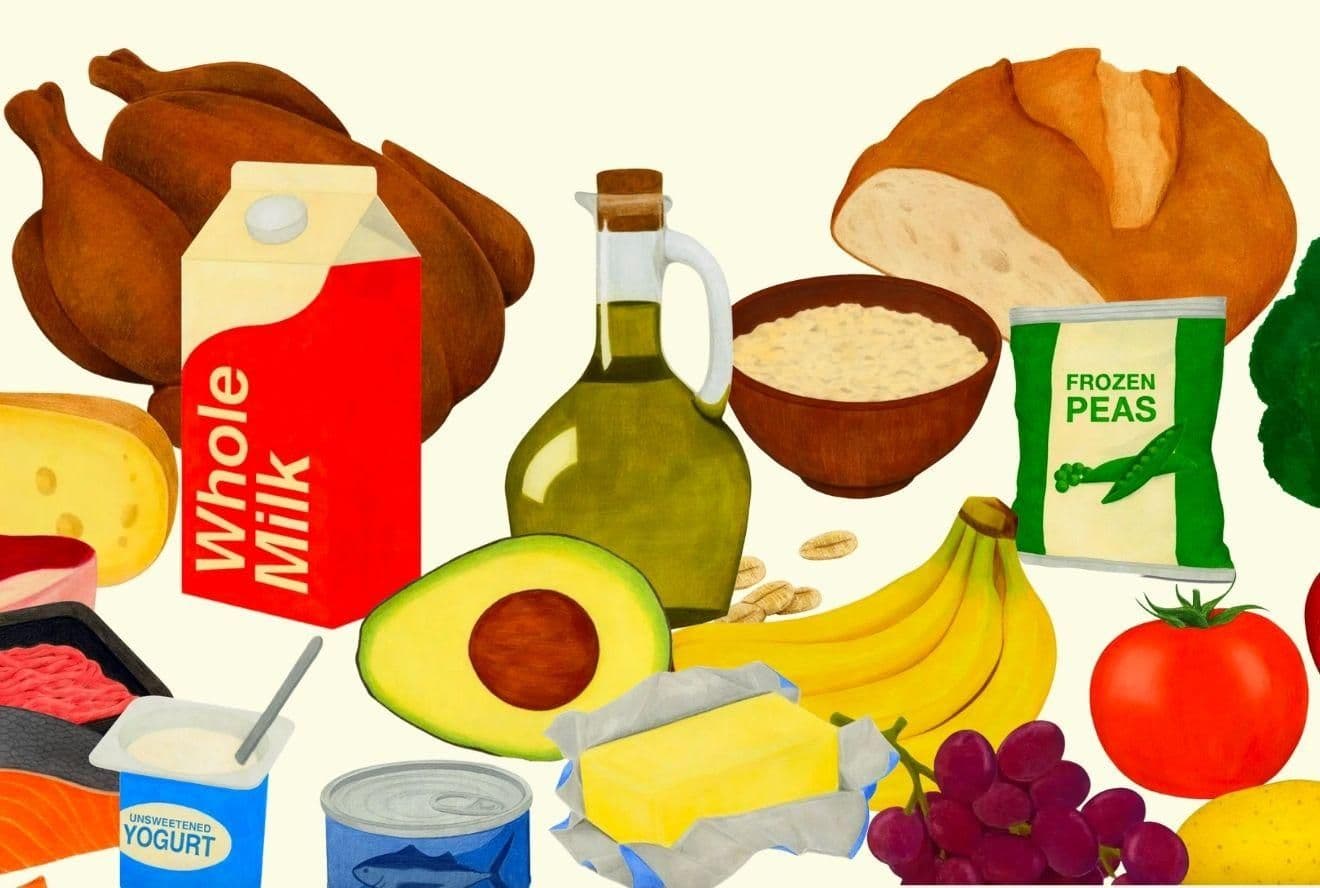
Food intolerances (e.g., lactose intolerance), artificial sweeteners (sorbitol, mannitol), or excessive caffeine/alcohol intake.

Irritable bowel syndrome (IBS), Inflammatory Bowel Disease (IBD) such as Crohn's disease or ulcerative colitis, and malabsorption syndromes.
Following gallbladder removal or abdominal surgery.
Certain lifestyle habits, health conditions, or environmental factors may increase the likelihood of developing this condition.

Drinking water from unsafe sources and eating food prepared in unhygienic conditions.

Poor Sanitation & Hygiene: Lack of proper sewage disposal, inadequate handwashing, and crowded, unhygienic living conditions.

Infants and young children (under 5 years) are at highest risk. Undernourished children have higher susceptibility. Individuals with weakened immune systems (e.g., from diseases or treatments).

Antibiotics (which alter gut flora), laxatives, and chemotherapy drugs.
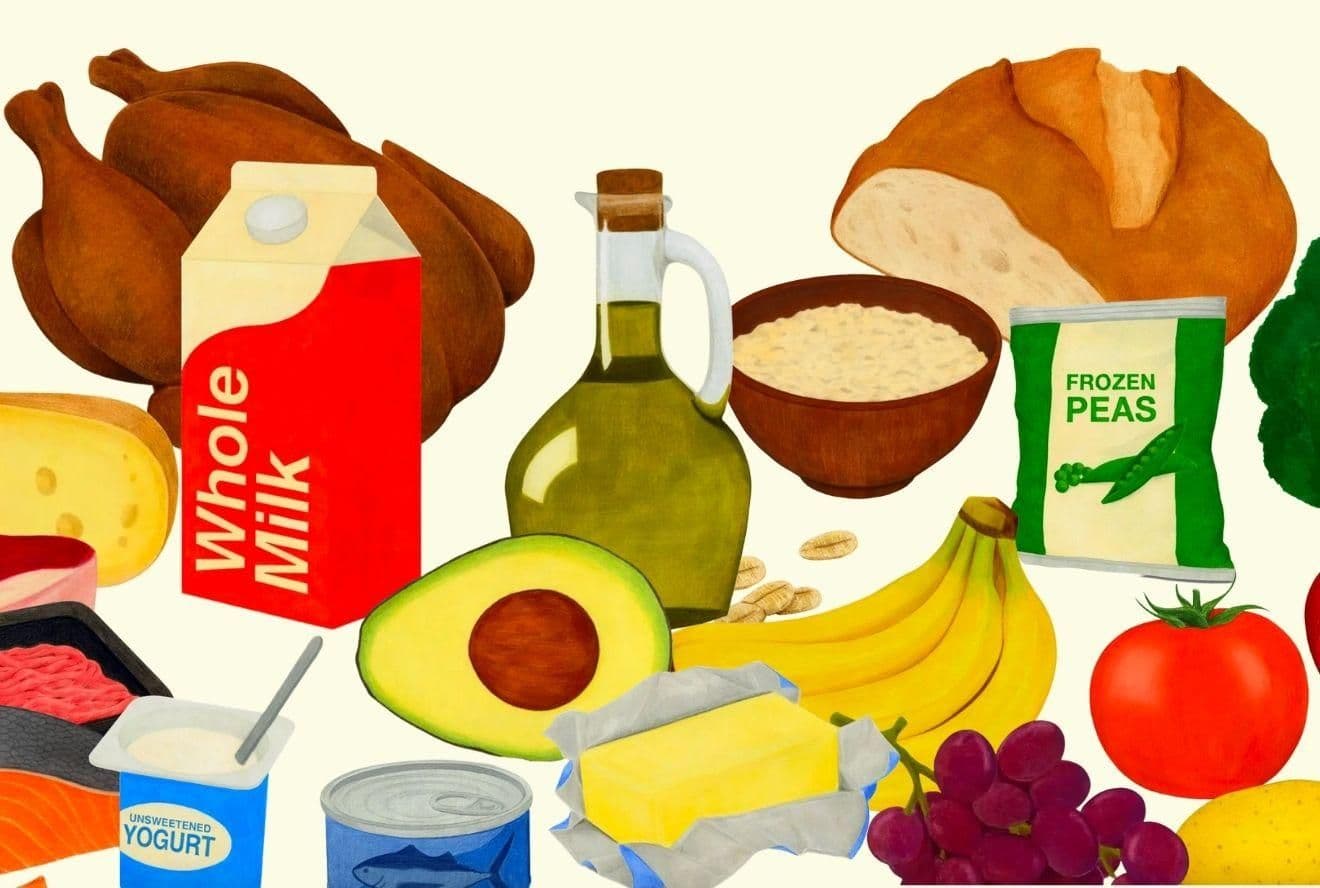
Food intolerances (e.g., lactose intolerance), allergies, and artificial sweeteners.

Irritable bowel syndrome (IBS), Crohn's disease, or other chronic digestive disorders.

Rotavirus (common in children) and Norovirus (common in adults). E. coli, Salmonella, Shigella, Campylobacter, and C. difficile.
Important highlights and key medical insights about this condition.
Global Impact: Diarrhoeal disease is the second leading cause of death in children under five years old.
Types: Acute (lasts a few hours/days), Persistent (lasts 2–4 weeks), and Chronic (lasts over 4 weeks).
Dehydration is the most dangerous complication, occurring as water and electrolytes are lost in stools.
Causes: Infections (bacterial, viral like Rotavirus, or parasitic), food intolerances (lactose), medications, and diseases (IBS, Crohn’s).
Prevention: Handwashing with soap, safe drinking water, proper sanitation, and rotavirus vaccination.
Dehydration signs: Thirst, dry mouth, little to no urine, dizziness, and fatigue.
Learn more about this speciality and how our experts help you achieve better health outcomes.
Diarrhoea affects people of all ages worldwide, but is deadliest for children under 5. , but is deadliest for children under 5 (roughly 443,832 deaths annually) and causes 1.7 billion cases of childhood illness every year. It frequently impacts individuals with compromised immunity, those with limited access to clean water/sanitation, travellers, and people with food intolerances or chronic bowel conditions.
See a doctor for diarrhea if it lasts more than two days (24 hours for children), or is accompanied by severe abdominal pain, high fever, blood/pus in stool, or signs of severe dehydration.
Connect with experienced doctors who specialize in treating this condition and receive professional medical guidance.

Qualifications: BHMS , BHS(Public Health ,Canada)

Qualifications: BHMS.(FMHMC), MSc Psychology and Counselling, PG Diploma in Guidance and Counselling, Diploma Interactive Drawing Therapy (IDT), Cognitive Behavioural Therapy (CBT), De‑addiction Training (NIMHANS).

Qualifications: BHMS