Loading...
Loading...
Loading...
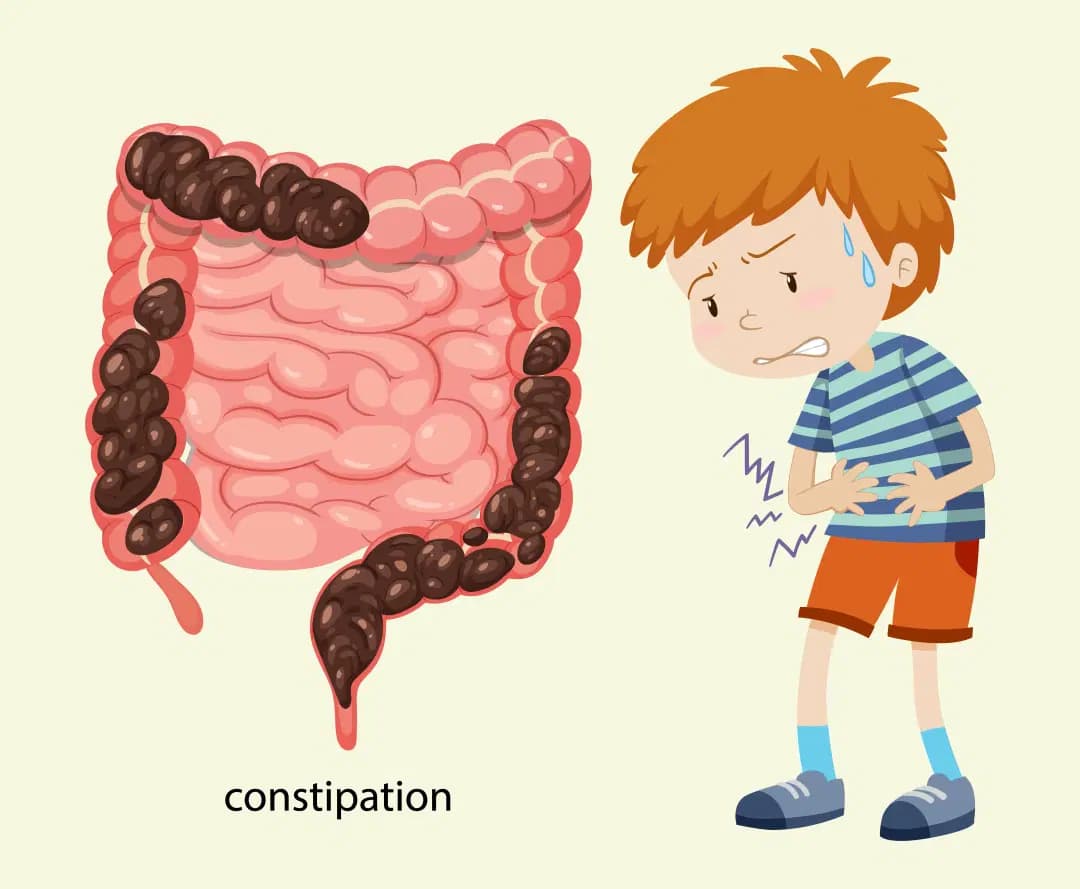
Constipation is a common condition defined by having fewer than three bowel movements per week, accompanied by hard, dry, or difficult-to-pass stool.
Constipation is a common digestive issue characterized by infrequent bowel movements (typically fewer than three per week), difficulty passing stools, or the passage of hard, dry, and, in some cases, painful stools.
Homeopathy helps to improve gut motility, restore natural bowel reflexes, and reduce reliance on laxatives. Homeopathy addresses the underlying causes like stress, diet, and metabolic issues. Unlike conventional laxatives, these remedies aim to restore, not force, bowel function. Safe for All Ages: Suitable for children and pregnant women.
Recognizing early symptoms can help identify health issues sooner and ensure timely medical care.
Infrequent bowel movements: Passing stools fewer than three times a week.

Stools are hard, dry, lumpy, or unusually large/small.
Needing to push excessively to have a bowel movement.

Understanding the underlying causes helps doctors diagnose conditions accurately and choose the most effective treatment.
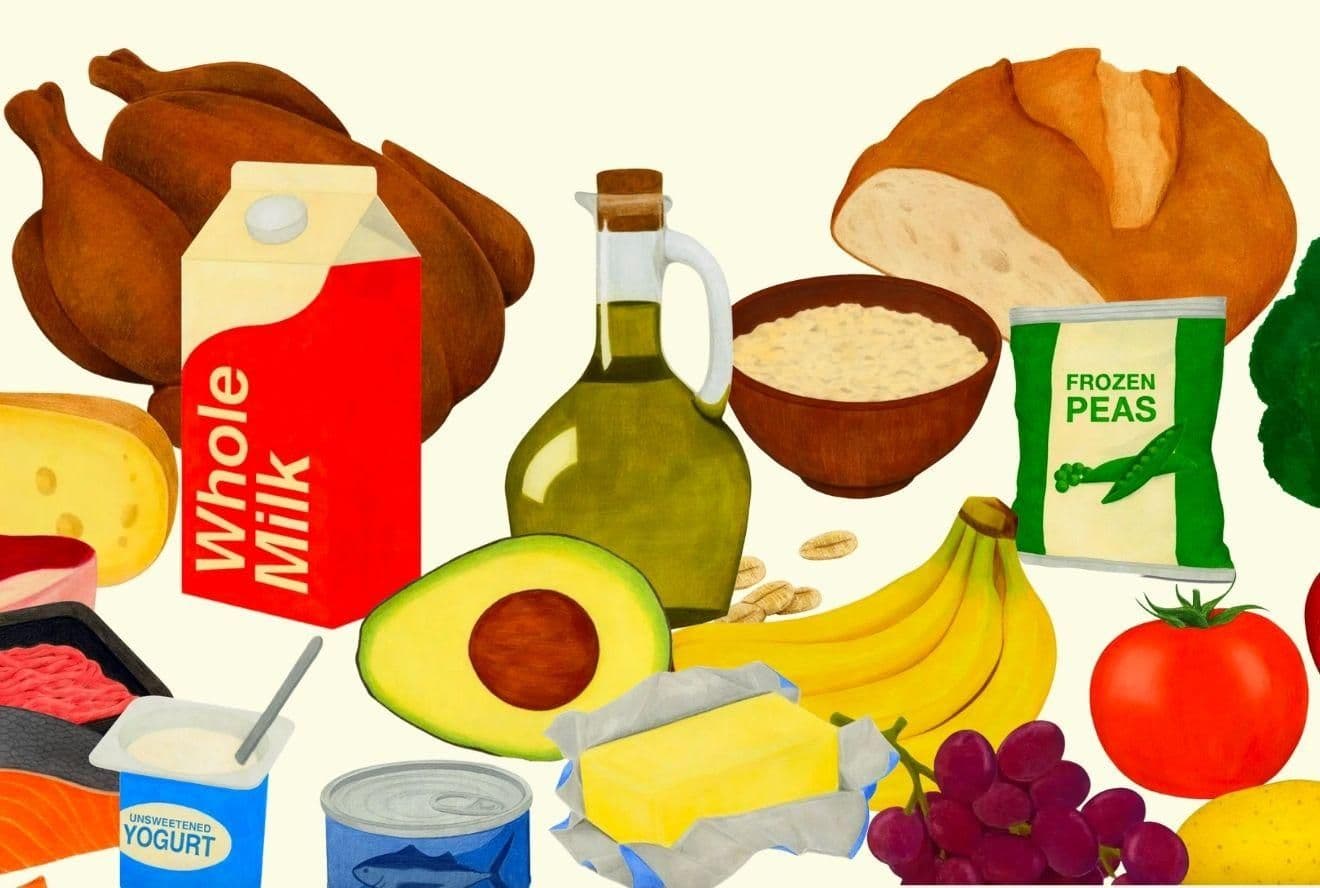
A diet low in fiber (found in fruits, vegetables, and whole grains), poor fluid intake.
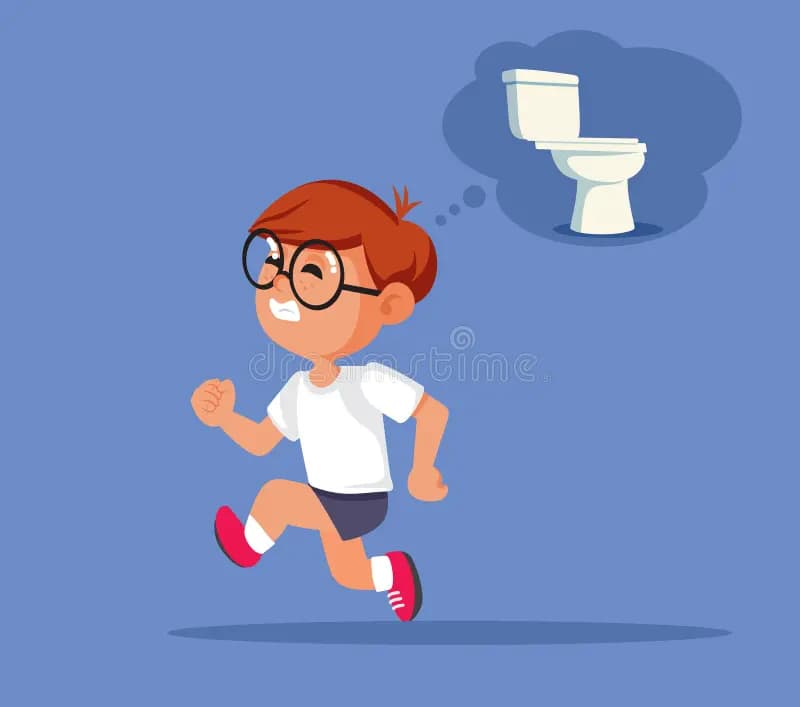
Ignoring the Urge: Frequently ignoring the urge to have a bowel movement can lead to chronic issues.

Common culprits include opioids (painkillers), antidepressants, iron supplements, calcium channel blockers, and antacids containing aluminum or calcium.
Certain lifestyle habits, health conditions, or environmental factors may increase the likelihood of developing this condition.
Diets lacking fruits, vegetables, and whole grains. Insufficient fluid intake.

Sedentary lifestyle or, for some, strict bed rest, Travel, pregnancy, or changing sleep/eating patterns. Frequently delaying bowel movements.
Older Age - Due to slower metabolism, reduced physical activity, and increased medication use.
Important highlights and key medical insights about this condition.
Symptoms: Beyond low frequency, symptoms include straining, feeling of incomplete evacuation, bloating, and abdominal discomfort.
Causes: Common culprits include inadequate fiber (fruits, vegetables, whole grains), low fluid intake, sedentary lifestyle, andignoring the urge to use the restroom.
Medications: Many medicines can cause constipation, particularly opioids, iron supplements, antacids containing aluminum or calcium, and some blood pressure medications.
Learn more about this speciality and how our experts help you achieve better health outcomes.
Constipation affects people of all ages, genders, and backgrounds, often stemming from low-fiber diets, dehydration, or inactivity.
If constipation lasts longer than three weeks or if it is accompanied by "red flag" symptoms that could indicate a more serious underlying condition.
Connect with experienced doctors who specialize in treating this condition and receive professional medical guidance.

Qualifications: BHMS , BHS(Public Health ,Canada)
The feeling that the rectum is still full after a bowel movement.
Pain, cramping, and bloating, sometimes with a distended abdomen.
Rectal pain/bleeding: Caused by passing hard stool.
Parkinson’s disease, multiple sclerosis, stroke, or spinal cord injuries.
Diabetes, hypothyroidism (underactive thyroid), or high calcium levels.

Irritable bowel syndrome (IBS), tumors, or diverticulitis.
Pregnancy (due to hormonal changes), aging, or structural issues like pelvic floor dysfunction.

Female - Likely due to hormonal influences and pregnancy.
Neurological Diseases: Parkinson’s disease, multiple sclerosis, spinal cord injuries.
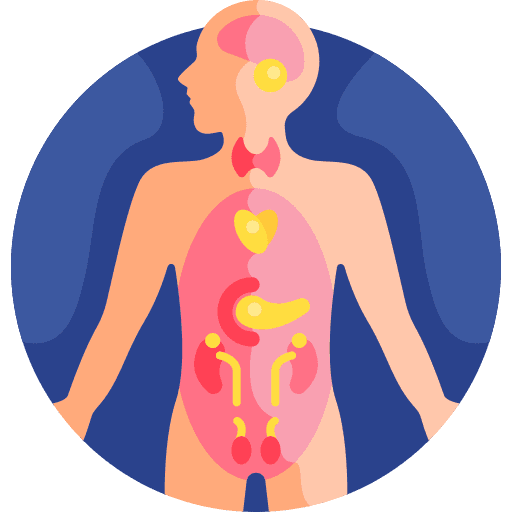
Endocrine/Metabolic Disorders: Hypothyroidism (underactive thyroid) and diabetes.

Gastrointestinal Disorders: Irritable bowel syndrome (IBS), pelvic floor dysfunction, or intestinal obstructions.
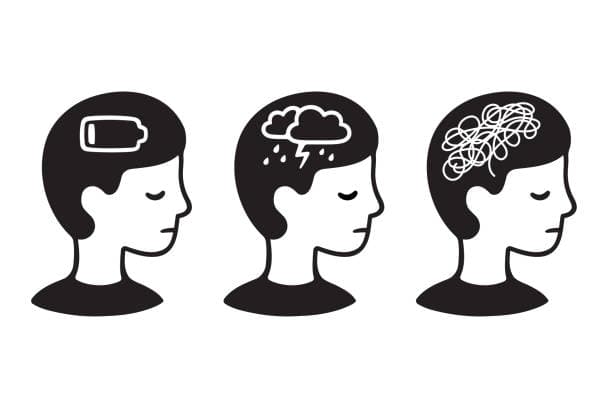
Mental Health Conditions: Depression or eating disorders.

Common culprits: Opioids (pain meds), antidepressants, iron supplements, calcium channel blockers, and aluminum-based antacids.
Risk Factors: It is more common in women, older adults, and during pregnancy or postpartum.
Treatment & Prevention: Increase daily fiber intake, drink more water, and boost physical activity. Establishing a regular, consistent toilet routine can also help.
When to See a Doctor: Seek medical advice if constipation lasts longer than 3 weeks, causes severe pain, or is accompanied by blood in the stool or unexplained weight loss.

Qualifications: BHMS.(FMHMC), MSc Psychology and Counselling, PG Diploma in Guidance and Counselling, Diploma Interactive Drawing Therapy (IDT), Cognitive Behavioural Therapy (CBT), De‑addiction Training (NIMHANS).

Qualifications: BHMS