
Loading...
Loading...
Loading...
A gaseous or distended abdomen is characterized by excessive gas in the digestive tract, causing visible swelling, tightness, pain, or discomfort.
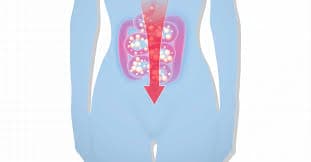
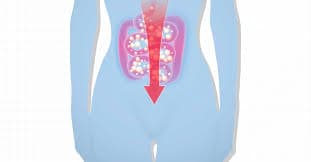
A gaseous abdomen (or bloated stomach) refers to a buildup of gas in the stomach or intestines, causing a feeling of pressure, fullness, swelling, or pain

Homeopathy helps in treating abdominal gas by using personalized remedies that address the root cause of indigestion, reduce bloating, and improve gut health without side effects.
Recognizing early symptoms can help identify health issues sooner and ensure timely medical care.

A feeling of fullness, pressure, or tightness in the abdomen, often with a visibly swollen belly.

Sharp, stabbing, or dull pain that may move around the abdomen or feel like a "knotted" stomach; often relieved by passing gas.
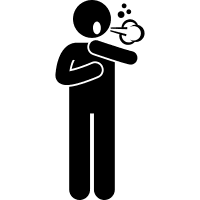
Frequent release of air from the upper digestive tract, often during or after meals.
Understanding the underlying causes helps doctors diagnose conditions accurately and choose the most effective treatment.
Consuming food too quickly, drinking through a straw, chewing gum, smoking, or wearing loose dentures causes excess air to enter the stomach.

High-fiber foods, beans, lentils, vegetables (broccoli, cabbage, onions), fruits, and carbonated drinks (soda, beer) are common culprits.

Lactose intolerance (difficulty digesting dairy) and gluten sensitivity can cause significant gas.
Certain lifestyle habits, health conditions, or environmental factors may increase the likelihood of developing this condition.

High-fiber foods (beans, lentils, broccoli, cabbage), artificial sweeteners (sorbitol, mannitol), and sugar-rich foods.
Eating or drinking too fast, talking while eating, smoking, chewing gum, sucking on hard candies, and wearing loose dentures.

Irritable Bowel Syndrome (IBS), lactose intolerance, celiac disease, small intestinal bacterial overgrowth (SIBO), and chronic constipation.
Important highlights and key medical insights about this condition.
Normal Amount: Approximately 200 ml of gas is present in the intestine at any time, with an average daily excretion of 750 ml.
Production Sources: Gas is produced by bacteria digesting undigested food in the large intestine and by swallowing air (aerophagia).
Dietary Culprits: Beans, lentils, broccoli, cabbage, onions, dairy products (if lactose intolerant), and artificial sweeteners.
Common Causes: Eating too fast, smoking, chewing gum, drinking carbonated beverages, and consuming fiber-rich foods or sugar substitutes (sorbitol, mannitol).
Learn more about this speciality and how our experts help you achieve better health outcomes.
Individuals with IBS, celiac disease, lactose/fructose intolerance, constipation, or those who have had recent digestive surgery.
If it is severe, persistent, or accompanied by warning signs like unexplained weight loss, blood in stool, vomiting, fever, or severe diarrhea
Connect with experienced doctors who specialize in treating this condition and receive professional medical guidance.

Qualifications: BHMS , BHS(Public Health ,Canada)

Passing gas (farting) through the rectum.

Gurgling or growling noises.

Trapped gas can sometimes cause pain that feels like it is in the chest.

Constipation, Small Intestinal Bacterial Overgrowth (SIBO), Irritable Bowel Syndrome (IBS), or gastroesophageal reflux disease (GERD).

Sugar-free gums and candies often contain sorbitol or mannitol, which can cause flatulence.

Carbonated drinks (soda, beer) and excessive coffee consumption.

Fiber supplements (psyllium), laxatives, and certain painkillers.


Chronic stress, anxiety.

Pregnancy and abdominal muscle weakness.
Common Symptoms: Belching, flatulence, abdominal pain, cramps, and a feeling of pressure or bloating.
Management Strategies: Slow eating, avoiding straws and chewing gum, reducing carbonated drinks.

Qualifications: BHMS.(FMHMC), MSc Psychology and Counselling, PG Diploma in Guidance and Counselling, Diploma Interactive Drawing Therapy (IDT), Cognitive Behavioural Therapy (CBT), De‑addiction Training (NIMHANS).

Qualifications: BHMS