Loading...
Loading...
Loading...
Abdominal bloating, characterized by a feeling of tightness, pressure, or fullness in the abdomen, is often caused by excess gas, constipation, or digestive disorders like IBS.
Abdominal bloating is the uncomfortable sensation of a full, tight, or swollen abdomen, often causing visible belly distension

Homeopathy treats abdominal bloating by addressing underlying digestive dysfunction through individualized remedies based on specific symptoms like gas type, trigger foods, and pain location.
Recognizing early symptoms can help identify health issues sooner and ensure timely medical care.
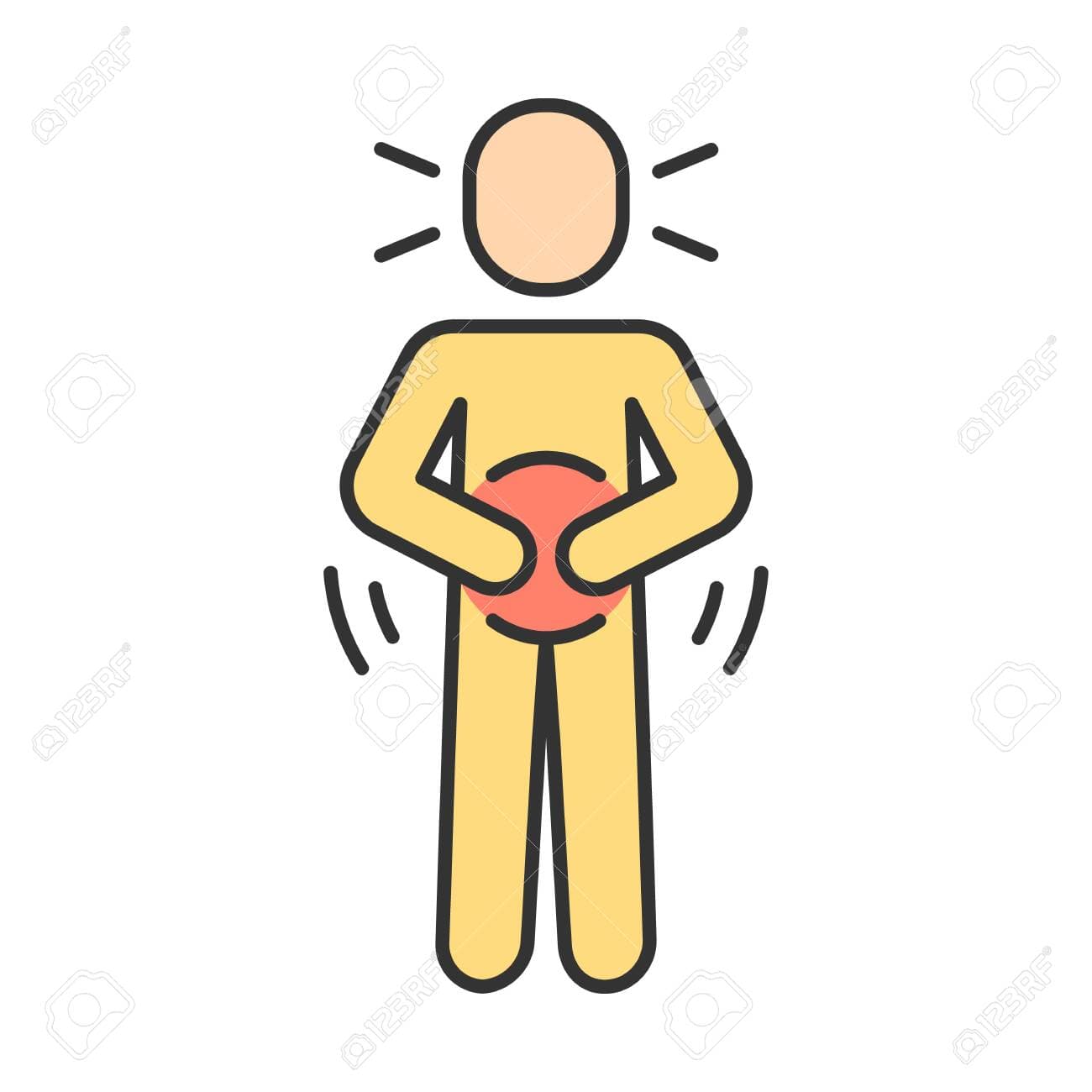
Abdominal Fullness/Tightness: A feeling that the stomach is stretched or, full, or heavy.
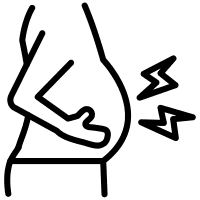
Visible Swelling: The stomach appears distended or larger than usual.
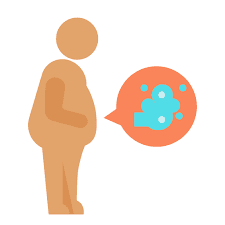
Excessive Gas: Frequent flatulence or belching/burping.
Understanding the underlying causes helps doctors diagnose conditions accurately and choose the most effective treatment.

Constipation: Causes stool to remain in the colon, allowing more time for fermentation and gas production. Irritable Bowel Syndrome (IBS): A common cause of chronic bloating, pain, and gas. Small Intestinal Bacterial Overgrowth (SIBO): An excess of bacteria in the small intestine. Slow Digestion/Gastric Emptying: Food stays in the system longer.
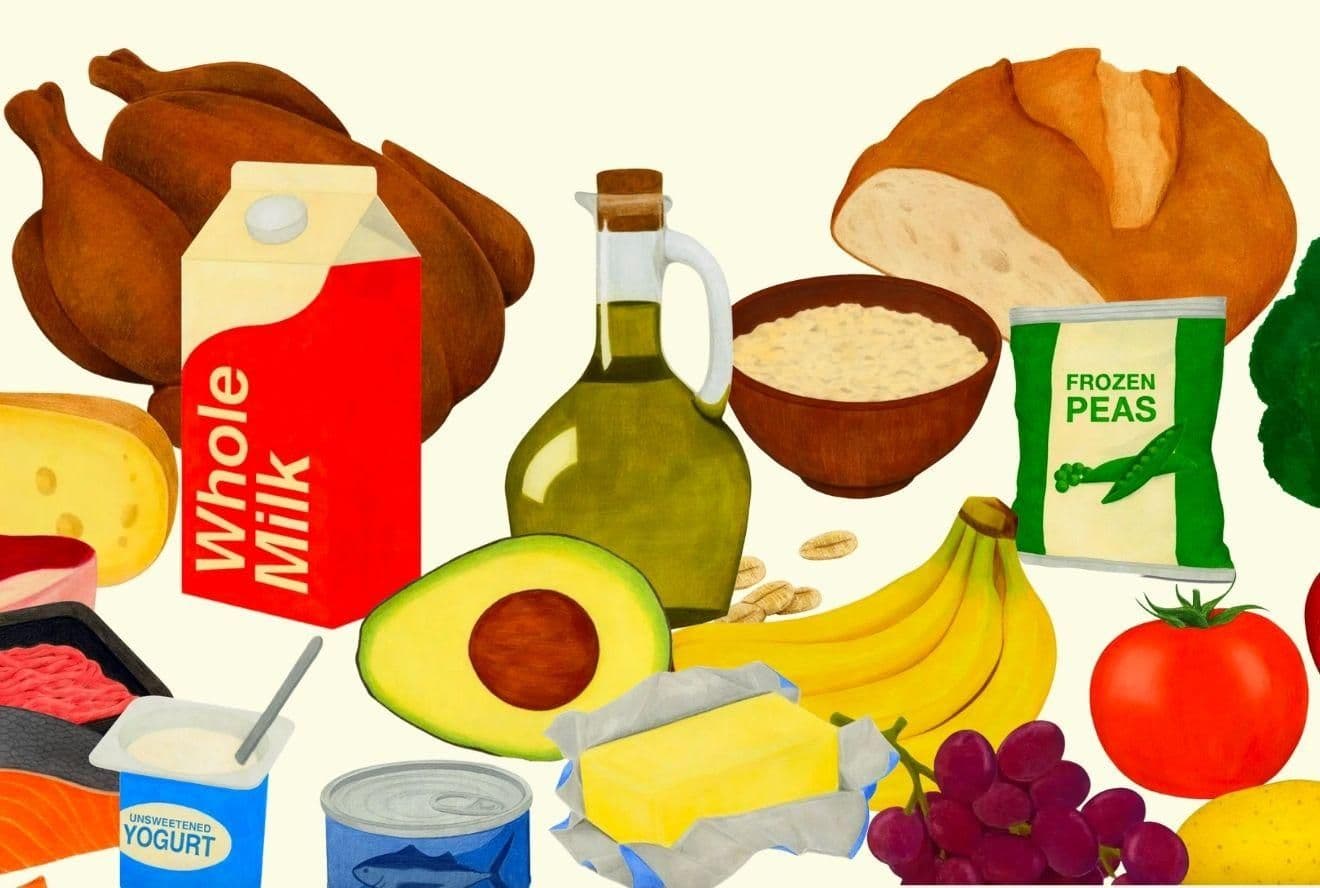
Gas-Producing Foods: Beans, lentils, broccoli, cabbage, onions, garlic, and carbonated beverages. Food Intolerances: Lactose (dairy) and gluten. High-Fiber Foods: While healthy, a sudden increase in fiber can cause gas. Fatty/Fried Foods: Slow down digestion, allowing more time for gas to form. Swallowing Air: Eating too quickly, using a straw, chewing gum, or smoking.

Certain lifestyle habits, health conditions, or environmental factors may increase the likelihood of developing this condition.

Irritable bowel syndrome (IBS), Small Intestinal Bacterial Overgrowth (SIBO), inflammatory bowel disease (IBD), gastroesophageal reflux disease (GERD), and constipation.

Eating too fast, overeating, or consuming high-fat, fried, or carbonated, and high-fiber foods.

Lactose intolerance (dairy), fructose, or gluten sensitivity.
Important highlights and key medical insights about this condition.
Move Around Helps: Light exercise, walking, or yoga can help move gas through the system.
Herbal Tea Helps Out: Peppermint, ginger, or chamomile tea can relax muscles and soothe the stomach.
Apply Heat: A hot water bottle or heating pad on the abdomen can reduce discomfort.
Have Smaller, Frequent Meals: Avoid overloading the digestive system with large meals.
Learn more about this speciality and how our experts help you achieve better health outcomes.
Abdominal bloating affects 10%–25% of healthy people, with up to 75% describing symptoms as moderate to severe. It is common in all age groups but predominantly affects women, particularly during menstruation, pregnancy, or menopause.
If abdominal bloating is persistent (lasts more than a week), severely painful, or worsens over time.
Connect with experienced doctors who specialize in treating this condition and receive professional medical guidance.

Qualifications: BHMS , BHS(Public Health ,Canada)
Mild to moderate discomfort or sharp pains in the abdominal region.
Constipation or diarrhea, especially if associated with IBS.
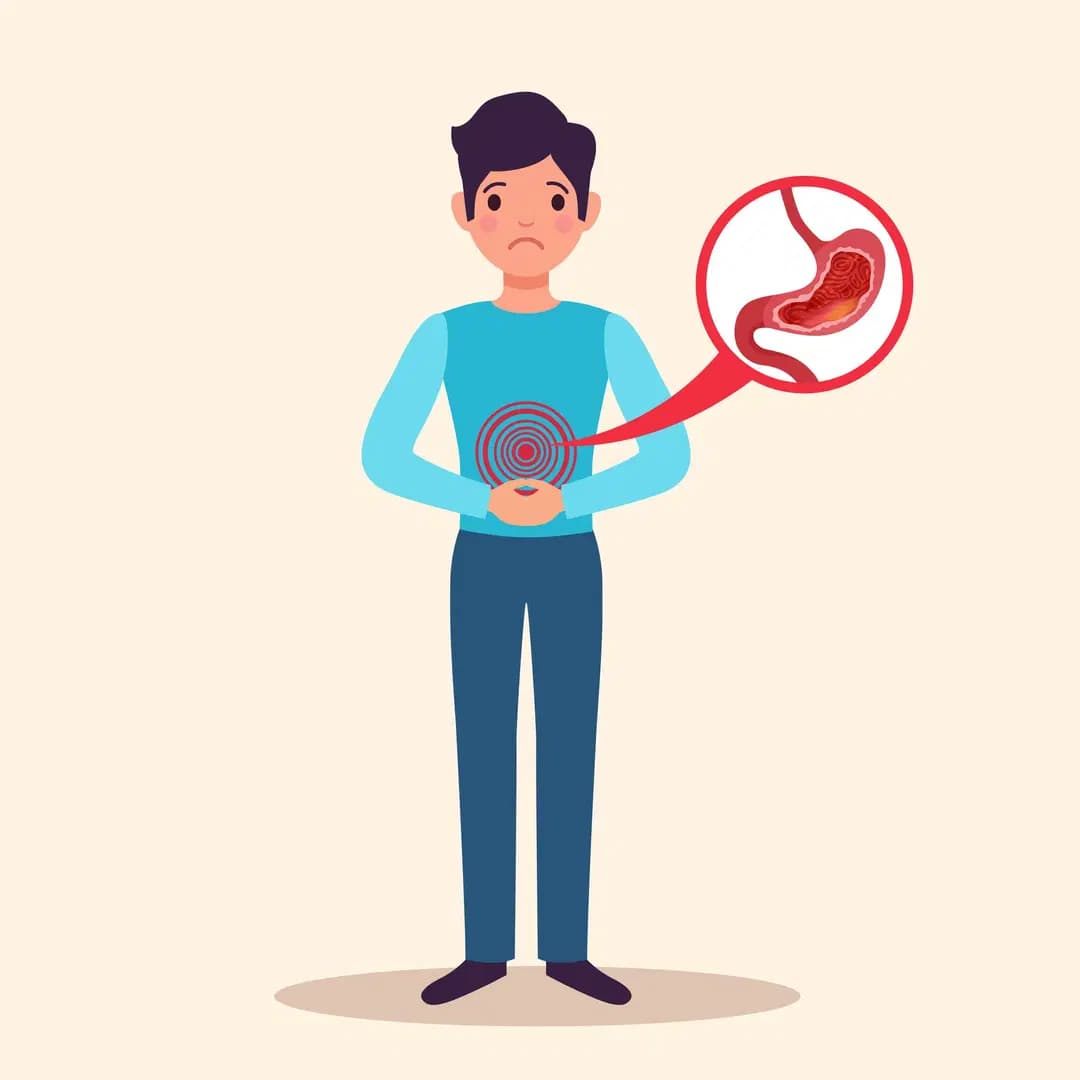
Rumbling Sounds: Noises from the abdomen.
Menstrual Cycle/Pregnancy: Hormonal fluctuations can cause fluid retention and temporary bloating.
Stress/Anxiety: Can affect digestive speed.

Celiac Disease, Inflammatory Bowel Disease (IBD), Gall bladder stones, Ascites.

Premenstrual syndrome (PMS), pregnancy, or menopause.

lack of physical activity.
High-stress levels, anxiety

Certain diabetes medications (acarbose), or those containing lactose or sorbitol.
Increase Fiber Gradually: Sudden increases in fiber can worsen gas.
Stay Hydrated: Drinking enough water prevents constipation, a major cause of bloating.

Qualifications: BHMS.(FMHMC), MSc Psychology and Counselling, PG Diploma in Guidance and Counselling, Diploma Interactive Drawing Therapy (IDT), Cognitive Behavioural Therapy (CBT), De‑addiction Training (NIMHANS).

Qualifications: BHMS