
Loading...
Loading...
Loading...
Female reproductive disorders involve conditions affecting the uterus, ovaries, fallopian tubes, or hormonal balance, causing symptoms like pelvic pain, irregular bleeding, infertility, and hormonal imbalances.
Female disorders encompass conditions affecting the reproductive system and women's overall health, including endometriosis, PCOS, uterine fibroids, and cancers (cervical, ovarian). Common issues involve menstrual irregularities, pelvic pain, infertility, and infections.
Homeopathy treats female disorders by using highly diluted substances to stimulate the body's self-healing mechanisms based on individual symptoms. It addresses hormonal imbalances, pain, and emotional fluctuations associated with conditions like PMS, menopause, and PCOS, often aiming for long-term management and improved quality of life.
Explore specific conditions and related treatments.
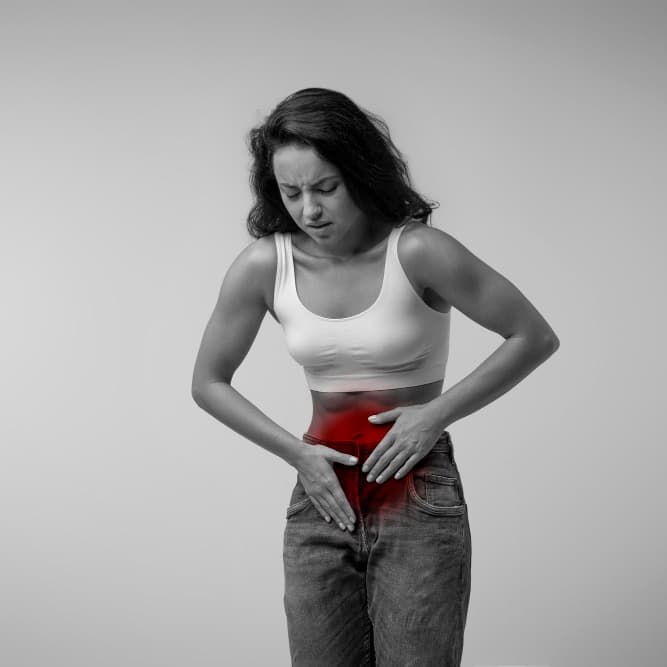
Urinary Tract Infections (UTIs) are among the most common bacterial infections, affecting the bladder, urethra, or kidneys. They occur when bacteria, most often E. coli, enter the urinary tract and multiply, leading to symptoms such as burning during urination, frequent urges to urinate, cloudy or foul-smelling urine, and pelvic discomfort.

Abnormal vaginal bleeding is any bleeding from the uterus or vagina that differs from a normal, regular menstrual period.

Uterine fibroids (leiomyomas) are very common, non-cancerous muscular tumors that grow in or on the walls of the uterus.
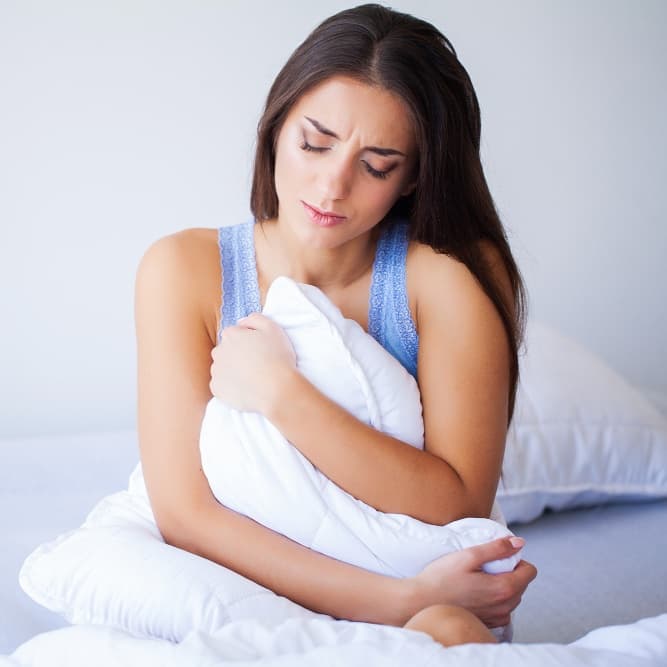
Abnormal vaginal discharge is any change in color, odor, or consistency from your normal, such as yellow/green, fishy-smelling, or thick/clumpy discharge accompanied by itching or pain.

Leucorrhoea, commonly referred to as white discharge, is a condition in women characterized by a whitish or yellowish vaginal discharge.

Amenorrhea is the absence of menstrual periods, classified as primary (no period by age 15) or secondary (missed periods for 3+ months).

Menstrual irregularities are disruptions to the normal menstrual cycle, characterized by bleeding that is too heavy, light, frequent, infrequent, or unpredictable.
Connect with experienced doctors who specialize in treating this condition and receive professional medical guidance.

Qualifications: BHMS , BHS(Public Health ,Canada)
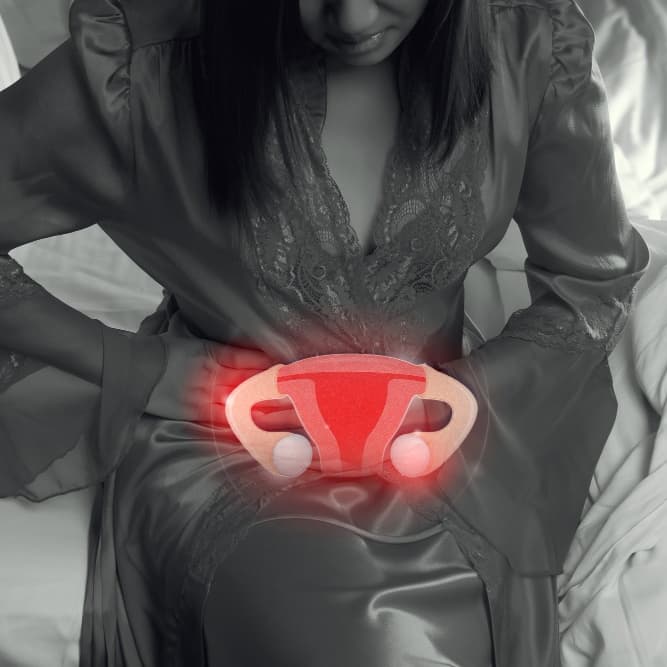
Endometriosis is a chronic, often painful disease where tissue similar to the lining of the uterus (endometrium) grows outside the uterus, typically on pelvic organs like ovaries and fallopian tubes.
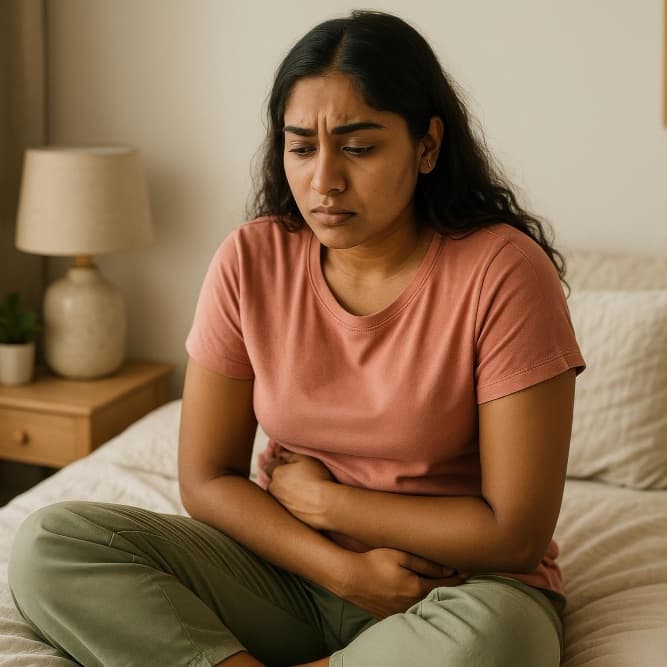
Dysmenorrhea is the medical term for painful menstruation, characterized by severe cramps in the lower abdomen, often accompanied by back pain, nausea, and dizziness.
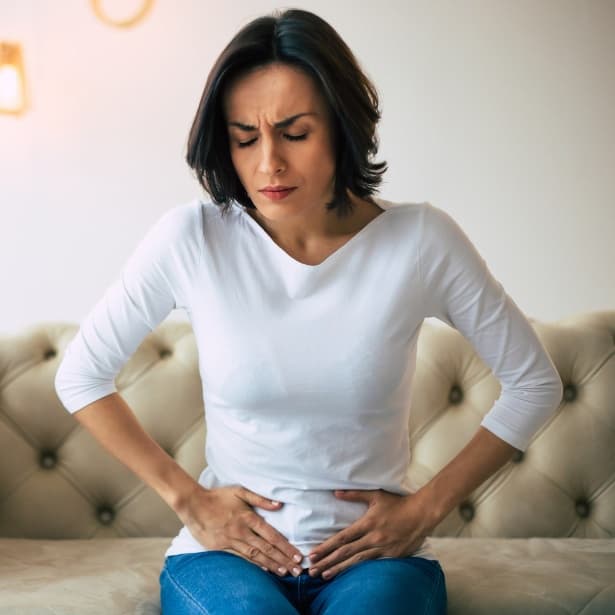
Pelvic floor disorders (PFDs) are common conditions occurring when muscles and connective tissues in the pelvic area weaken, tighten, or become injured, causing improper support or function of pelvic organs (bladder, bowel, uterus).
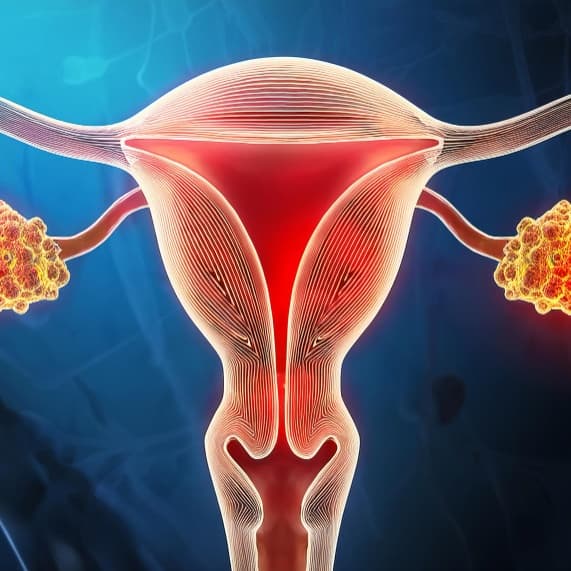
Chocolate cyst, medically known as an endometrioma, is a type of ovarian cyst formed when endometrial tissue (the lining of the uterus) grows inside the ovaries. These cysts are filled with old, dark, blood-like fluid, giving them a “chocolate” appearance.

Vaginal yeast infection (vaginal candidiasis) is a common fungal infection caused by an overgrowth of Candida yeast, resulting in intense itching, swelling, and thick, white, "cottage cheese-like" discharge.
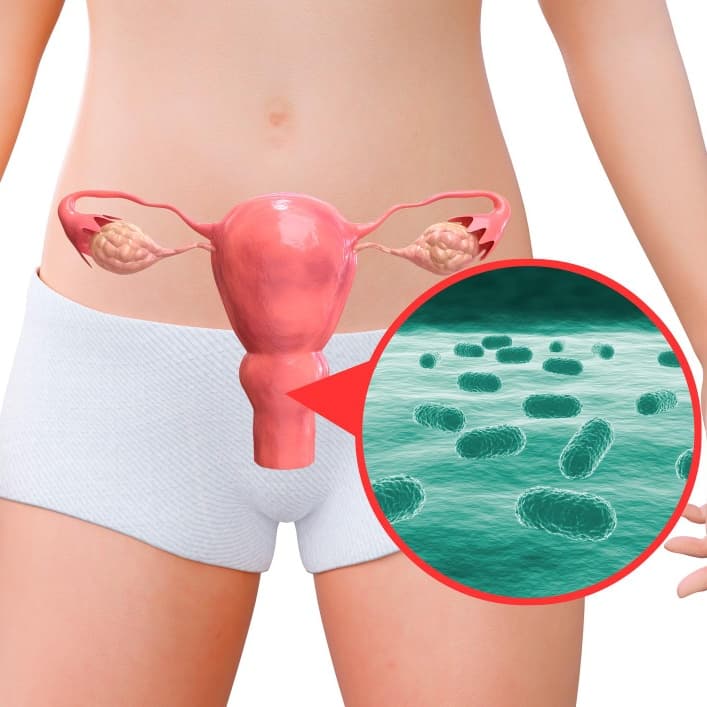
Bacterial vaginosis (BV) is a common infection caused by an imbalance of bacteria in the vagina, where harmful bacteria override protective lactobacilli. It causes thin, grey, or white discharge with a fishy odor, particularly after sexual intercourse or during menstruation.
Vaginitis is an inflammation of the vagina, often causing symptoms like abnormal discharge, itching, burning, and discomfort.
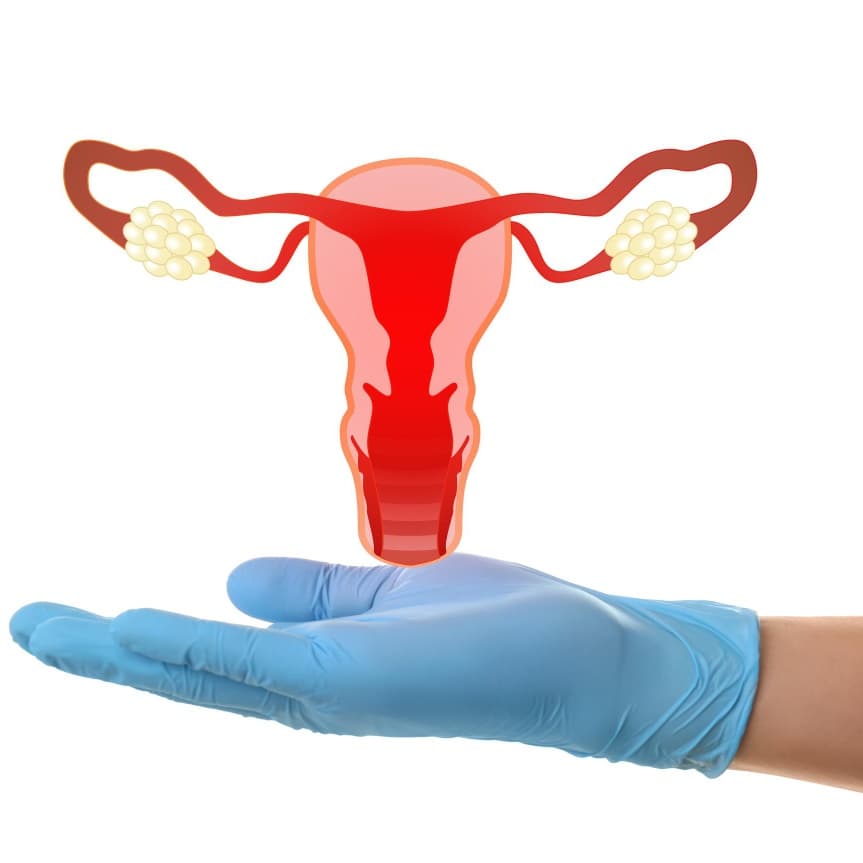
Vaginal prolapse is a condition where the vaginal walls or vault sag due to weakened pelvic floor muscles, often after childbirth or menopause.
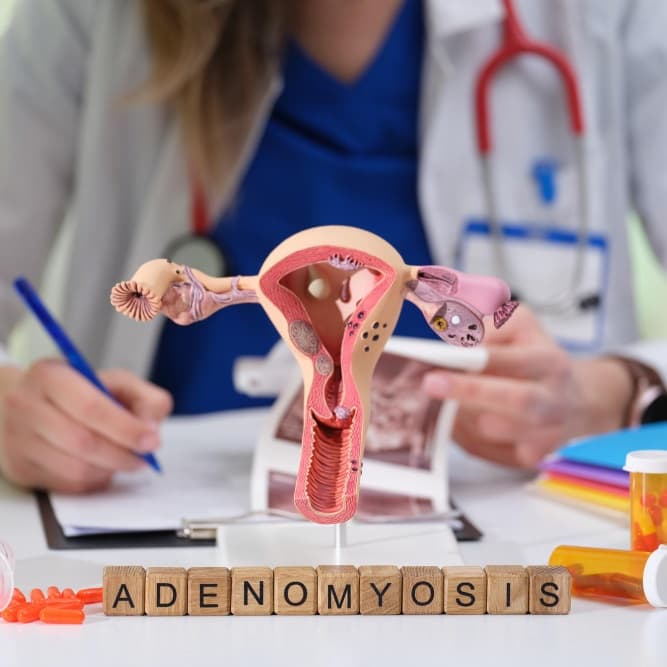
Adenomyosis is a benign but often painful condition where the lining of the uterus grows into its muscular wall, leading to heavy periods, pelvic pain, and sometimes infertility.
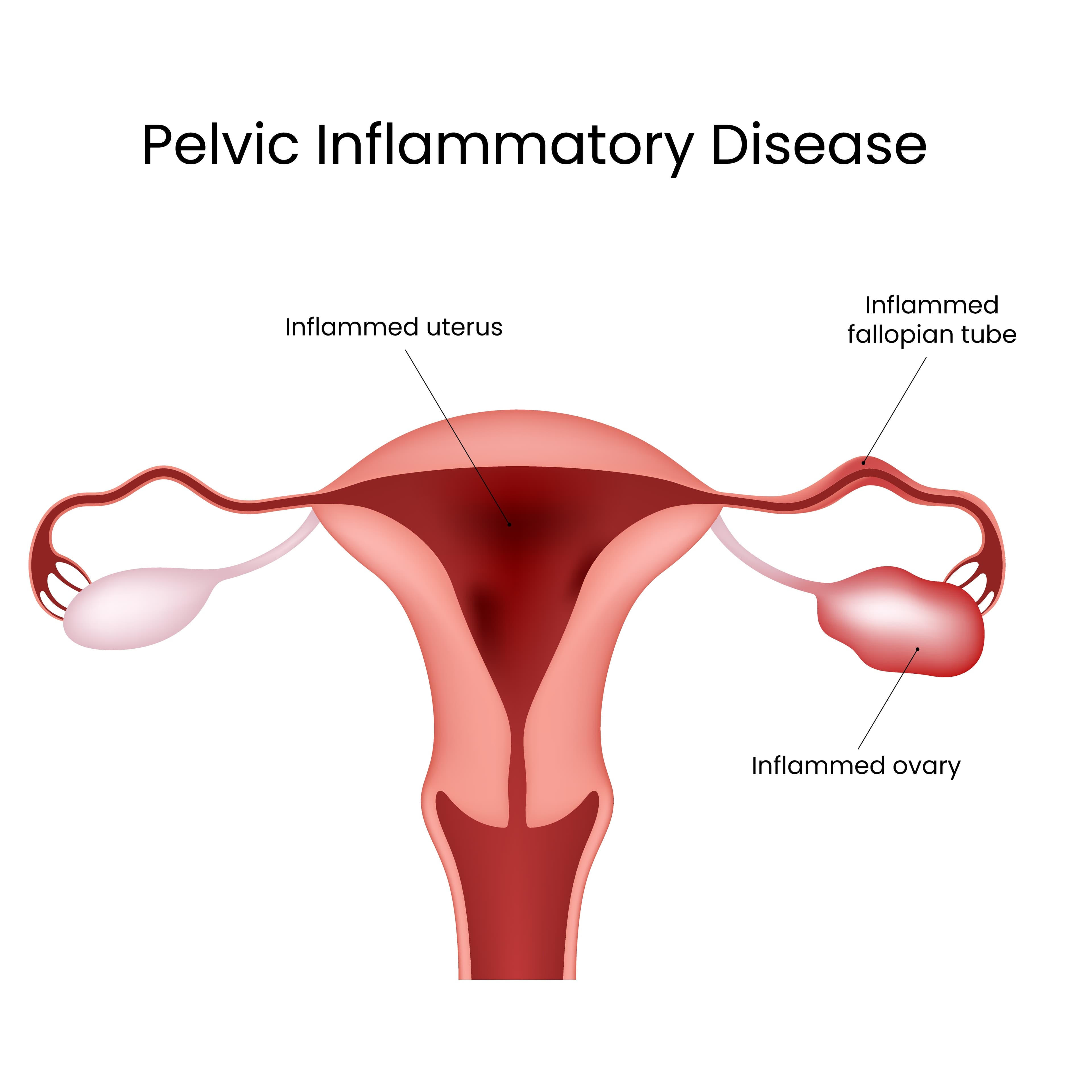
Pelvic Inflammatory Disease (PID) is a serious infection of the female reproductive organs, usually caused by untreated sexually transmitted infections like chlamydia or gonorrhea. It can lead to infertility, chronic pelvic pain, or ectopic pregnancy if not treated promptly.

Qualifications: BHMS

Qualifications: BHMS (Homeo), MSc Psychology, PG Diploma in Guidance & Counselling, Diploma in Nutrition and Health Education, Bachelor of Health Science Public Health (Canada), Certified Public Health Inspector of Canada.