Loading...
Loading...
Loading...
Neck pain, or cervicalgia, is discomfort in the neck's muscles, nerves, joints, or vertebrae, often causing stiffness, reduced mobility, and headaches.
Neck pain, or cervicalgia, is discomfort in the muscles, nerves, bones, or joints of the neck, often caused by poor posture, muscle strain, or age-related wear.
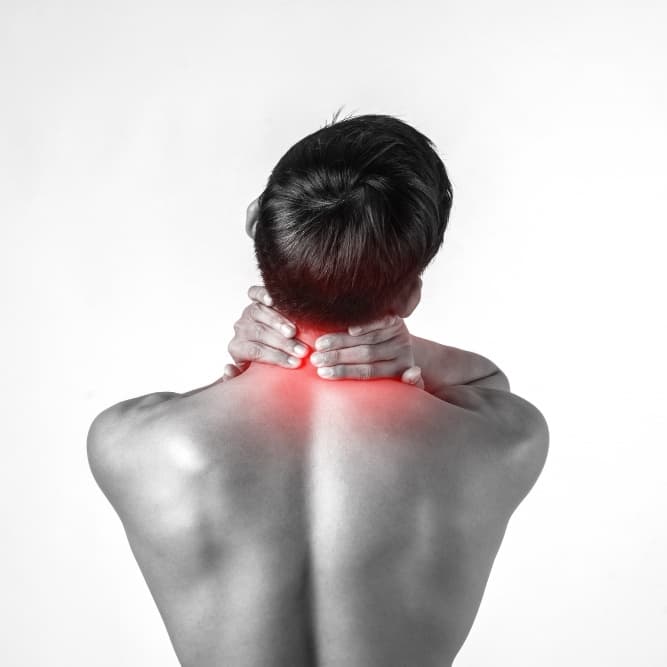
Homeopathy helps treat neck pain—especially chronic conditions like cervical spondylosis, muscle spasms, and sprains—by using individualized remedies to reduce inflammation, relieve pain, and restore mobility. It focuses on treating the underlying cause, such as nerve root compression or muscular strain, and is considered a safe, non-toxic, long-term management option.
Recognizing early symptoms can help identify health issues sooner and ensure timely medical care.
Inability or difficulty to fully turn or tilt the head, often causing a stiff neck.
Muscle tightness, tenderness, and spasms, with pain that may worsen when holding the head in one position.
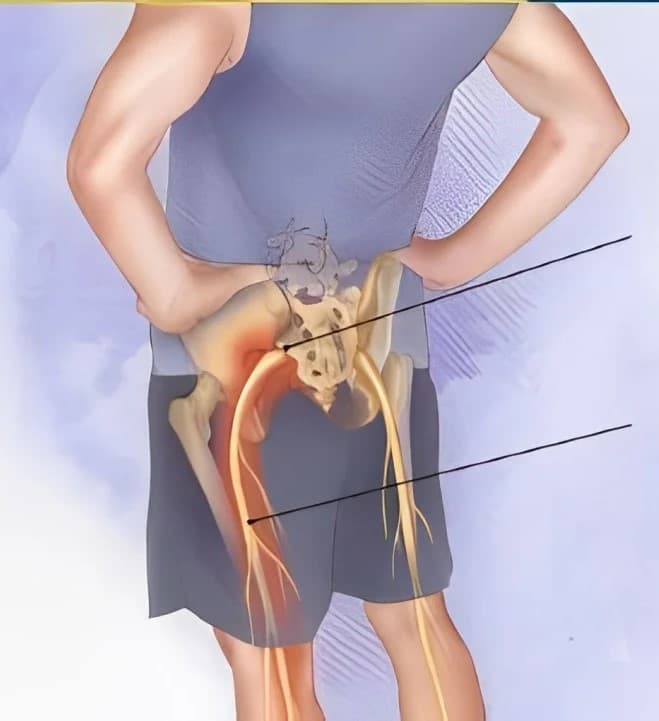
Sharp or shooting pain that travels from the neck down to the shoulders, arms, or hands.
Understanding the underlying causes helps doctors diagnose conditions accurately and choose the most effective treatment.
Often caused by sitting at a desk for long hours, hunching over smartphones ("text neck"), or carrying a heavy bag.
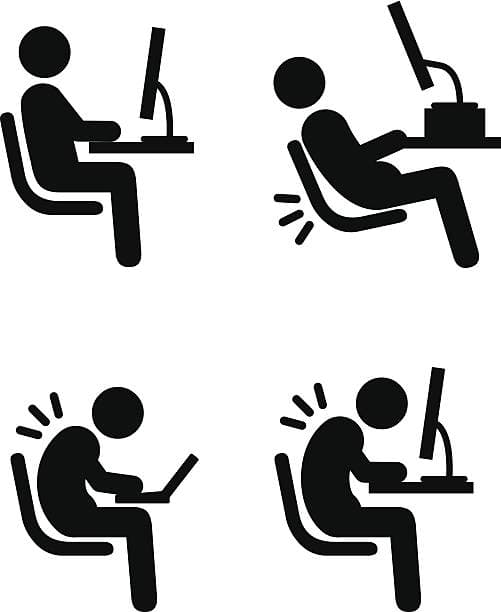
Holding the neck in awkward positions, such as slouching or reading in bed.
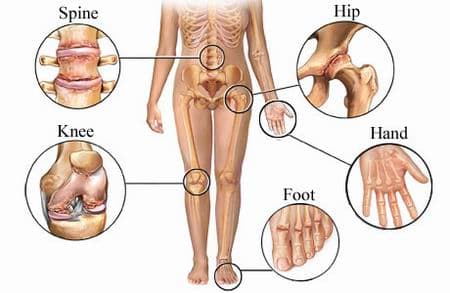
As the body ages, cervical spine joints can develop arthritis or bone spurs, resulting in pain.
Certain lifestyle habits, health conditions, or environmental factors may increase the likelihood of developing this condition.
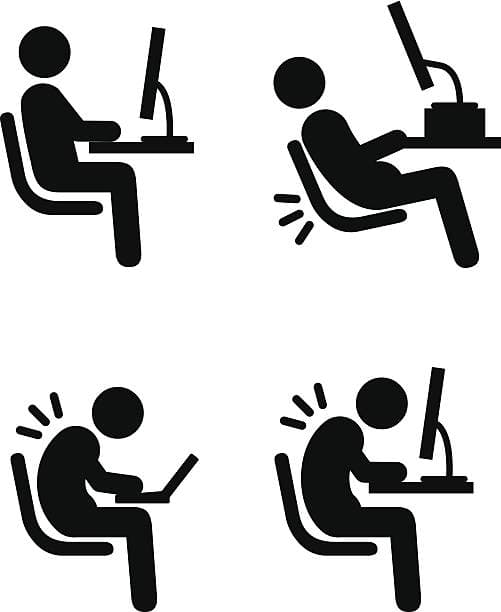
Prolonged slouching, hunching over computers, or looking down at smartphones.
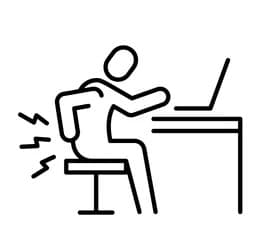
Repetitive Strain & Overuse: Frequent, repetitive neck movements or holding the head in one position for long periods.
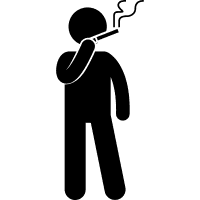
Tobacco use increases risk due to physiological stress on the spine.
Important highlights and key medical insights about this condition.
Poor Posture: Slouching at computers or looking down at phones (text neck).
Muscle Strain: Overuse or awkward movements during work or exercise.
Heat or Ice: Apply ice for the first 48 hours to reduce inflammation, then switch to heat (warm shower, heating pad).
Exercise/Motion: Gentle range-of-motion exercises (slowly tilting side-to-side) to prevent stiffness.
Learn more about this speciality and how our experts help you achieve better health outcomes.
Women, older individuals, and those with sedentary, desk-bound jobs.
If pain radiates down arms, causes numbness/weakness in hands, or persists for more than a few days.
Connect with experienced doctors who specialize in treating this condition and receive professional medical guidance.

Qualifications: BHMS , BHS(Public Health ,Canada)
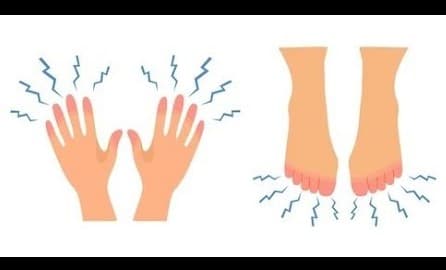
Numbness, tingling ("pins and needles"), or weakness in the arms, hands, or fingers, indicating nerve compression.
Tension headaches originating from the base of the skull or neck.
Difficulty swallowing, dizziness, light-headedness, or swelling of lymph nodes.
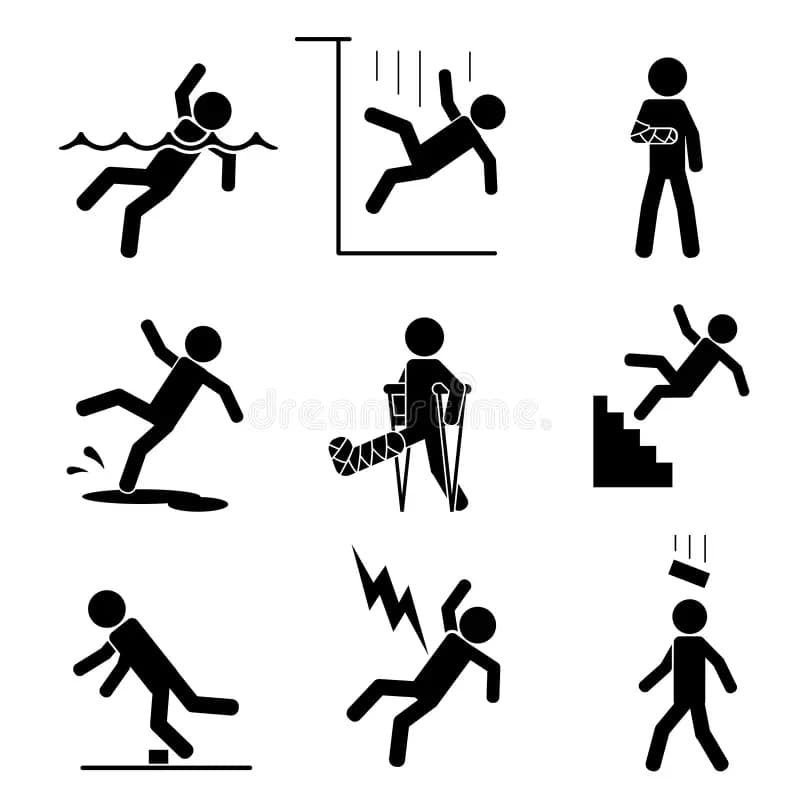
Rear-end collisions can cause whiplash, where the head jerks forward and backward, damaging neck soft tissues.
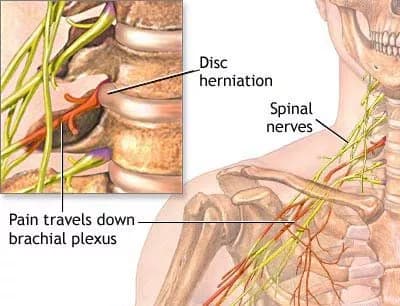
Herniated disks or bone spurs in the cervical vertebrae can press on nerves.
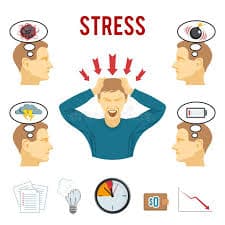
Tightening neck muscles due to stress or tension.
Conditions like rheumatoid arthritis, fibromyalgia, meningitis, or rare instances of tumors.
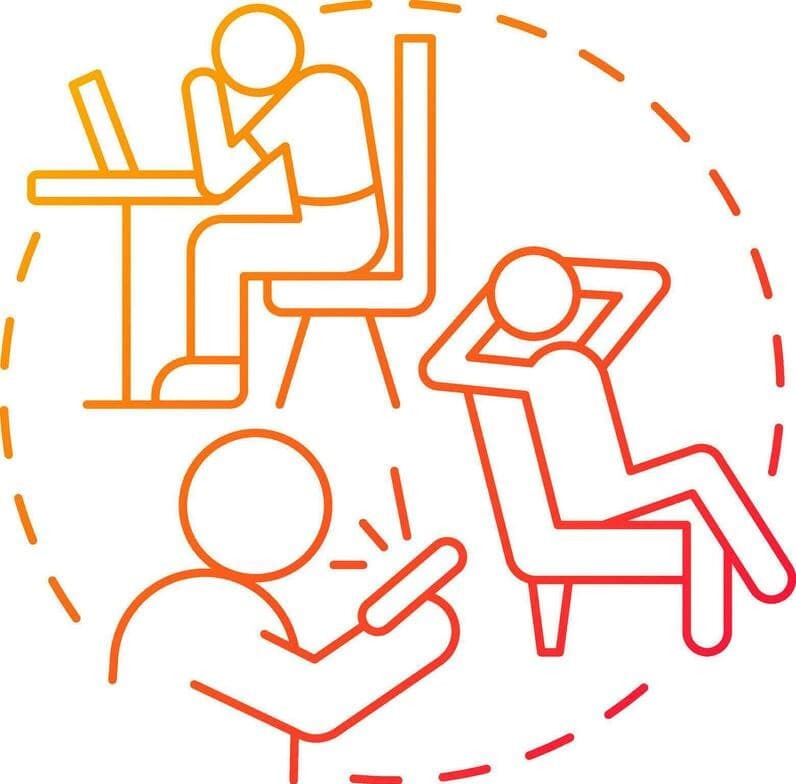
Sedentary lifestyles can weaken supporting muscles.
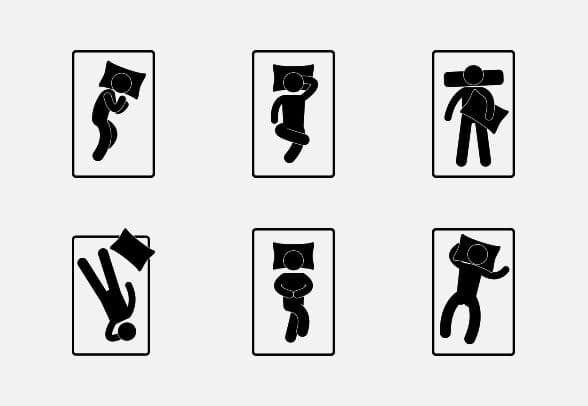
Improper Sleeping Positions: Using pillows that are too high or too flat, or sleeping in positions that strain the neck.
Risk increases with age, particularly over 40, due to wear and tear, such as thinning cervical discs and osteoarthritis.
Higher BMI is associated with an increased risk of neck pain.
Studies indicate women are more likely to experience neck pain.
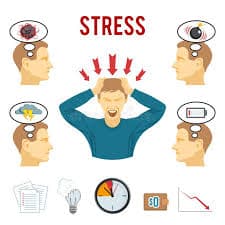
Long-term stress, anxiety, and depression are key risk factors.
Lifestyle Changes: Adjusting desk ergonomics and improving sleep posture with a supportive pillow.

Qualifications: BHMS.(FMHMC), MSc Psychology and Counselling, PG Diploma in Guidance and Counselling, Diploma Interactive Drawing Therapy (IDT), Cognitive Behavioural Therapy (CBT), De‑addiction Training (NIMHANS).

Qualifications: BHMS

Qualifications: BHMS (Homeo), MSc Psychology, PG Diploma in Guidance & Counselling, Diploma in Nutrition and Health Education, Bachelor of Health Science Public Health (Canada), Certified Public Health Inspector of Canada.