Loading...
Loading...
Loading...
Lower back pain is a common, often temporary condition caused by muscle strains, ligament injuries, or wear-and-tear.
Lower back pain is discomfort in the lumbar region, spanning from the bottom of the ribs to the top of the legs.
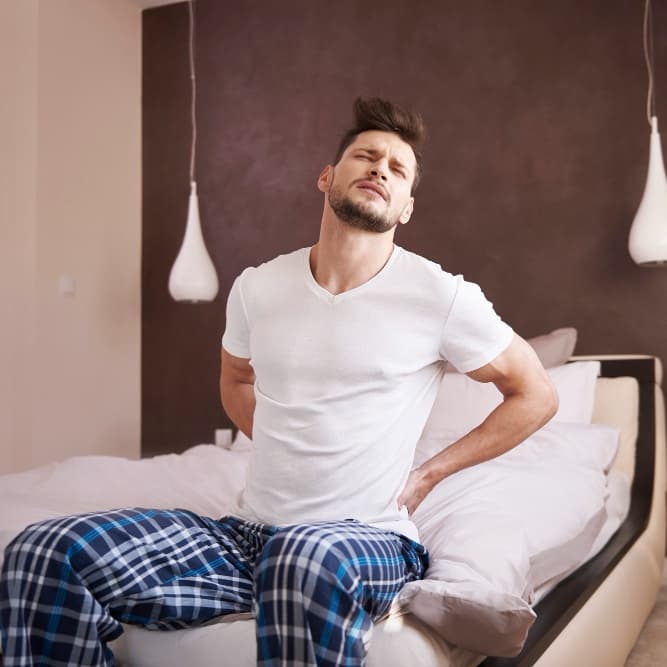
Homeopathy helps in managing lower back pain by using a holistic, individualized approach that aims to treat the root cause of the pain rather than just suppressing symptoms. Remedies are chosen based on the specific type of pain, its location, and what makes it better or worse, promoting the body's natural healing process to reduce inflammation, alleviate nerve compression, and improve mobility.
Recognizing early symptoms can help identify health issues sooner and ensure timely medical care.
Dull, aching, sharp, piercing, or burning sensations.
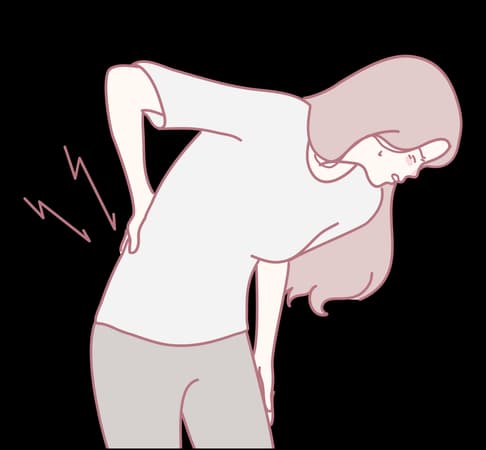
Stiffness, decreased range of motion, and difficulty standing up straight.
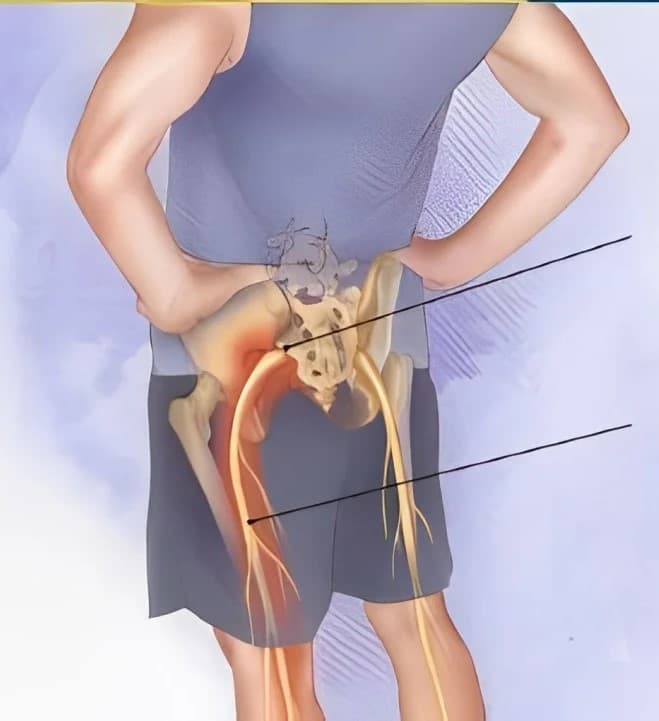
Pain that shoots down one or both legs (sciatica), often worse with coughing or sneezing.
Understanding the underlying causes helps doctors diagnose conditions accurately and choose the most effective treatment.
Strains/sprains from improper lifting, poor posture, or lack of exercise.
Herniated/ruptured discs, spinal stenosis (narrowing of the spine), or vertebrae that have slipped out of place.

Arthritis, osteoporosis (leading to fractures), or infections.
Certain lifestyle habits, health conditions, or environmental factors may increase the likelihood of developing this condition.
Back pain becomes more common with age, particularly after 45, due to disc degeneration and reduced elasticity.
Weak, unused muscles in the back and abdomen (core strength) are less able to support the spine.
Obesity or sudden weight gain puts extra, chronic pressure on the joints and discs.
Important highlights and key medical insights about this condition.
Prevalence: Up to 80% of adults experience low back pain at some point in their lives, with cases peaking between ages 50–55.
Types: Acute pain lasts a few days to weeks; Chronic pain lasts longer than 3 months.
Top Causes: Muscle or ligament strain, injuries, obesity, and poor posture are primary culprits.
Treatment: Bed rest is usually not recommended for more than a day or two; light activity helps the back recover faster.
Learn more about this speciality and how our experts help you achieve better health outcomes.
most commonly affects adults over age 30, with peak cases between 50–55 years. Women, people with obesity, sedentary lifestyles, or physically demanding jobs are at higher risk.
If the pain is severe, constant, lasts more than 1–2 weeks, or does not improve with rest. Seek immediate emergency care for "red flag" symptoms: pain after a serious injury, weakness/numbness in legs, or loss of bladder/bowel control.
Connect with experienced doctors who specialize in treating this condition and receive professional medical guidance.

Qualifications: BHMS , BHS(Public Health ,Canada)
Intense, uncontrollable spasms of the back muscles.
Tingling, burning, numbness, or weakness in the legs or feet.
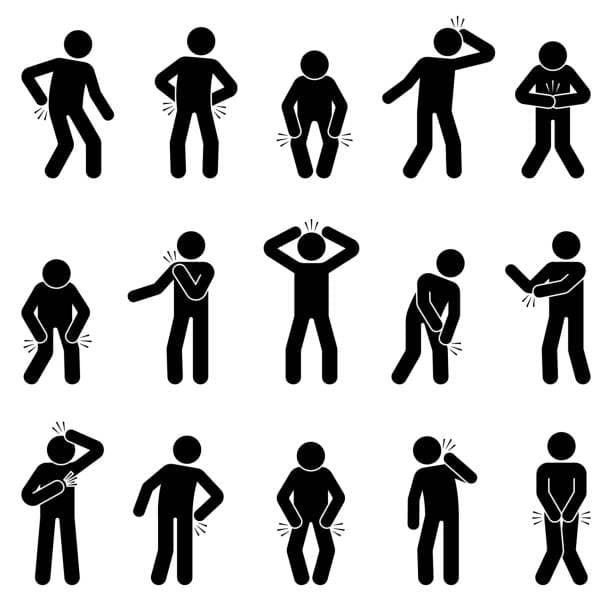
Pain that feels worse when sitting, standing for long periods, or lifting objects.
Being Overweight.
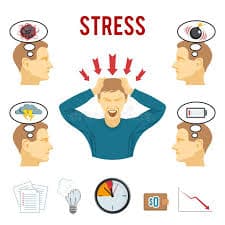
Being over stressed.
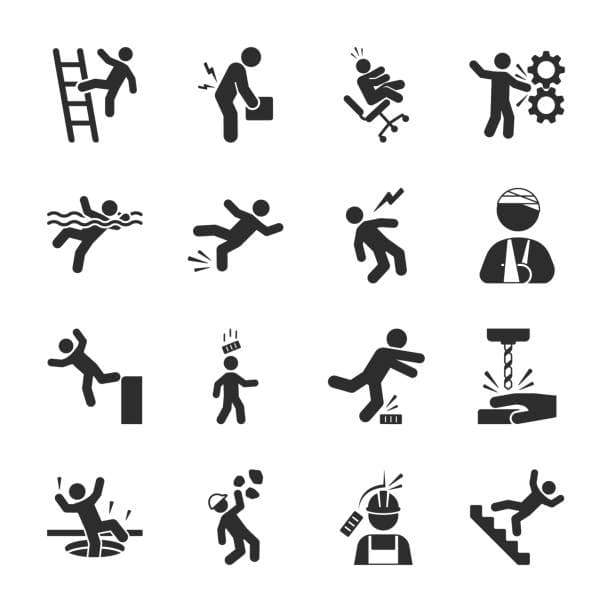
Jobs requiring heavy lifting, pushing, pulling, twisting, or long, sedentary periods (desk work) strain the back.
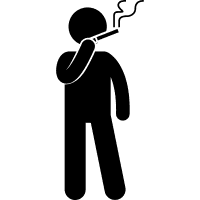
Smoking reduces blood flow to the spine, increases coughing (which can cause herniated discs), and increases the risk of osteoporosis.
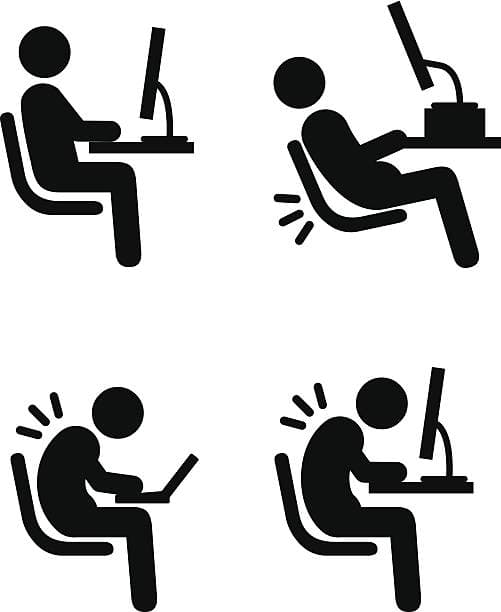
Incorrect sitting or standing posture puts unnecessary stress on the spine.
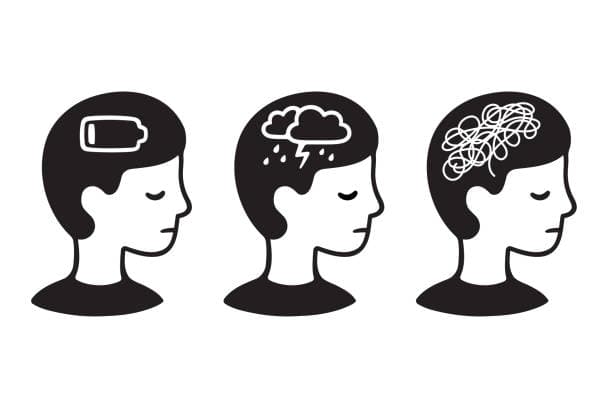
High stress, anxiety, and depression are linked to higher incidences of back pain.
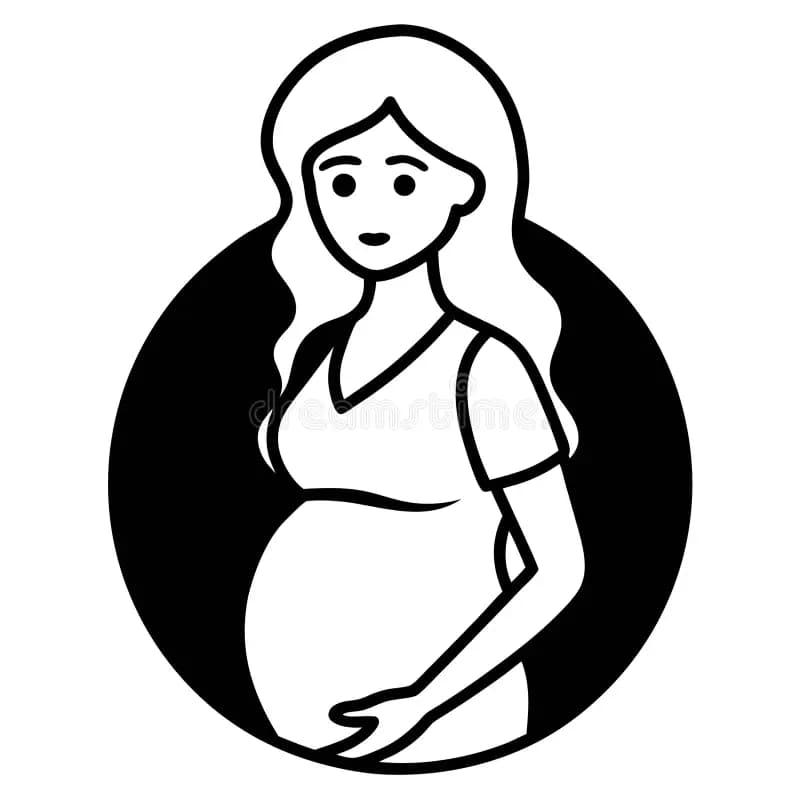
Physical changes and added weight during pregnancy can lead to back pain.
Risk Factors: Being overweight, inactive, or smoking increases the risk.
Myth: "I need an X-ray or MRI." Fact: Diagnostic imaging is rarely needed for initial back pain, as most pain is muscular, not structural.

Qualifications: BHMS.(FMHMC), MSc Psychology and Counselling, PG Diploma in Guidance and Counselling, Diploma Interactive Drawing Therapy (IDT), Cognitive Behavioural Therapy (CBT), De‑addiction Training (NIMHANS).

Qualifications: BHMS

Qualifications: BHMS (Homeo), MSc Psychology, PG Diploma in Guidance & Counselling, Diploma in Nutrition and Health Education, Bachelor of Health Science Public Health (Canada), Certified Public Health Inspector of Canada.