Loading...
Loading...
Loading...
Intervertebral Disc Prolapse (IVDP), or a herniated/slipped disc, occurs when the soft inner gel (nucleus pulposus) of a spinal disc pushes through a tear in the outer ring (annulus fibrosus).
Intervertebral Disc Prolapse (IVDP), commonly known as a slipped or herniated disc, is a spinal condition where the soft, inner gel-like core (nucleus pulposus) of a disc protrudes through a tear in its tough outer layer (annulus fibrosus). This prolapse typically compresses nearby spinal nerves, causing severe pain, numbness, tingling, or weakness in the back, neck, arms, or legs.
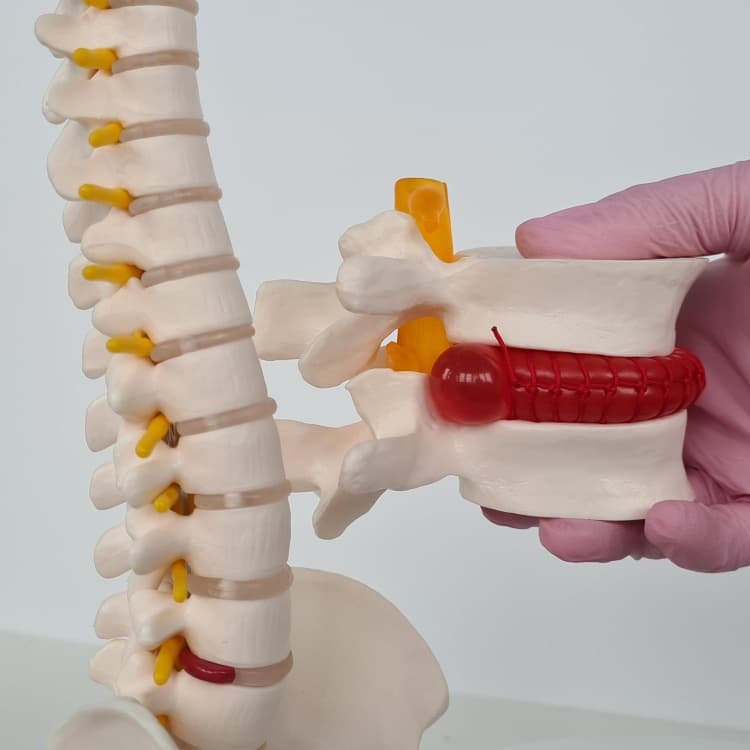
Homeopathy approaches Intervertebral Disc Prolapse (IVDP) or slipped discs by utilizing an individualized, holistic approach aimed at reducing pain, inflammation, and nerve compression, potentially avoiding the need for surgery in some cases.
Recognizing early symptoms can help identify health issues sooner and ensure timely medical care.
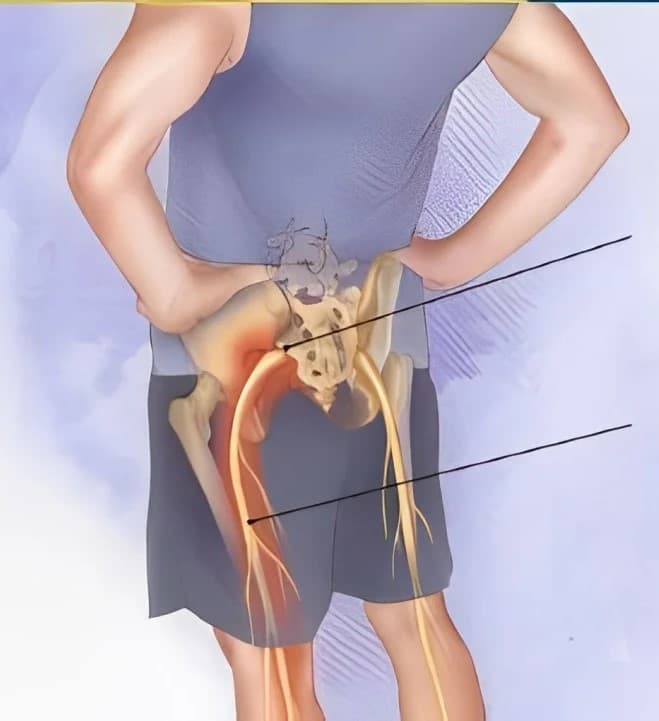
Pain Radiating Down Limbs: For lumbar herniation, pain often shoots down the buttocks, thigh, and calf (sciatica). For cervical herniation, pain radiates into the shoulders and arms.
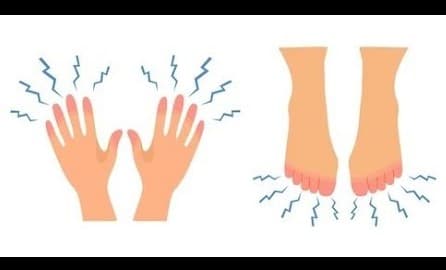
A "pins and needles" sensation often occurs in the affected arm or leg.
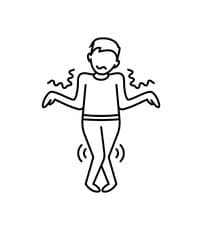
Muscles served by the affected nerve may weaken, causing trouble lifting items or walking.
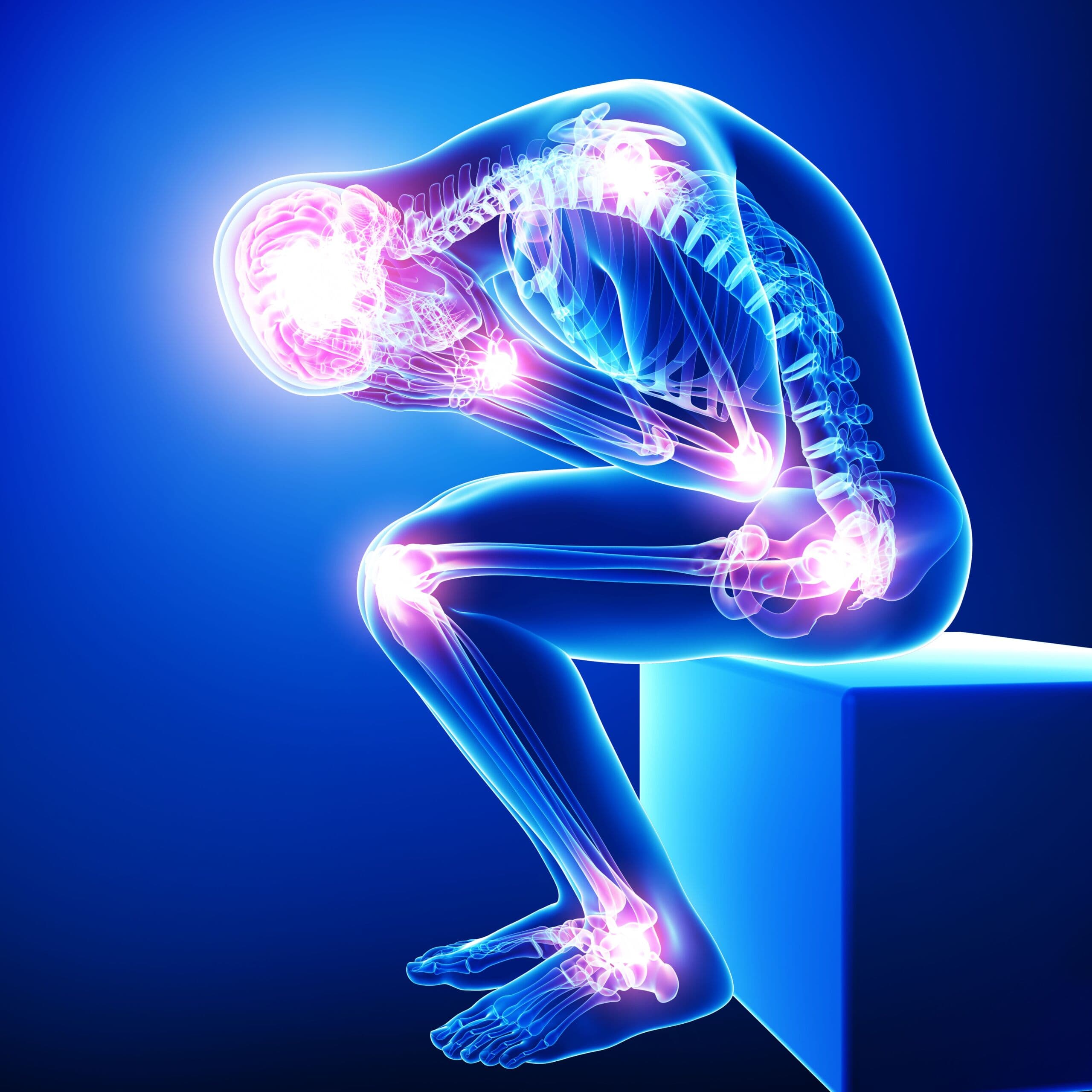
Pain Intensity Changes: Pain is often aggravated by sneezing, coughing, or specific movements.
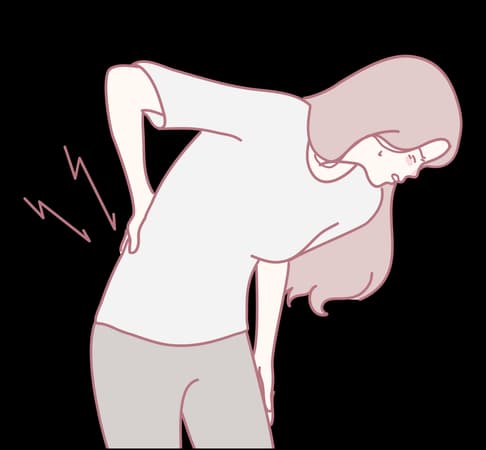
Reduced Mobility: Stiffness in the neck or back and a decreased range of motion
Understanding the underlying causes helps doctors diagnose conditions accurately and choose the most effective treatment.
Age-Related Degeneration: As people age, discs lose moisture, becoming less flexible and more prone to tearing under minor stress.
Physical Strain & Improper Lifting: Lifting heavy objects using back muscles rather than leg muscles, or twisting while lifting, can rupture a disc.
Excess body weight increases the, stress on discs, particularly in the lower back.
Reduces oxygen supply to the discs, causing them to degenerate faster.

Hereditary factors can predispose individuals to weak discs.
Sedentary Lifestyle & Driving: Prolonged sitting, especially combined with the vibration from driving vehicles, puts constant pressure on the spine.
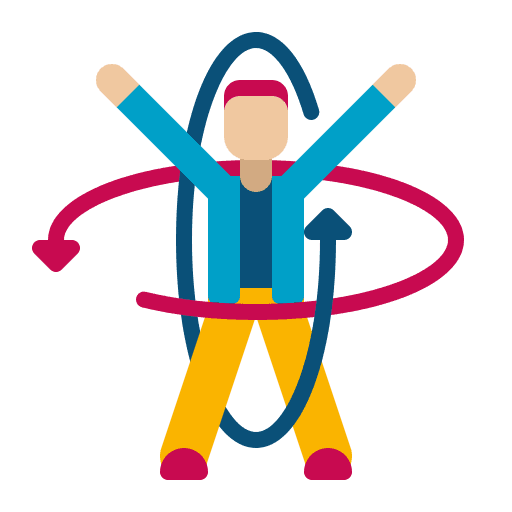
Repetitive Motions: Occupations or activities requiring constant bending, pulling, or twisting.
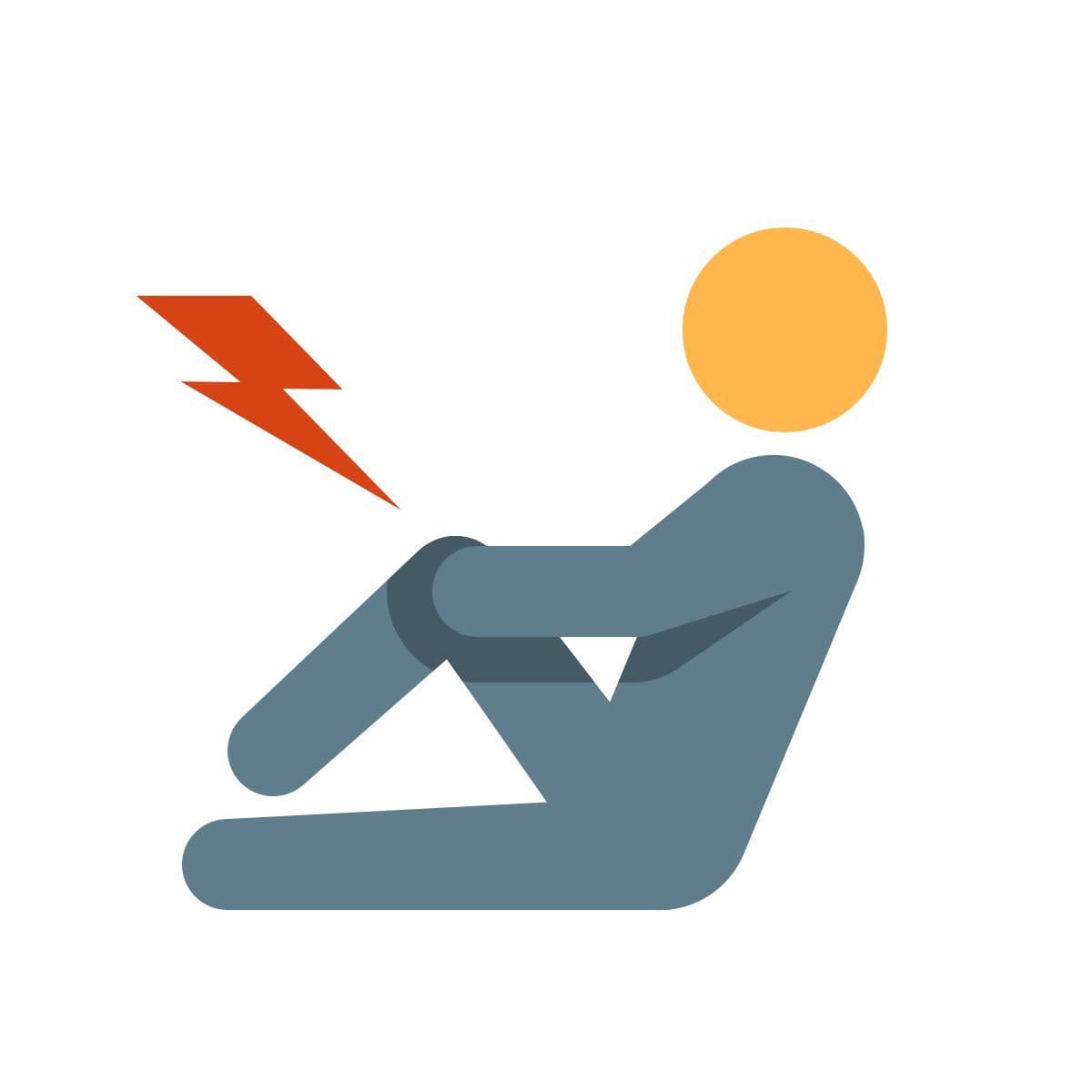
Sudden injuries from falls, sports, or accidents.
Certain lifestyle habits, health conditions, or environmental factors may increase the likelihood of developing this condition.
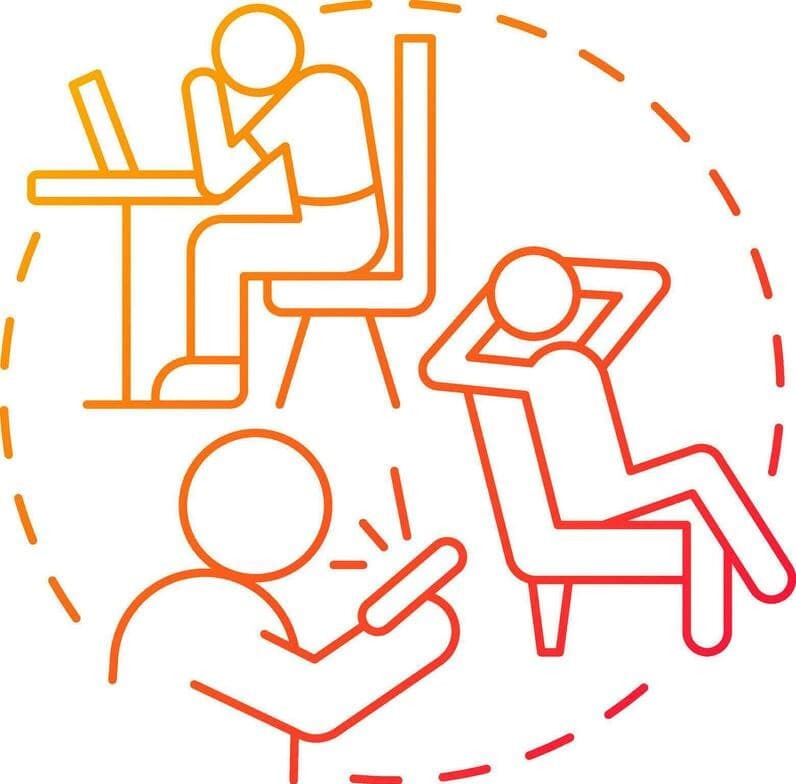
Sedentary Lifestyle & Driving: Prolonged sitting, especially combined with the vibration from driving a motor vehicle, significantly increases stress on the lumbar spine.
Men are more commonly affected than women, often due to higher rates of occupational risk factors.

Some individuals have a higher inherited susceptibility to developing a disc prolapse.
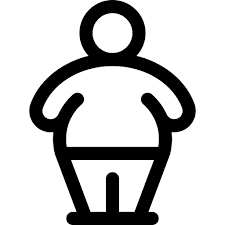
Excess body weight puts immense stress on the spine, particularly in the lower back (lumbar) region.
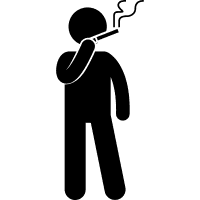
Tobacco use reduces oxygen supply to the discs, causing them to degenerate faster.

Occupation & Physical Load: Jobs requiring repetitive lifting, pulling, pushing, bending sideways, and twisting are major contributors. This includes heavy manual labor.
Aging & Degeneration: As people age (most common between 30 and 50), natural degenerative processes make discs weaker and less flexible, increasing the likelihood of damage.
Important highlights and key medical insights about this condition.
Alternative Names: Slipped disc, Herniated disc, Prolapsed Intervertebral Disc (PIVD), Ruptured disc.
What Happens: The jelly-like core (nucleus pulposus) protrudes through a tear in the outer ring (annulus fibrosus).
Most Common Location: Lower back (lumbar spine), followed by the neck (cervical spine).
Major Causes/Risk Factors: Lifting heavy objects incorrectly, sedentary lifestyle, obesity, smoking, and traumatic injuries.
Diagnosis: Primarily confirmed via MRI scan, sometimes with a CT scan or electromyography (EMG).
Prevention: Maintaining a healthy weight, regular exercise to strengthen core muscles, and using proper lifting techniques (lifting with legs, not back).
Learn more about this speciality and how our experts help you achieve better health outcomes.
Intervertebral Disc Prolapse (IVDP) primarily affects adults aged 30–50, with a higher prevalence in males, frequently impacting those with physically demanding jobs, high body weight, or sedentary, driving-intensive lifestyles.
See a doctor immediately for Intervertebral Disc Prolapse (IVDP) if you experience numbness around the buttocks/genitals, inability to urinate (or incontinence), or sudden, severe leg weakness.
Connect with experienced doctors who specialize in treating this condition and receive professional medical guidance.

Qualifications: BHMS.(FMHMC), MSc Psychology and Counselling, PG Diploma in Guidance and Counselling, Diploma Interactive Drawing Therapy (IDT), Cognitive Behavioural Therapy (CBT), De‑addiction Training (NIMHANS).

Qualifications: BHMS

Qualifications: BHMS (Homeo), MSc Psychology, PG Diploma in Guidance & Counselling, Diploma in Nutrition and Health Education, Bachelor of Health Science Public Health (Canada), Certified Public Health Inspector of Canada.