
Loading...
Loading...
Loading...
Adult ADHD is a neurodevelopmental disorder characterized by persistent inattention, hyperactivity, and impulsivity that impairs daily functioning.
Adults with ADHD often have a history of poor academic performance, work problems, or strained relationships. They may find it challenging to stay organized, stick to a job, keep appointments, perform daily tasks, or complete large projects. It often stats from childhood.

Homeopathy is used as a complementary or alternative approach for Adult ADHD, aiming to manage symptoms such as inattention, impulsivity, and restlessness by focusing on the individual's overall physical and mental state. It offers a natural, individualized, and non-toxic approach designed to address the root causes of behavior rather than just suppressing symptoms.
Recognizing early symptoms can help identify health issues sooner and ensure timely medical care.
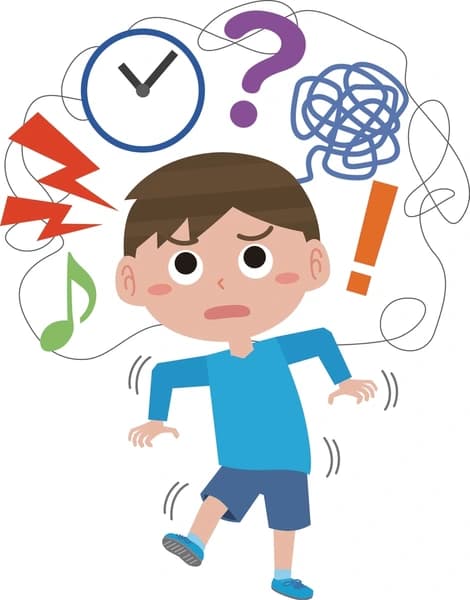
Inner Restlessness: Feeling "driven by a motor" or unable to relax even when sitting still.
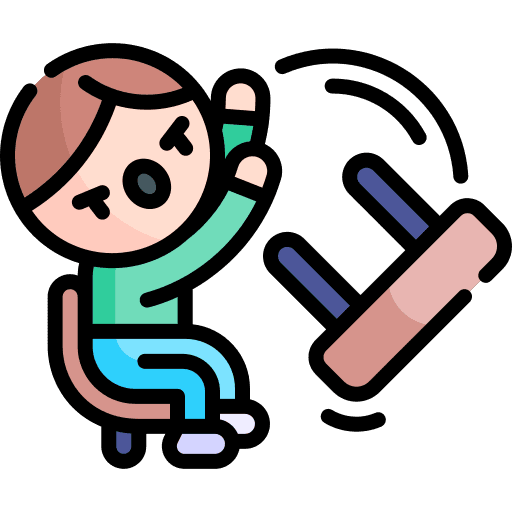
Impulsive Decisions: Spending money impulsively, quitting jobs suddenly, or acting without considering long-term consequences.

Disorganisation, Forgetfulness,

Consistently running late, underestimating how long tasks take, and struggling with deadlines.
Focus Issues: Difficulty staying focused during long meetings or while reading dense material, yet sometimes "hyper-focusing" on hobbies for hours.
Tapping feet, playing with pens, or a constant need to move around during quiet activities.

Excessive Talking: Interrupting others, finishing their sentences, or talking more than is socially expected.
Emotional Sensitivity: Experiencing intense mood swings, low frustration tolerance, or overreacting to small criticisms.

Risk-Taking: A higher tendency to engage in risky behaviours, such as reckless driving or substance misuse as a form of "self-medicating".
Understanding the underlying causes helps doctors diagnose conditions accurately and choose the most effective treatment.

ADHD is highly hereditary, often running in families. Studies indicate a twofold to eightfold higher risk for siblings or parents of affected individuals.
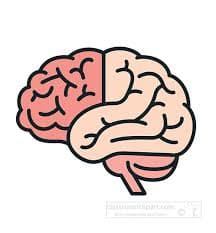
Brain Function/Structure: Imaging studies suggest differences in brain development, including smaller areas in certain regions and imbalanced neurotransmitter levels (such as dopamine and noradrenaline), which affect attention and impulse regulation.

These include exposure to toxic substances (like lead) at a young age, premature birth, low birth weight, and prenatal exposure to alcohol or nicotine.
Certain lifestyle habits, health conditions, or environmental factors may increase the likelihood of developing this condition.

Genetics play a major role; individuals with a parent or sibling with ADHD have a much higher likelihood of having the condition.

Exposure to Toxins: Prenatal exposure to tobacco and alcohol.
Being born prematurely (before 37 weeks).

Lower birth weight is associated with higher risk.
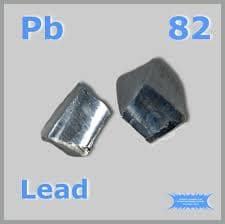
Lead Exposure: Early childhood exposure to toxins like lead or pesticides.
Brain Injury: Mild traumatic brain injury (mTBI).
Childhood Trauma: History of abuse or neglect.
Neurobiological Factors: Differences in brain chemistry, including issues with the neurotransmitter dopamine.
Important highlights and key medical insights about this condition.
Symptoms Often Change: Hyperactivity in children often shifts to internal restlessness or mental fatigue in adults.
Common Signs: Chronic disorganization, forgetfulness, poor time management, difficulty focusing, and impulsivity.
Co-existing Conditions: Frequently co-exists with anxiety, depression, or sleep disorders.
Diagnostic Criteria: Adults must show persistent symptoms that impair functioning, with evidence of symptoms present before age 12.
Brain Function: It is a neurological disorder, not a result of laziness, often involving differences in brain areas responsible for impulse control and attention.
Learn more about this speciality and how our experts help you achieve better health outcomes.
Seek treatment for adult ADHD if you experience persistent, disruptive symptoms - such as severe disorganization, chronic forgetfulness, or impulsive behavior - that affect your work, relationships, or daily life.
Overcoming adult ADHD involves a combination of medical, behavioral, and lifestyle strategies. The most effective approach typically includes a mix of medication, psychotherapy (like Cognitive Behavioral Therapy), structured daily routines, and regular physical exercise to manage symptoms and improve executive function.
Yes, people with ADHD can lead highly fulfilling, successful, and "normal" lives. However, they often require tailored coping strategies. While ADHD can complicate career, financial, and relationship management, So they requires treatments.
Connect with experienced doctors who specialize in treating this condition and receive professional medical guidance.

Qualifications: BHMS.(FMHMC), MSc Psychology and Counselling, PG Diploma in Guidance and Counselling, Diploma Interactive Drawing Therapy (IDT), Cognitive Behavioural Therapy (CBT), De‑addiction Training (NIMHANS).

Qualifications: BHMS