Loading...
Loading...
Loading...
Attention Deficit Hyperactivity Disorder (ADHD) in children is a common neurodevelopmental disorder characterized by persistent inattention, hyperactivity, and impulsivity.
ADHD (Attention-Deficit/Hyperactivity Disorder) is a neurodevelopmental condition that affects a child’s ability to focus, control impulses, and regulate activity levels. Children with ADHD may appear unusually inattentive, restless, or impulsive compared to other children of the same age. These behaviours can affect school performance, relationships, and daily activities if not properly managed. If your child have these problem consult Doctor.

Yes. Homeopathy aims to treat ADHD in children by using individualized remedies to address symptoms like hyperactivity, impulsivity, and poor concentration, often aiming for long-term behavioral improvement. Studies indicate potential benefits in reducing ADHD symptoms, improving cognitive performance, and supporting better behavior at home and school with fewer side effects compared to conventional stimulants.
Recognizing early symptoms can help identify health issues sooner and ensure timely medical care.
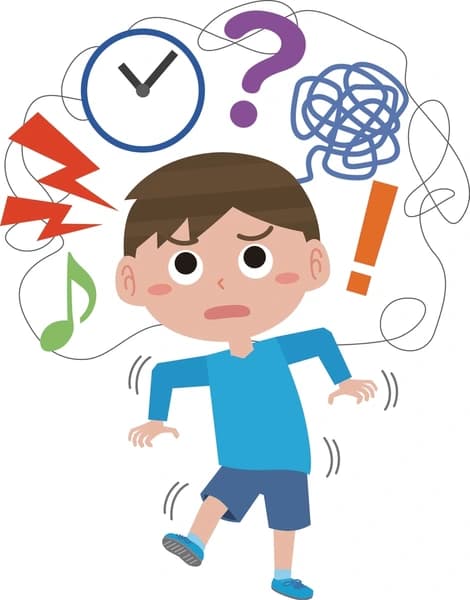
Fidgeting, tapping hands, or squirming while seated. Constantly "on the go" or moving around at inappropriate times. Running or climbing excessively when it is not appropriate. Inability to play quietly. Talking excessively.
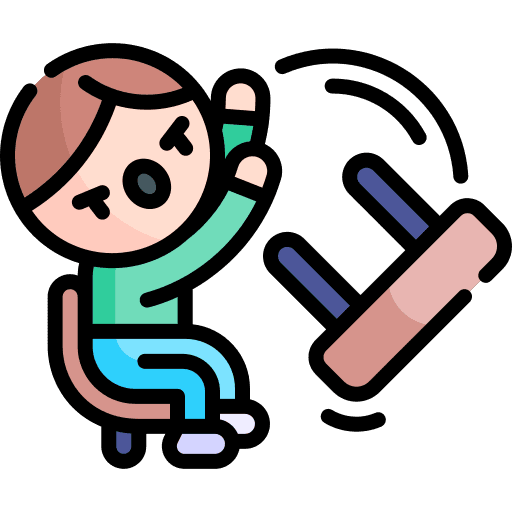
Blurting out answers before questions are completed. Difficulty waiting for their turn. Interrupting conversations or intruding on others' games. Taking unnecessary risks or acting without thinking.

Failing to pay close attention to details, making careless mistakes. Difficulty sustaining focus on tasks or play. Appearing not to listen when spoken to directly. Trouble with organization, managing time, and keeping track of items (e.g., school papers, toys). Easily distracted by unrelated thoughts or stimuli. Frequently forgetting daily activities or chores.
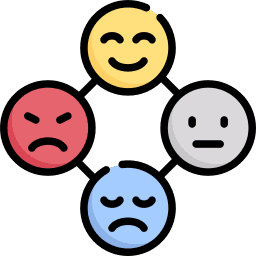
Emotional Dysregulation: Intense frustration, irritability, or emotional outbursts over small things.

Social Challenges: Difficulty getting along with peers, resulting in trouble making friends.

Academic Struggle: Poor grades and inconsistent performance due to lost focus.
Understanding the underlying causes helps doctors diagnose conditions accurately and choose the most effective treatment.
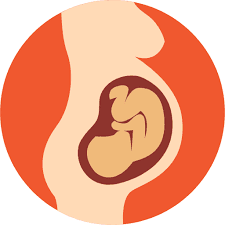
Risk factors include premature birth, low birth weight, and prenatal exposure to alcohol, tobacco, or high levels of lead.
ADHD often runs in families, and studies show it is highly inheritable, though no single gene is responsible.
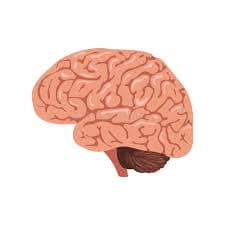
Imaging studies have shown that children with ADHD may have reduced gray/white matter volume in areas responsible for focus and behavioral control, along with lower levels of neurotransmitters like dopamine.

Exposure to environmental toxins (like lead) or severe early life stressors can contribute to symptoms.
Certain lifestyle habits, health conditions, or environmental factors may increase the likelihood of developing this condition.
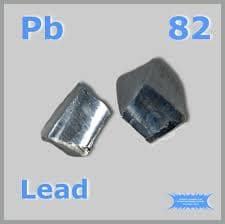
Exposure to lead (found in old paint and pipes) at a young age.
Premature birth (before 37 weeks) and low birth weight.
Family history is a major factor, as ADHD often runs in families, suggesting inherited predispositions.
Significant prenatal stress, anxiety, or depression.
Pregnancy exposures: Maternal smoking, alcohol consumption, or illicit drug use during pregnancy.
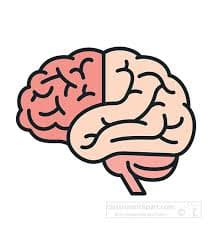
Brain Injury: Traumatic brain injury, particularly in early childhood.
While not direct causes, high-stress environments, poor nutrition, and certain food sensitivities may exacerbate symptoms.
Important highlights and key medical insights about this condition.
Core Symptoms: Divided into two main types: inattention (poor focus, losing items, disorganization) and hyperactivity/impulsivity (fidgeting, inability to stay seated, excessive talking, interrupting).
Prevalence: Boys are diagnosed about twice as often as girls, though girls may display different, less obvious symptoms.
Causes: Largely genetic/inherited, though environmental factors like premature birth or early toxin exposure (e.g., lead) play a role.
ADHD symptoms of hyperactivity and impulsivity typically peak around ages 7 to 8.
Treatment: Effective approaches include behavioral therapy, parent training, school support, and medication.
Management: While symptoms can persist into adulthood, proper treatment can dramatically improve a child's school, social, and home life.
Learn more about this speciality and how our experts help you achieve better health outcomes.
Parents should consider consulting a healthcare professional if a child’s attention problems, impulsive behaviour, or hyperactivity significantly interfere with school performance, friendships, or daily routines.
ADHD diagnosis usually involves behavioural assessments, developmental history, and input from parents and teachers. Doctors may use specific questionnaires and evaluation tools to understand the child’s symptoms and behaviour patterns.
ADHD can be officially diagnosed in children as young as 4 years old. Signs of ADHD can sometimes appear as early as preschool age. However, it is most commonly recognised once a child starts school, when attention, organisation, and behaviour expectations become more structured.
Children with ADHD may have difficulty concentrating, frequently forget instructions, lose things easily, or struggle to finish tasks. Some children may also show hyperactive behaviours such as constant movement, excessive talking, or difficulty sitting still.
ADHD looks like in a 5 year old as an inability to sit still during story time, extreme difficulty taking turns or playing quietly, and constantly abandoning tasks midway.
ADHD cannot be cured in children, but it is highly manageable. With a combination of behavioral therapy, medication, parent training, and school support, children can successfully manage their symptoms, improve focus, and lead healthy, productive lives.
Connect with experienced doctors who specialize in treating this condition and receive professional medical guidance.

Qualifications: BHMS.(FMHMC), MSc Psychology and Counselling, PG Diploma in Guidance and Counselling, Diploma Interactive Drawing Therapy (IDT), Cognitive Behavioural Therapy (CBT), De‑addiction Training (NIMHANS).

Qualifications: BHMS