Loading...
Loading...
Loading...
Counselling for violence and abuse focuses on supporting individuals who have experienced physical, emotional, or psychological harm. It provides a safe, confidential space to process trauma, rebuild self-esteem, and learn coping strategies. The goal is to empower survivors, help them regain control over their lives, and prevent cycles of abuse.
Counselling helps survivors by offering emotional support, validating their experiences, and teaching healthy coping mechanisms. It can reduce feelings of shame, fear, and isolation while promoting recovery. Counsellors also assist in developing safety plans and connecting individuals with resources such as legal aid, shelters, or support groups.

Counselling is valuable for both survivors and perpetrators. Survivors gain healing and empowerment, while abusers can address underlying issues such as anger, control, or past trauma. With professional guidance, perpetrators may learn healthier ways to manage emotions and relationships, reducing the risk of repeated violence.
Connect with experienced doctors who specialize in treating this condition and receive professional medical guidance.
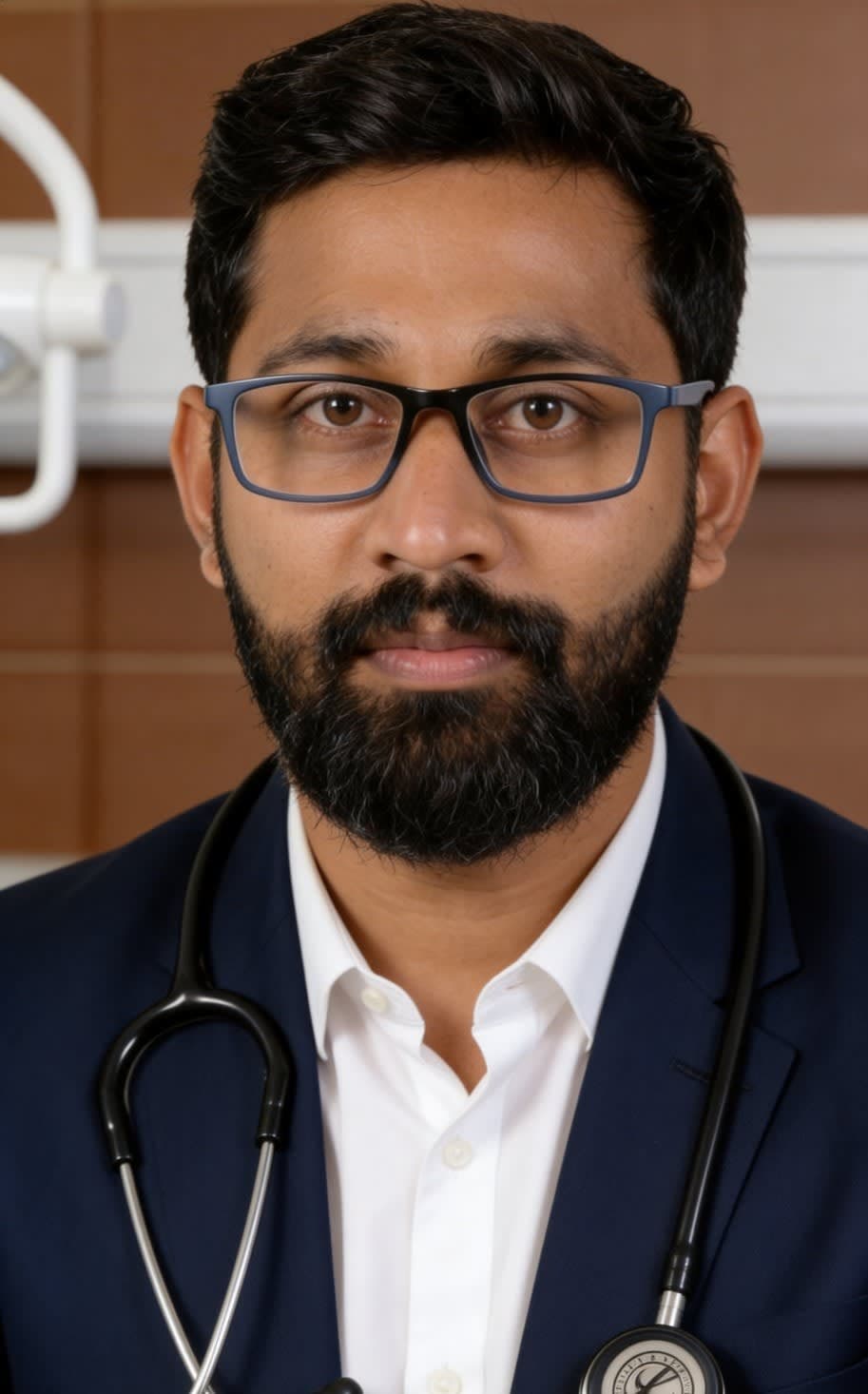
Qualifications: BHMS.(FMHMC), MSc Psychology and Counselling, PG Diploma in Guidance and Counselling, Diploma Interactive Drawing Therapy (IDT), Cognitive Behavioural Therapy (CBT), De‑addiction Training (NIMHANS).

Qualifications: MA Psychology (Pursuing), Advanced Diploma in Counseling Psychology, Auxiliary Nurse & Midwife, Diploma in Hospital Administration, Relaxation Therapy, Child Psychology.