Loading...
Loading...
Loading...
Counselling for panic disorder focuses on helping individuals manage sudden episodes of intense fear, anxiety, or physical symptoms such as rapid heartbeat and shortness of breath. Effective therapies often include cognitive-behavioral therapy (CBT), exposure therapy, and relaxation techniques, which aim to reduce the frequency and severity of panic attacks. Online counselling has become an accessible option, allowing individuals to receive professional support from home.
Cognitive-behavioral therapy (CBT) is widely recognized as the most effective treatment. It helps individuals identify and challenge negative thought patterns that trigger panic attacks. Exposure therapy and relaxation techniques, such as breathing exercises, can also reduce symptoms.

Online counselling provides access to trained therapists through video calls, chat, or phone sessions. It offers the same evidence-based techniques as in-person therapy, with added convenience and comfort, especially for those who feel anxious about leaving home.
Explore specific conditions and related treatments.

Counselling for panic disorder focuses on helping individuals manage sudden episodes of intense fear, physical discomfort, and overwhelming anxiety. Panic attacks often involve rapid heartbeat, shortness of breath, dizziness, and a sense of losing control. Effective therapies, including cognitive-behavioral approaches, relaxation training, and online counselling, provide structured support to reduce the frequency and intensity of panic episodes. Breathing techniques are a key part of panic management, helping individuals regain control during attacks and prevent escalation.

Counselling for panic disorder often addresses two common concerns: the fear of losing control during an attack and the fear of fainting. Panic attacks can feel overwhelming, with symptoms such as dizziness, rapid heartbeat, and a sense of detachment, which may lead individuals to believe they are about to faint or lose control of themselves. Counselling provides reassurance, education about the body’s stress response, and practical coping strategies.
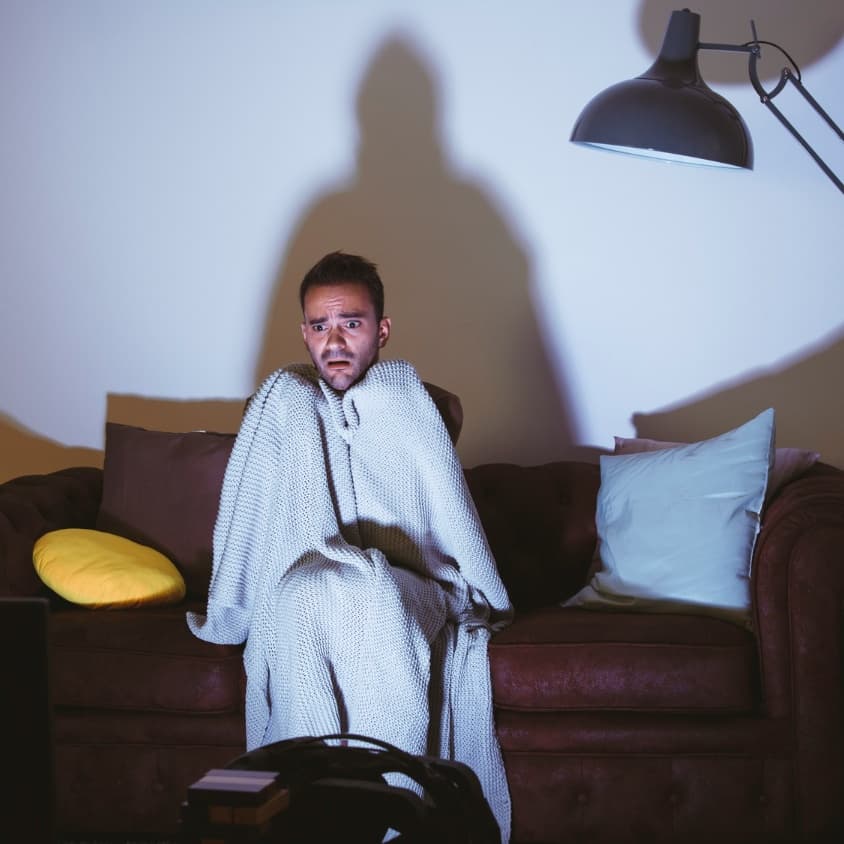
Counselling for nocturnal panic attacks focuses on supporting individuals who experience sudden episodes of intense fear and physical discomfort during sleep. These attacks often wake people abruptly with symptoms such as rapid heartbeat, sweating, shortness of breath, and a sense of dread. Because they occur at night, they can disrupt sleep patterns, increase fatigue, and heighten anxiety about bedtime. Counselling provides education about the body’s stress response, reassurance that nocturnal panic attacks are not dangerous, and practical coping strategies such as relaxation techniques, breathing exercises, and sleep hygiene practices.

Counselling for panic disorder often overlaps with health-related anxiety, also known as hypochondria. Individuals experiencing this condition frequently misinterpret normal bodily sensations as signs of serious illness, which can trigger panic attacks and constant worry. Counselling provides education about the body’s stress response, reassurance to reduce catastrophic thinking, and practical coping strategies such as mindfulness, breathing exercises, and cognitive restructuring.

Counselling for panic disorder often addresses the challenges individuals face in social situations, where fear of judgment or embarrassment can trigger panic attacks. These triggers may include crowded places, public speaking, or unfamiliar environments. Counselling provides education about the body’s stress response, helps identify personal triggers, and teaches coping strategies such as grounding techniques, controlled breathing, and gradual exposure.

Counselling for panic disorder often addresses agoraphobia, a condition where individuals fear situations or places where escape might feel difficult, such as crowded areas, public transport, or open spaces. This fear can lead to avoidance behavior, where people restrict their activities and isolate themselves to prevent panic attacks. Counselling provides education about the body’s stress response, reassurance that avoidance reinforces anxiety, and structured therapies such as Cognitive Behavioral Therapy (CBT), exposure therapy, and relaxation techniques.

Counselling for panic disorder often addresses anticipatory anxiety, the persistent fear of experiencing future panic attacks. This fear can be as distressing as the attacks themselves, leading individuals to avoid certain places, situations, or activities. Counselling provides education about the body’s stress response, reassurance that anticipatory anxiety is a learned pattern, and practical coping strategies such as mindfulness, breathing techniques, and gradual exposure.

Counselling for panic disorder often focuses on managing sudden panic attacks, which can occur without warning and bring intense physical symptoms such as rapid heartbeat, chest pain, dizziness, sweating, or shortness of breath. These sensations can feel overwhelming and may lead individuals to fear serious medical issues. Counselling provides reassurance that these symptoms are part of the body’s stress response, not life-threatening, and teaches practical coping strategies like controlled breathing, grounding techniques, and cognitive restructuring.
Learn more about this speciality and how our experts help you achieve better health outcomes.
Many people experience significant improvement, and some achieve full recovery. While progress varies, counselling can reduce the intensity and frequency of panic attacks, improve coping skills, and restore confidence in daily life.
Yes. Research shows that online counselling can be just as effective as face-to-face therapy for panic disorder, provided the sessions are regular and the therapist uses proven approaches like CBT. The key is consistency and active participation.
Connect with experienced doctors who specialize in treating this condition and receive professional medical guidance.

Qualifications: BHMS.(FMHMC), MSc Psychology and Counselling, PG Diploma in Guidance and Counselling, Diploma Interactive Drawing Therapy (IDT), Cognitive Behavioural Therapy (CBT), De‑addiction Training (NIMHANS).

Qualifications: MA Psychology (Pursuing), Advanced Diploma in Counseling Psychology, Auxiliary Nurse & Midwife, Diploma in Hospital Administration, Relaxation Therapy, Child Psychology.