Loading...
Loading...
Loading...
Counselling for social anxiety and shyness focuses on supporting individuals who struggle with fear of judgment, difficulty initiating conversations, or discomfort in social settings. These challenges often lead to avoidance of social opportunities, low self-esteem, and feelings of isolation. Counselling provides a safe environment to explore these emotions, challenge negative thought patterns, and practice gradual exposure to social situations.
Shyness is a personality trait marked by discomfort in social situations, while social anxiety is a more intense, persistent fear of being judged or embarrassed. Counselling helps individuals manage both by building coping strategies and confidence.
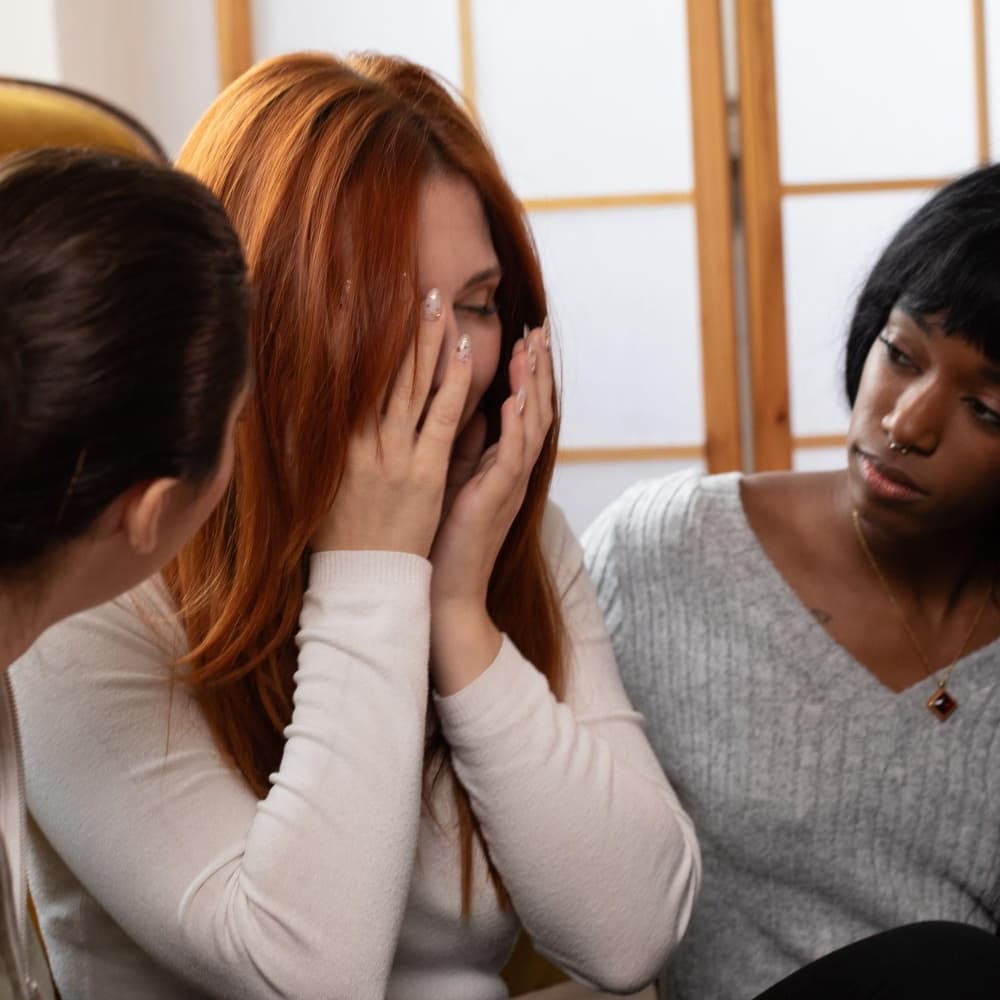
Counselling teaches relaxation techniques, cognitive restructuring, and gradual exposure to social scenarios. It also provides role-play exercises to practice communication in a safe, supportive environment.
Learn more about this speciality and how our experts help you achieve better health outcomes.
Shyness may not disappear entirely, but counselling helps individuals manage it effectively. With practice, they can become more comfortable in social settings and reduce the impact of shyness on their confidence.
Absolutely. By building confidence and communication skills, counselling enables individuals to participate more actively in group discussions, presentations, and collaborations, which enhances both academic and professional success.
Connect with experienced doctors who specialize in treating this condition and receive professional medical guidance.

Qualifications: BHMS.(FMHMC), MSc Psychology and Counselling, PG Diploma in Guidance and Counselling, Diploma Interactive Drawing Therapy (IDT), Cognitive Behavioural Therapy (CBT), De‑addiction Training (NIMHANS).
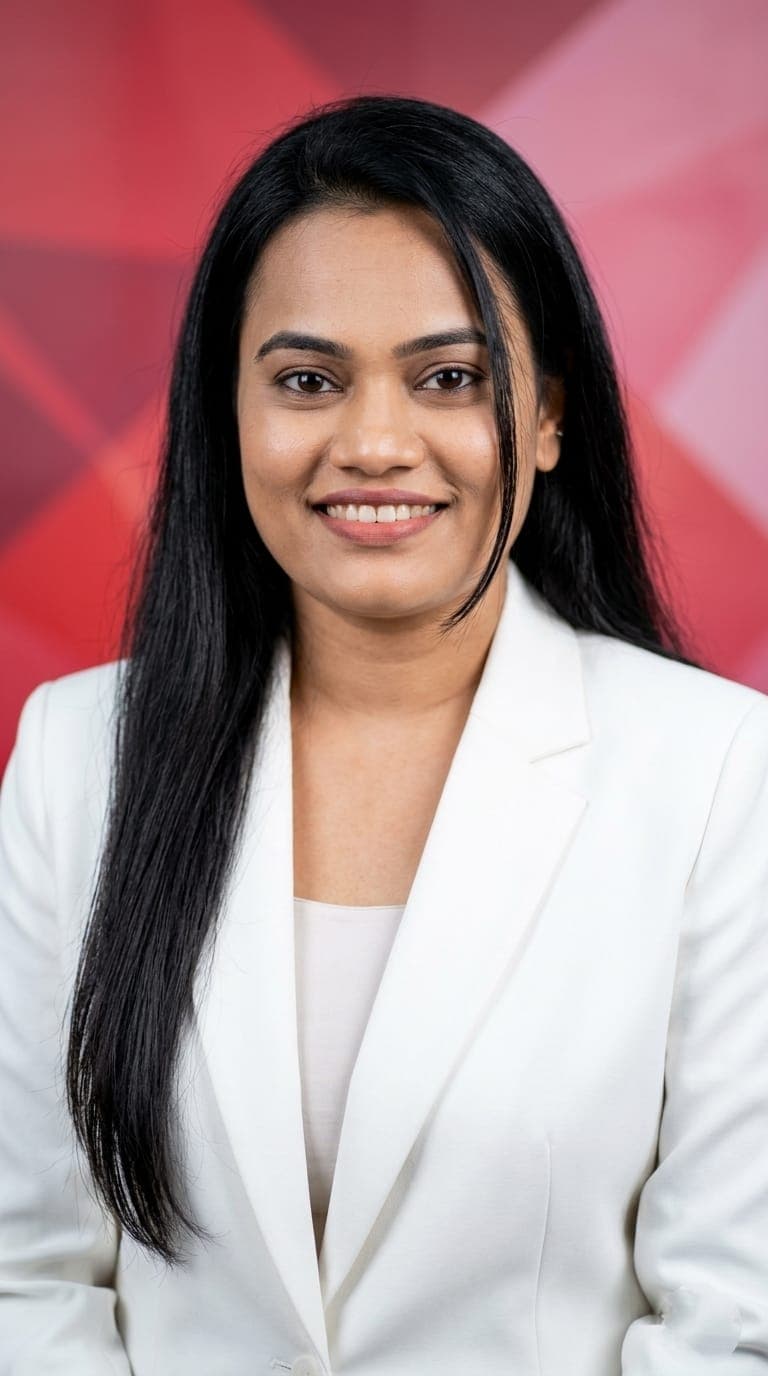
Qualifications: MA Psychology (Pursuing), Advanced Diploma in Counseling Psychology, Auxiliary Nurse & Midwife, Diploma in Hospital Administration, Relaxation Therapy, Child Psychology.