Loading...
Loading...
Loading...
Counselling for learning disabilities focuses on supporting individuals who face challenges in areas such as reading, writing, math, or comprehension. It helps them understand their unique learning styles, build confidence, and develop strategies to overcome academic and social difficulties. Counsellors often work alongside teachers, parents, and specialists to create personalized plans that foster growth, independence, and resilience.
A learning disability is a neurological condition that affects how a person processes information. It can impact skills like reading (dyslexia), writing (dysgraphia), or math (dyscalculia), but it does not reflect intelligence or potential.

Counselling provides emotional support, helps individuals cope with frustration, and teaches strategies to manage challenges. It also encourages self-advocacy and works with families and schools to create supportive environments.
Explore specific conditions and related treatments.
Counselling for mathematics remediation and pre-math skill development focuses on supporting learners who struggle with math due to learning disabilities such as dyscalculia or related challenges. These difficulties often affect number sense, problem-solving, and confidence in handling mathematical tasks. Counselling provides structured interventions, personalized strategies, and skill-building exercises to strengthen foundational abilities like counting, sequencing, spatial awareness, and logical reasoning.
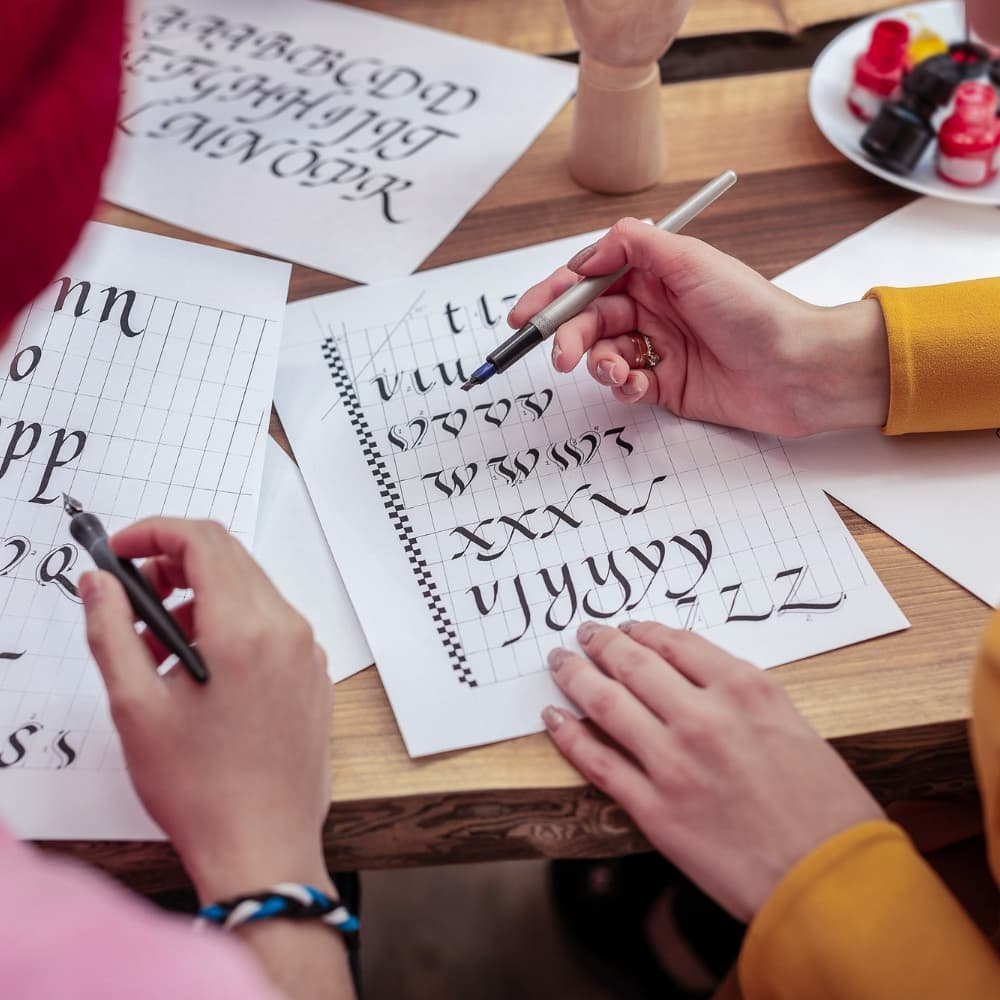
Counselling for spelling and handwriting improvement in the context of learning disabilities focuses on helping learners overcome difficulties such as dyslexia, dysgraphia, or related challenges. These issues often affect written communication, academic performance, and self-confidence. Counselling provides structured interventions, multisensory techniques, and personalized strategies to strengthen spelling accuracy, handwriting fluency, and overall literacy skills.
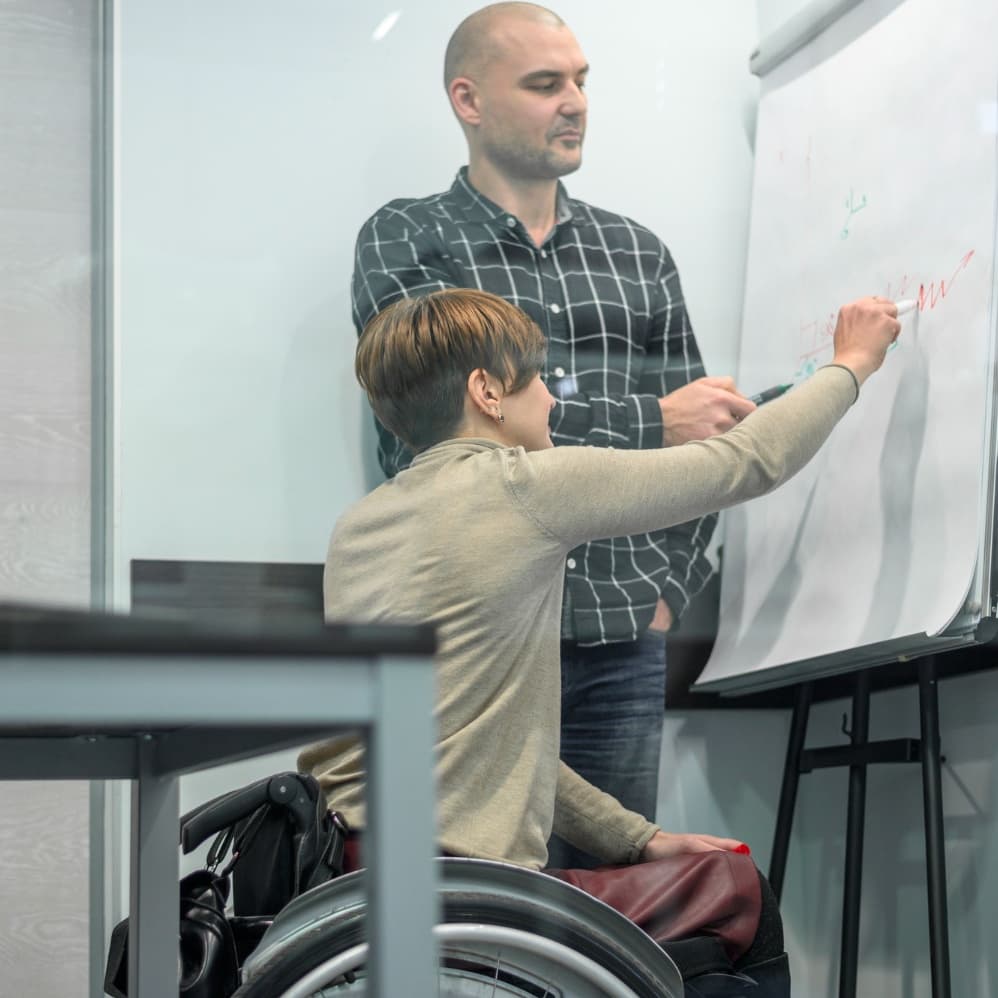
Counselling for learning disability (LD) assessment and support focuses on identifying specific challenges learners face in areas such as reading, writing, spelling, or mathematics. Early and accurate assessment is crucial to understanding the nature of the disability and tailoring interventions accordingly. Counselling provides guidance for families, educators, and learners by offering structured support plans, coping strategies, and emotional encouragement.

Counselling for remediation in dyslexia, dysgraphia, and dyscalculia focuses on providing tailored support to learners who struggle with reading, writing, and mathematics due to specific learning disabilities. These conditions affect core academic skills and often lead to frustration, low confidence, and anxiety. Remediation programs combine multisensory techniques, structured interventions, and emotional support to strengthen literacy, numeracy, and written communication.

Counselling for reading and writing remediation programs focuses on supporting learners who face challenges such as dyslexia, dysgraphia, or related learning disabilities. These difficulties often affect literacy development, comprehension, and written expression, leading to frustration and reduced confidence. Remediation programs provide structured, multisensory approaches to strengthen phonics, vocabulary, sentence construction, and comprehension skills.
Learn more about this speciality and how our experts help you achieve better health outcomes.
Yes, learning disabilities are typically lifelong. However, with counselling, tailored teaching methods, and coping strategies, individuals can manage their difficulties effectively and succeed academically, professionally, and socially.
Absolutely. Parent and teacher involvement is crucial. Counselling often includes guidance for caregivers and educators on how to support the child, adapt teaching methods, and create a positive learning environment.
Connect with experienced doctors who specialize in treating this condition and receive professional medical guidance.

Qualifications: MA Psychology (Pursuing), Advanced Diploma in Counseling Psychology, Auxiliary Nurse & Midwife, Diploma in Hospital Administration, Relaxation Therapy, Child Psychology.