Loading...
Loading...
Loading...
Bullying or ragging involves repeated behaviour—verbal, physical, social, or online—that humiliates, intimidates, or harms another person. It creates an environment of fear, shame, and power imbalance. Even when framed as “jokes,” “tradition,” or “discipline,” the impact can be deeply damaging.
Bullying can leave lasting emotional marks because it targets a person’s sense of safety and self‑worth. Common effects include: - anxiety, fear, or hypervigilance - sadness, loneliness, or withdrawal - loss of confidence or self‑esteem - difficulty concentrating or performing at school/work - feeling ashamed, confused, or powerless
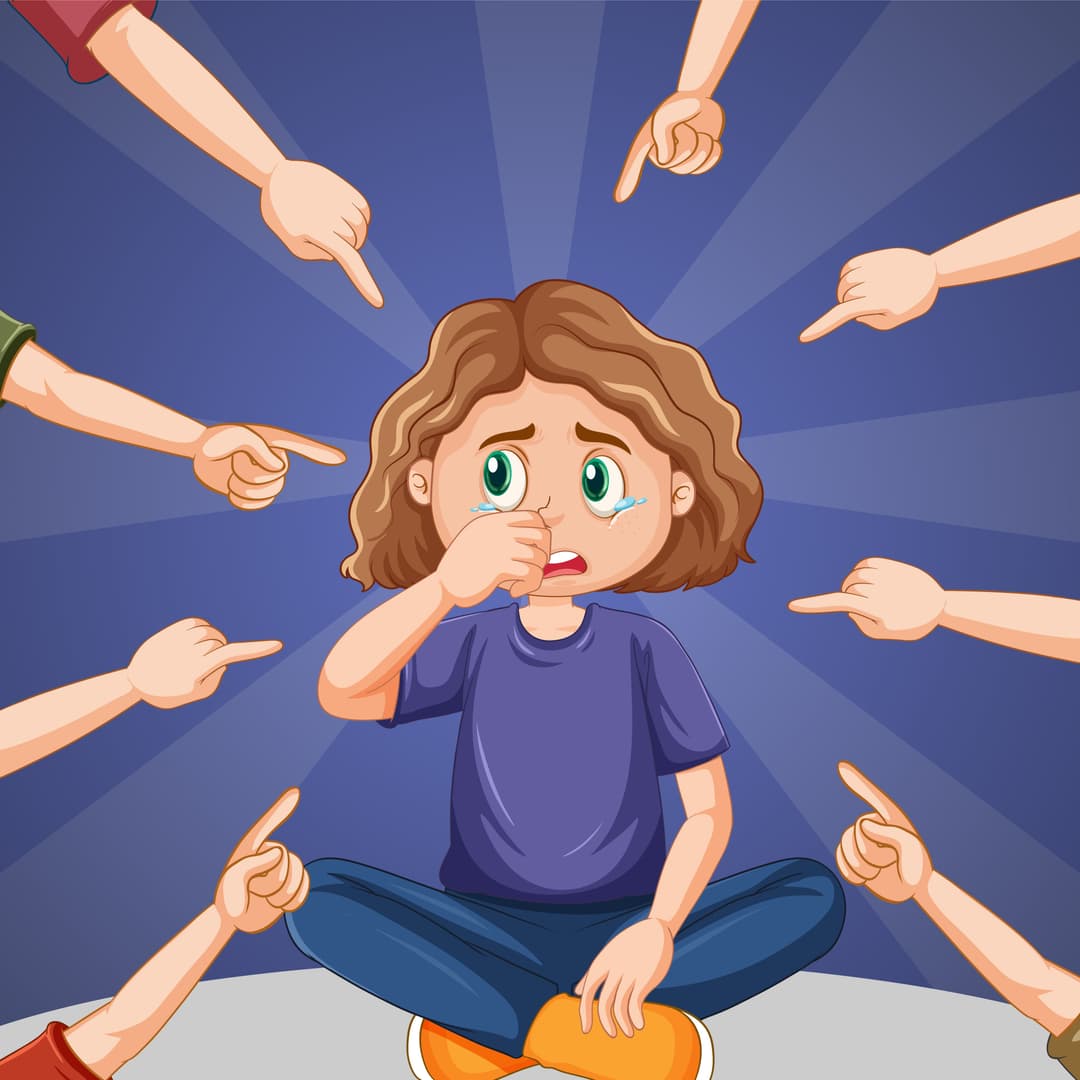
Silence is often a survival strategy, not a sign of weakness. People may stay quiet because they fear retaliation, don’t want to be seen as “overreacting,” or worry they won’t be believed. Some feel embarrassed or blame themselves, even though the responsibility always lies with the person doing the bullying. Reaching out for support can feel difficult, but it can also be a powerful step toward safety and healing. If the situation feels unsafe or overwhelming, connecting with a mental health professional or someone supportive can help you navigate what to do next.
Connect with experienced doctors who specialize in treating this condition and receive professional medical guidance.

Qualifications: BHMS.(FMHMC), MSc Psychology and Counselling, PG Diploma in Guidance and Counselling, Diploma Interactive Drawing Therapy (IDT), Cognitive Behavioural Therapy (CBT), De‑addiction Training (NIMHANS).

Qualifications: MA Psychology (Pursuing), Advanced Diploma in Counseling Psychology, Auxiliary Nurse & Midwife, Diploma in Hospital Administration, Relaxation Therapy, Child Psychology.