Loading...
Loading...
Loading...
Agro Homeopathy is a branch of homeopathy that uses potentized substances to treat diseases in plants, crops, and trees. Its Goal is to strengthen the plant from the inside out, making them resistant to pests and disease, and to increase nutrient absorption
Agro Homeopathy is the application of homeopathic principles to agriculture. It uses highly diluted natural substances to improve plant health, enhance soil quality, and manage pests or diseases without relying on chemical fertilizers or pesticides. The goal is to promote sustainable farming by strengthening plants’ natural resistance.
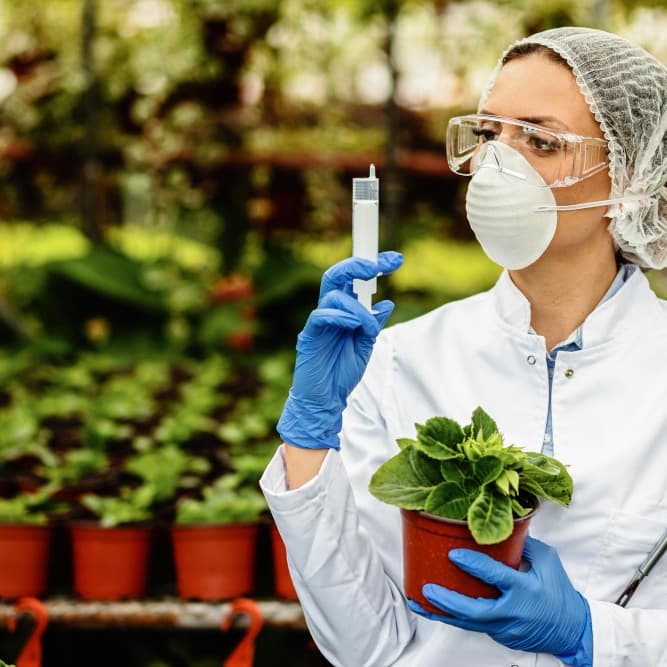
Agro Homeopathy offers eco-friendly solutions that reduce dependency on chemical inputs, lower farming costs, and minimize environmental damage. By improving soil fertility and plant resilience, it supports healthier crops and can contribute to long-term sustainability in agriculture.
Explore specialised treatment areas under Agro Homeopathy.
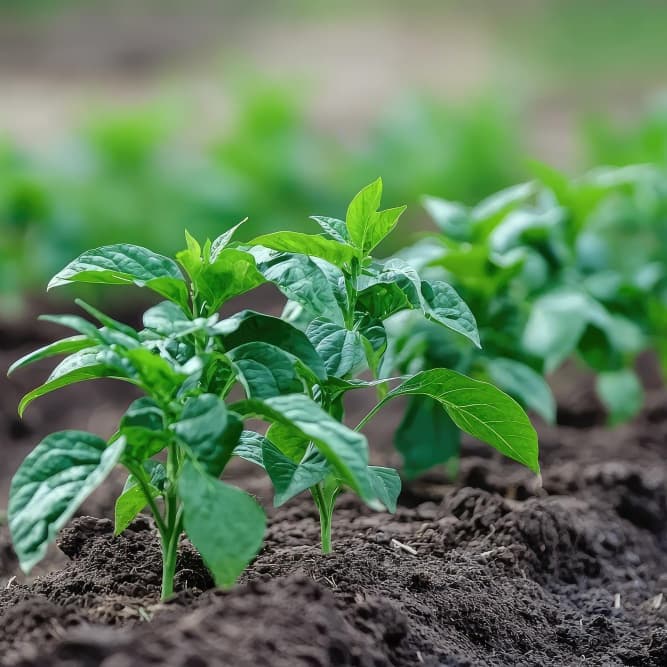
Agricultural plants are crops cultivated for food, fiber, fodder, and industrial use. They form the foundation of farming systems worldwide, providing essential nutrition, raw materials, and economic value. Healthy agricultural plants depend on fertile soil, balanced nutrition, water availability, and resilience against pests and environmental stress. Sustainable practices, including Agro Homeopathy, are increasingly used to strengthen plant vitality, reduce chemical dependency, and maintain ecological balance.
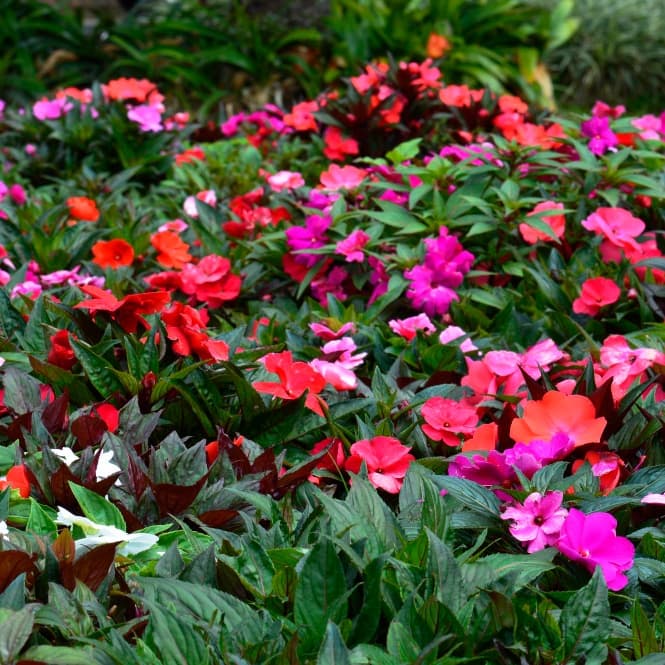
Flowering plants, also known as angiosperms, are the largest group in the plant kingdom. They produce flowers for reproduction, which later develop into fruits and seeds. In farming, maintaining the health of flowering plants is crucial for productivity, pollination, and biodiversity. Agro Homeopathy is sometimes used to strengthen flowering plants, improve soil fertility, and protect them from pests and environmental stress in an eco-friendly way.
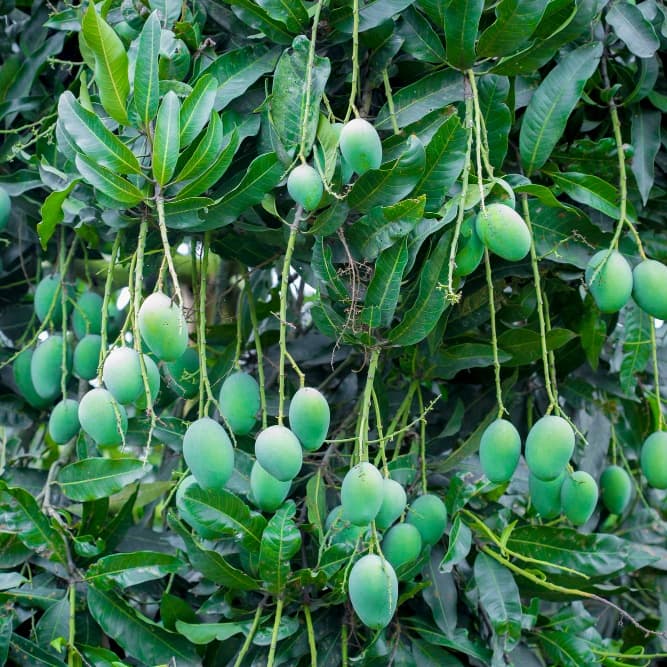
Fruit plants are agricultural crops that produce edible fruits, providing essential vitamins, minerals, and fiber for human nutrition. Fruit plants are vital in agriculture not only for food security but also for economic value, as fruits are widely traded and exported. Maintaining their health requires fertile soil, proper irrigation, pest management, and resilience against environmental stress. Agro Homeopathy is used to strengthen fruit plants naturally, improve flowering and fruiting, and protect them from diseases in an eco-friendly way.
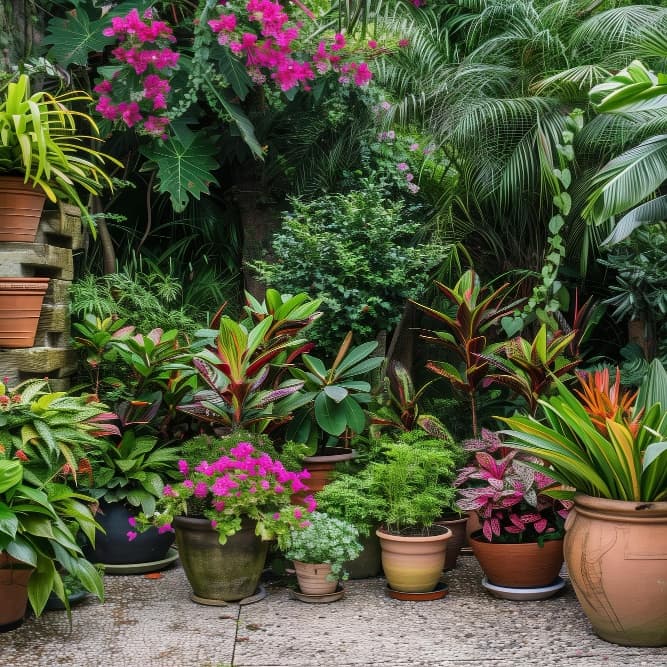
Garden plants include ornamental flowers, shrubs, herbs, and small trees cultivated in home gardens for beauty, fragrance, shade, and utility. Healthy garden plants depend on fertile soil, balanced watering, pest management, and resilience against environmental stress. Agro Homeopathy is often explored as a natural way to strengthen garden plants, improve flowering, and protect them from diseases without chemical inputs, making it safe for families, pets, and beneficial insects.
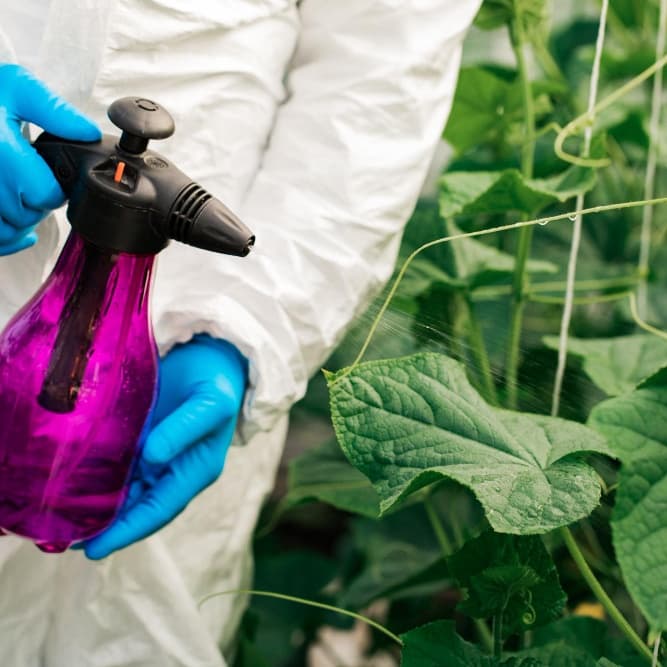
Agro Homeopathy applies homeopathic remedies to help plants resist pests and recover from diseases without relying on chemical pesticides. The idea is to strengthen plants’ natural defenses, improve resilience, and restore ecological balance. Remedies are chosen based on the type of pest or disease and the symptoms observed in plants. This eco-friendly approach reduces chemical residues, protects beneficial insects, and supports sustainable farming.
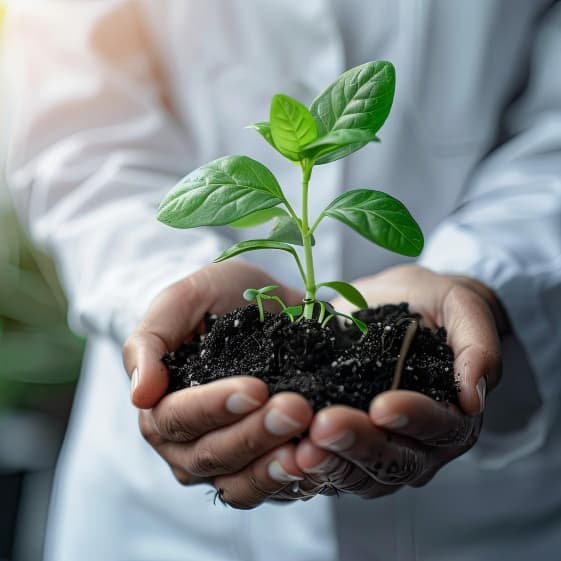
Agro Homeopathy for plant health and growth focuses on strengthening plants naturally, improving germination, enhancing root systems, and boosting resilience against environmental stress. Instead of relying on chemical fertilizers, homeopathic remedies aim to stimulate plants’ internal vitality, helping them grow stronger, healthier, and more resistant to pests and diseases. This eco-friendly approach supports sustainable agriculture by improving soil balance and reducing harmful chemical use.
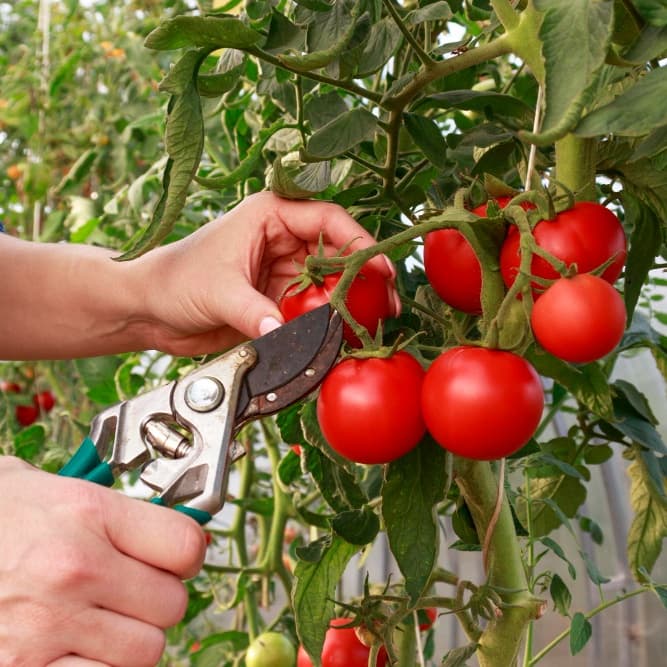
Post-harvest and recovery in Agro Homeopathy refers to the use of homeopathic remedies to support crops and soil after harvesting. This stage is crucial because plants and soil often undergo stress due to intensive cultivation, mechanical damage, or exposure to pests and diseases. Remedies are applied to reduce spoilage, improve storage life, restore soil fertility, and help plants regain vitality for the next growing cycle. The approach is eco-friendly, non-toxic, and aligns with sustainable farming practices.
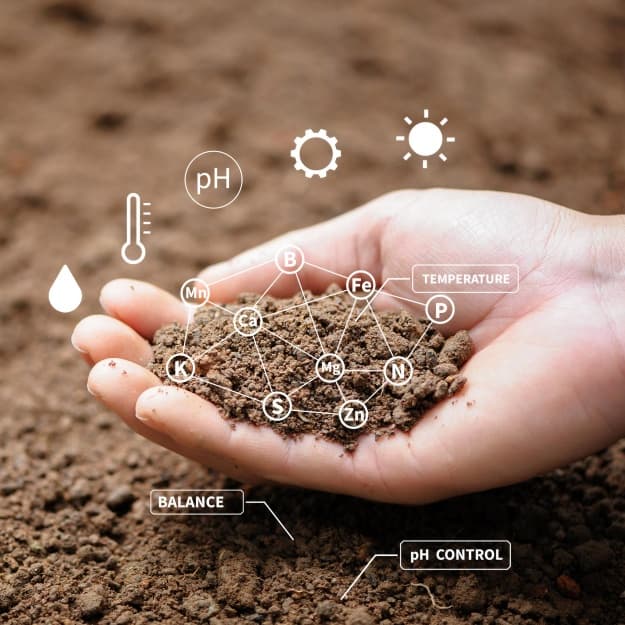
Agro Homeopathy for soil fertility and microbial balance focuses on restoring the natural vitality of soil and supporting beneficial microorganisms. Healthy soil is the foundation of sustainable farming, and homeopathic remedies are used to improve nutrient absorption, enhance soil structure, and reduce the negative effects of chemical fertilizers. By stimulating microbial activity, these remedies help plants access essential nutrients more efficiently, leading to stronger growth and higher yields.
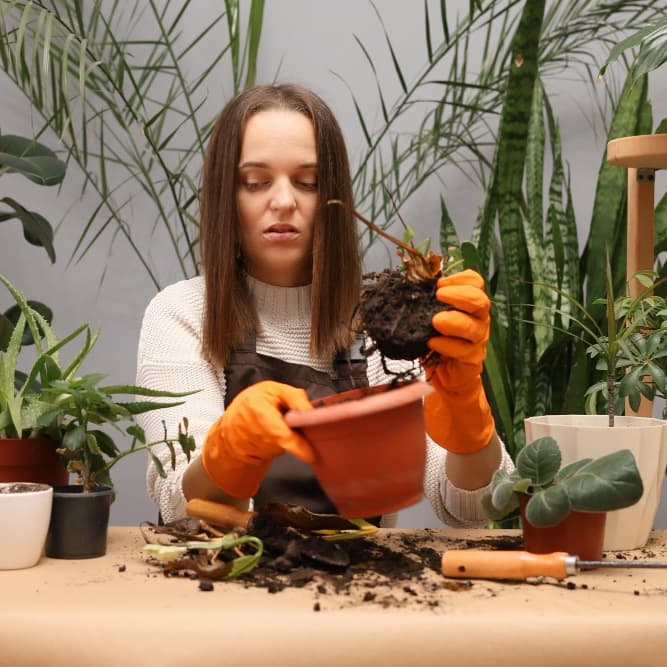
Agro Homeopathy for stress and environmental adaptation focuses on helping plants cope with challenges such as drought, excess rainfall, extreme temperatures, and transplant shock. Instead of forcing growth through chemicals, remedies aim to strengthen plants’ natural resilience, improve water regulation, and enhance their ability to adapt to changing conditions. This approach supports sustainable farming by reducing crop losses and maintaining productivity under environmental stress.
Learn more about this speciality and how our experts help you achieve better health outcomes.
- Remedies can be sprayed directly onto plants (foliar spray), added to watering cans for root irrigation, or applied to seeds before sowing. - A common method is adding 20 drops of the medicine to 1 litre of water, succussing (shaking) it 50 times, and then mixing this into 19 litres of water for a larger sprayer. - Non-chlorinated water (like rain or well water) is recommended, as chlorine can neutralize the remedies.
• Rapid Action: Some responses can be seen within a few days, especially if the remedy is correctly chosen based on the symptoms. • Prevention: It is most effective when used preventively or at the first sign of distress.
• Safety: The methods are non-toxic, and there are no known harmful residues on food or in the soil. • Ecological Impact: It promotes beneficial insects and does not destroy the natural,equilibrium of the soil.
• Trials: Field trials and studies indicate that agro-homoeopathy can reduce crop losses to diseases by up to 30% and increase plant growth by 30%. • Validation: It is considered a valid, albeit alternative, approach in sustainable agriculture, particularly used in India and supported by various homeopathic,organizations.
Important highlights and key medical insights about this condition.
Eco-friendly farming - Agro Homeopathy avoids chemical pesticides and fertilizers, reducing environmental pollution.
Plant immunity boost - Remedies are believed to strengthen plants’ natural resistance against pests and diseases.
Soil health support - Certain homeopathic preparations are used to improve soil fertility and microbial balance.
Cost-effective solution - Farmers can reduce expenses by replacing or minimizing chemical inputs with homeopathic remedies.
Non-toxic approach - Agro Homeopathy is safe for humans, animals, and beneficial insects, unlike many chemical treatments.
Growing global interest - Though still niche, Agro Homeopathy is gaining attention in sustainable agriculture practices worldwide.
Connect with experienced doctors who specialize in treating this condition and receive professional medical guidance.

Qualifications: BHMS.(FMHMC), MSc Psychology and Counselling, PG Diploma in Guidance and Counselling, Diploma Interactive Drawing Therapy (IDT), Cognitive Behavioural Therapy (CBT), De‑addiction Training (NIMHANS).

Qualifications: BHMS