
Introduction
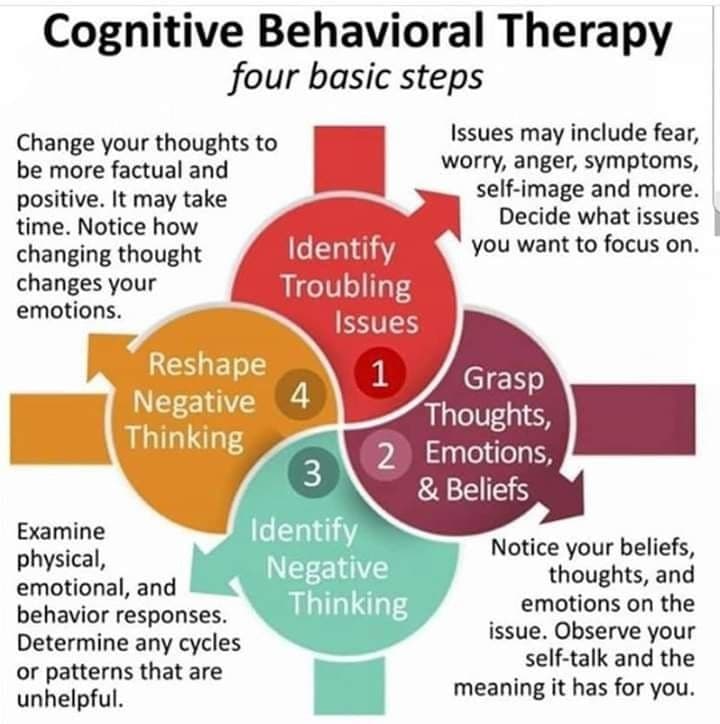
Cognitive Behavioral Therapy (CBT) is a powerful, goal-oriented form of therapy that focuses on the deep connection between our thoughts, feelings, and actions. Developed in the 1960s by Aaron T. Beck, often called the “Father of CBT”, this approach is based on the idea that by changing how we think, we can significantly improve how we feel and behave.
1. The Core Concept: The CBT Cycle
At the heart of CBT is the understanding that our mental health isn't just about what happens to us, but how we interpret those events. The “CBT Cycle” shows that four key areas are constantly influencing each other:
Thoughts: What we tell ourselves about a situation.
Emotions: How those thoughts make us feel (e.g, anxiety, sadness).
Physical Sensations: How our body reacts (e.g, racing heart, sweating).
Behaviors: What we do in response to these feelings (e.g, avoiding a task).
2. Beware of "Cognitive Distortions"
We often fall into “thinking traps” or cognitive distortions - unhelpful patterns of thought that cloud our reality. Common ones include:
All-or-Nothing Thinking: Seeing things in black and white (e.g, “If I’m not perfect, I’m a total failure”).
Catastrophizing: Expecting the absolute worst-case scenario to happen.
Filtering: Focusing only on the negative details while ignoring the positives.
Overgeneralization: Taking one single negative event and seeing it as a never-ending pattern.
3. Practical Tools for Your Mental Health Toolkit
CBT isn’t just about talking; it’s about doing. Here are several practical techniques used to break negative cycles:
Cognitive Restructuring: Learning to identify, challenge, and reframe negative thoughts into more balanced ones.
Behavioral Activation: Especially helpful for depression, this involves scheduling activities that bring a sense of accomplishment or pleasure.
Grounding Techniques (5-4-3-2-1): A quick way to manage anxiety by focusing on your five senses to stay present in the moment.
Controlled Breathing: Exercises like 4-7-8 breathing or Box Breathing help calm the nervous system and reduce physical stress.
4. What Can CBT Help With?
CBT is a scientifically proven treatment for a wide range of conditions, including:
Depression and Anxiety.
Obsessive-Compulsive Disorder (OCD).
Phobias, Insomnia, and Addictions.
Personality Disorders and Eating Disorders.
5. Shifting Your Mindset: From Problems to Solutions
A key takeaway from these principles is the shift from Problem-Focused Thinking (PFT) to Solution-Focused Thinking (SFT). While PFT dwells on the history and causes of a problem, SFT looks forward, focusing on goals, possibilities, and the practical steps needed to overcome challenges.
Conclusion
CBT is typically a short-term therapy, often spanning 16 to 26 sessions. It requires patience, consistency, and a willingness to change. By learning to observe our thoughts as “mental events” rather than absolute truths, we gain the power to lead a more balanced and happy life.