Individualized Homoeopathic Management of Legg-Calvé-Perthes Disease: A Case Report
Dr Akshaya Thankachan
Abstract
Background
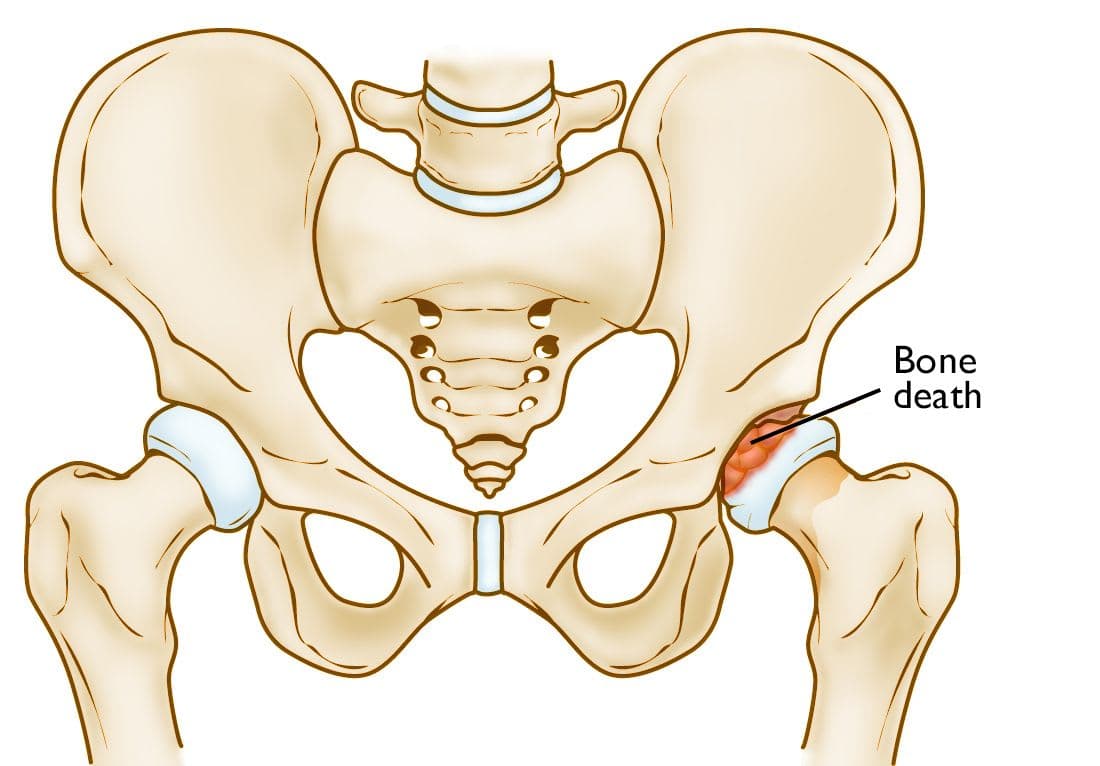
Legg-Calvé-Perthes disease is a rare, idiopathic condition involving osteonecrosis of the femoral head in children. It is characterized by avascular necrosis followed by fragmentation and subsequent remodelling of the femoral epiphysis.
The condition most commonly affects children between approximately 4 and 10 years of age. Common clinical features include limping, restricted movement of the hip and varying degrees of pain. Depending on the severity and stage of the disease, structural changes to the hip may result in long-term functional impairment.
Conventional management of Perthes disease may include observation, activity modification, physiotherapy and other conservative measures, while surgical intervention may be considered in selected cases.
This case report describes the clinical course of a child with Legg-Calvé-Perthes disease who received individualized homoeopathic management.
Materials and Methods
A 6-year-old female child presented to the paediatric outpatient department on 10 May 2025 with a history of limping while walking. The limping had first been noticed at approximately one year of age.
Radiographic examination showed destruction of the right femoral epiphysis along with deformity of the right acetabulum, findings suggestive of Legg-Calvé-Perthes disease.
Detailed homoeopathic case taking was conducted. The child had normal appetite, thirst, sleep and perspiration, with a marked craving for meat. The mental symptoms included obstinacy and delayed speech development. She also had recurrent episodes of coryza.
A paternal family history of tuberculosis was noted.
The case was analysed and repertorized using the Synthesis Repertory. Based on the totality of symptoms and the individualized assessment, Calcarea phosphorica 200C was prescribed initially. Subsequent potency modifications were made according to the clinical response observed during follow-up.
Results
Following ten months of individualized homoeopathic treatment, notable clinical improvement was observed.
The child demonstrated a marked reduction in limping and was able to walk without support. Functional assessment using the Harris Hip Score demonstrated measurable improvement.
Follow-up radiographic evaluation also indicated improvement in the structural condition of the hip joint.
In addition to the musculoskeletal findings, changes were observed in associated complaints. Speech development improved, with the child beginning to use new words, while recurrent episodes of coryza were markedly reduced.
Conclusion
This case describes the clinical course of a child with Legg-Calvé-Perthes disease who received individualized homoeopathic management and subsequently demonstrated clinical and functional improvement over a ten-month follow-up period.
The Modified Naranjo Criteria for Homoeopathy (MONARCH) produced a score of +9 in this case, indicating a strong association between the intervention and the observed improvement according to that assessment tool.
However, a single case report cannot establish that homoeopathy caused the improvement, nor can its findings be generalized to other children with Perthes disease. Further well-designed clinical research is required to evaluate the potential role of individualized homoeopathy in this condition.
Understanding Legg-Calvé-Perthes Disease
Legg-Calvé-Perthes disease, often shortened to Perthes disease, is a condition affecting the developing hip in children.
It involves a temporary disruption of the blood supply to the femoral head. Reduced blood supply can result in avascular necrosis, causing part of the femoral head to weaken and undergo structural changes.
Perthes disease progresses through several stages, including:
- Necrosis
- Fragmentation
- Reossification
- Remodelling
Because the condition affects a growing child's hip, appropriate medical evaluation and follow-up are important. The eventual shape of the femoral head and development of the hip can influence long-term function.
Symptoms of Perthes Disease in Children
The symptoms of Legg-Calvé-Perthes disease in children may develop gradually. Common symptoms can include:
- Limping while walking
- Hip or groin pain
- Pain that may be felt in the thigh or knee
- Restricted hip movement
- Difficulty with certain physical activities
- Changes in walking pattern
Some children may initially have relatively mild symptoms. A persistent or unexplained limp should therefore be evaluated by an appropriate healthcare professional.
The Case of a 6-Year-Old Child
In this case, a 6-year-old female child presented with limping while walking. According to the case history, the limping had first been noticed when the child was approximately one year old.
Radiographic examination showed:
- Destruction of the right femoral epiphysis
- Deformity of the right acetabulum
The findings were suggestive of Legg-Calvé-Perthes disease.
The child's general characteristics and associated symptoms were also documented as part of the individualized homoeopathic case assessment.
Individualized Homoeopathic Management
A central aspect of the reported approach was individualization. The assessment considered the child's overall symptoms and characteristics rather than focusing only on the hip complaint.
The documented features included normal appetite, thirst, sleep and perspiration, along with a marked craving for meat. The case also included obstinate behaviour, delayed speech development and recurrent episodes of coryza. A paternal family history of tuberculosis was also recorded.
Following detailed case taking, the case was analysed and repertorized using the Synthesis Repertory.
Based on the totality of symptoms and the individualized assessment, Calcarea phosphorica 200C was prescribed initially. Subsequent potency modifications were made according to the clinical response observed during follow-up.
The treatment course was followed for approximately ten months.
Clinical and Radiographic Improvement
During the follow-up period, several changes were documented.
The most notable clinical improvement was a marked reduction in limping, with the child progressing to walking without support.
Functional assessment using the Harris Hip Score demonstrated measurable improvement during the follow-up period.
Follow-up radiographic evaluation also indicated improvement in the structural condition of the affected hip joint.
Changes were additionally reported in associated complaints. The child's speech development showed improvement, including the emergence of new words, while recurrent episodes of coryza were markedly reduced.
MONARCH Assessment
The Modified Naranjo Criteria for Homoeopathy (MONARCH) was used as part of the assessment of the reported therapeutic response.
The case received a score of:
+9
According to the MONARCH assessment used in the report, this score indicates a definite association between the intervention and the observed clinical improvement.
However, an association identified through a causality assessment tool should not be interpreted as proof that a treatment caused an outcome.
A single case report cannot control for factors such as the natural history of Perthes disease, concurrent care, developmental changes or other influences that may contribute to improvement.
What Does This Case Report Suggest?
This case documents clinical, functional and reported radiographic improvement during a ten-month period of individualized homoeopathic management.
The reported outcomes included reduced limping, walking without support, improvement in the Harris Hip Score, improvement in follow-up radiographic findings, progress in speech development and a reduction in recurrent coryza.
The case is therefore a clinical observation that may be useful in generating hypotheses and encouraging further research into individualized approaches.
However, it represents a single patient. The findings cannot establish treatment efficacy or demonstrate that the reported improvements would occur in other children with Legg-Calvé-Perthes disease.
Can Homoeopathy Be Considered for Perthes Disease?
This case report describes the use of individualized homoeopathic management in one child with Legg-Calvé-Perthes disease.
It should not be interpreted as evidence that homoeopathy can replace established pediatric orthopaedic evaluation or conventional management.
Children with suspected or confirmed Perthes disease require appropriate medical assessment and monitoring because the condition can affect the developing hip.
Any complementary approach should be discussed with the child's treating healthcare professionals, particularly when decisions regarding imaging, activity restrictions, physiotherapy or surgery are involved.
Why Follow-Up Matters
Perthes disease develops over time as the femoral head goes through different stages of necrosis, fragmentation, reossification and remodelling.
Regular professional follow-up can help monitor:
- Hip movement
- Pain and discomfort
- Walking pattern
- Functional ability
- Development of the hip
- Radiographic changes
- Overall progress
For this reason, parents should not rely solely on whether a child's pain or limp appears to improve. Ongoing professional evaluation remains important.
When Should Parents Seek Professional Evaluation?
A persistent limp in a child should not be ignored.
There can be many causes of limping, ranging from minor injuries to conditions affecting the bones, joints, muscles or development.
Parents should seek appropriate pediatric or orthopedic evaluation if a child has:
- A persistent or unexplained limp
- Hip, thigh or knee pain
- Restricted hip movement
- Difficulty walking
- Changes in normal walking patterns
Early assessment can help identify the underlying cause and determine whether further investigation is needed.
For professional pediatric guidance, you can explore Healora's Pediatric Services.
About the Case
| Detail | Information |
|---|---|
| Condition | Legg-Calvé-Perthes disease |
| Patient | 6-year-old female child |
| Date of presentation | 10 May 2025 |
| Reported follow-up | 10 months |
| Initial homoeopathic medicine | Calcarea phosphorica 200C |
| Repertory | Synthesis Repertory |
| Functional assessment | Harris Hip Score |
| Causality assessment | Modified Naranjo Criteria for Homoeopathy (MONARCH) |
| MONARCH score | +9 |
| Author | Dr Akshaya Thankachan |
Final Perspective
Legg-Calvé-Perthes disease is a complex condition affecting the developing hip in children. This case report describes a 6-year-old child who showed clinical, functional and reported radiographic improvement during a ten-month period of individualized homoeopathic management.
The case is noteworthy as a clinical observation, but it should be interpreted cautiously. A single case cannot establish treatment efficacy or causation.
Further research involving larger patient groups and appropriately designed clinical studies would be needed to determine whether individualized homoeopathic treatment has a reproducible role in the management of Legg-Calvé-Perthes disease.
For parents concerned about a child's limp, hip pain or restricted movement, appropriate professional evaluation should remain the priority.