PCOS and Weight Gain: When to Seek Professional Help
Weight gain is one of the concerns many women experience after being diagnosed with polycystic ovary syndrome, commonly known as PCOS. For some, changes in weight may happen alongside irregular periods, acne, increased facial or body hair, or difficulty managing blood sugar.
But PCOS and weight gain are not the same for everyone. Some women with PCOS do not gain weight, while others may find it difficult to lose weight even after making changes to their diet and activity levels.
Understanding what may be contributing to the change is often more useful than focusing only on the number on the weighing scale.
What Is PCOS?
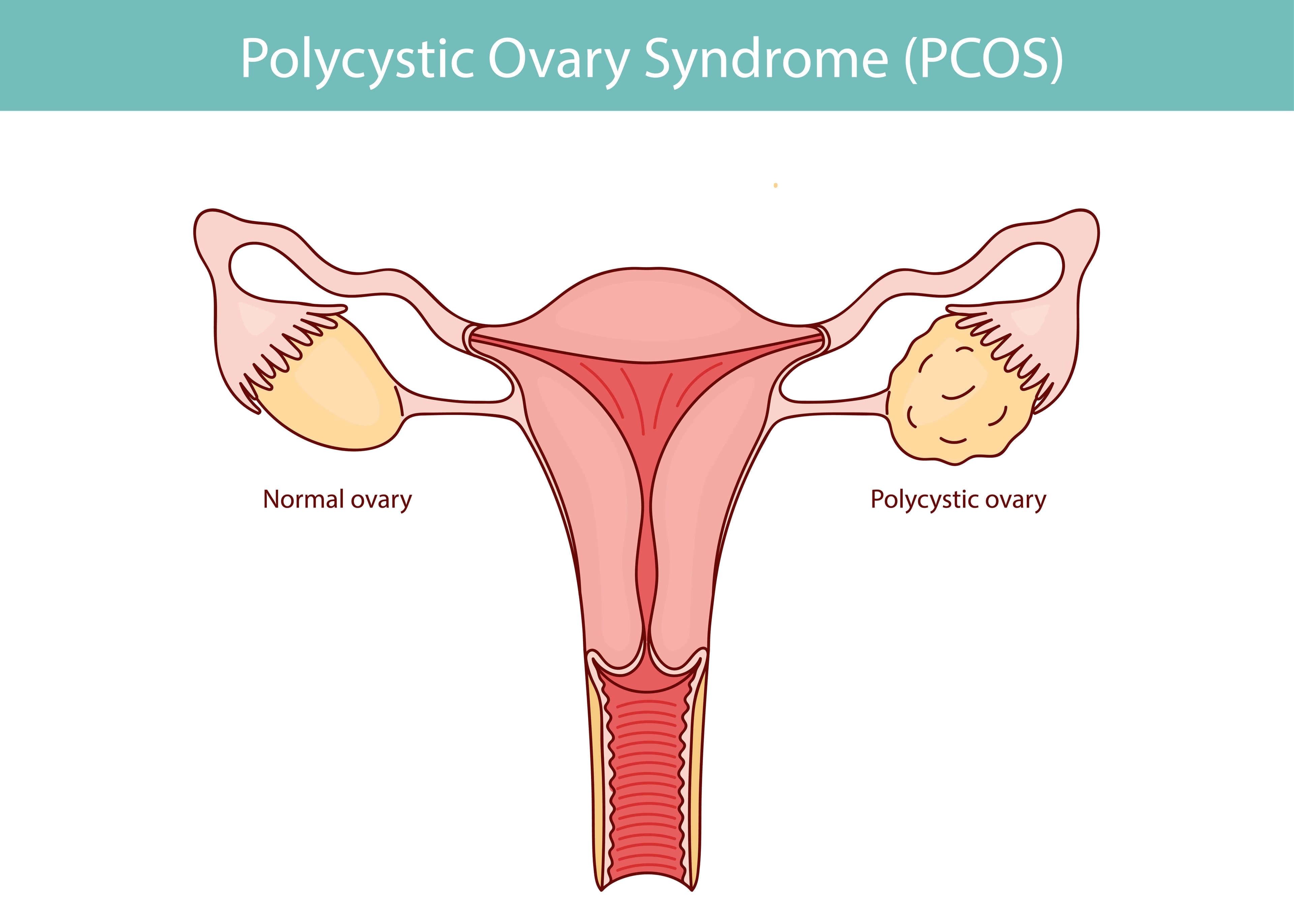
Polycystic ovary syndrome is a common hormonal and metabolic condition that can affect menstrual cycles, ovulation, androgen levels, and the way the body responds to insulin.
PCOS can present differently from one person to another. Some women mainly experience irregular periods, while others may notice acne, unwanted hair growth, changes in weight, or fertility concerns.
Because symptoms can overlap with other health conditions, a proper medical assessment is important before assuming that every symptom is caused by PCOS.
Why Can PCOS Be Linked With Weight Gain?
There is no single reason why someone with PCOS gains weight.
One factor can be insulin resistance. When the body's cells do not respond effectively to insulin, the pancreas may produce more insulin to help regulate blood glucose. Higher insulin levels can be associated with changes in appetite, metabolism and fat storage.
Hormonal changes, reduced physical activity, sleep problems, stress, medications and other health conditions can also influence weight.
This is why simply being told to "eat less and exercise more" may not address the whole picture.
A personalised assessment can help identify the factors that may be affecting your health and weight.
Common PCOS Symptoms to Watch For
PCOS symptoms can vary considerably. Some common signs include:
-
Irregular or unpredictable menstrual periods
-
Missed periods
-
Acne or oily skin
-
Increased facial or body hair
-
Thinning hair on the scalp
-
Difficulty with ovulation or fertility
-
Weight gain or difficulty losing weight
-
Darkened skin in certain areas
-
Changes associated with insulin resistance
Having one or two of these symptoms does not automatically mean you have PCOS. A healthcare professional can assess your symptoms and medical history and determine whether further evaluation is appropriate.
If you're experiencing menstrual changes alongside other symptoms, you can also learn more about Healora's Female Health and reproductive health services.
Does Everyone With PCOS Need to Lose Weight?
No.
PCOS affects people across different body sizes, and weight should not be used as the only measure of health.
For someone living with PCOS, healthcare may focus on several areas including menstrual health, metabolic health, nutrition, physical activity, sleep, emotional wellbeing and fertility goals.
If weight management is part of your personal health plan, the goal should be sustainable changes rather than extreme diets or rapid weight loss.
What Can Help With PCOS Weight Management?
There is no universal PCOS diet that works for everyone.
A sustainable approach usually focuses on overall eating patterns rather than eliminating large groups of foods.
Depending on your individual needs, this may include:
Choose balanced meals
Meals that combine protein, fibre-rich carbohydrates, vegetables, fruits and healthy fats can support overall nutrition and help with satiety.
Reduce highly processed foods
Reducing frequent intake of foods and drinks that are high in added sugars and refined carbohydrates may be helpful for some people, particularly when managing blood glucose.
Stay physically active
Regular physical activity can support cardiovascular health, metabolic health, strength and overall wellbeing. The most suitable activity depends on your health, preferences and fitness level.
Prioritise sleep
Poor sleep can affect appetite, energy, mood and metabolic health. Building a consistent sleep routine can be an important part of overall PCOS management.
Avoid extreme diets
Very restrictive diets may be difficult to maintain and can make healthy eating unnecessarily stressful. Sustainable changes are generally more practical for long-term health.
Healora's Diet & Nutrition service includes personalised nutrition guidance and support around healthy weight management. Its nutrition service also covers areas such as lifestyle-related health concerns and weight management.
When Should You Seek Professional Help for PCOS?
Consider speaking with a healthcare professional if you have persistent or worsening symptoms such as:
-
Periods that are consistently irregular or absent
-
Significant or unexplained weight changes
-
Persistent acne or increased hair growth
-
Difficulty becoming pregnant
-
Symptoms that may suggest blood sugar or metabolic problems
-
Concerns about your menstrual or reproductive health
-
Difficulty managing your weight despite consistent lifestyle changes
You should also seek appropriate medical care for symptoms that are severe, sudden or concerning rather than assuming they are related to PCOS.
Can Online Consultation Help With PCOS?
Online healthcare can be a convenient starting point for discussing symptoms, lifestyle concerns and ongoing health questions with a qualified healthcare professional.
During a consultation, you can discuss your symptoms, menstrual history, lifestyle, previous diagnoses and health goals. Depending on the situation, the healthcare professional may recommend an in-person assessment, laboratory testing or other evaluation when necessary.
For ongoing nutrition and lifestyle support, an online Diet & Nutrition consultation can also be a convenient option.
Healora Wellness Centre provides online consultations with healthcare professionals across multiple specialties, allowing patients to choose an appropriate professional and book an appointment through the platform.
PCOS Is More Than a Weight Problem
It can be frustrating to see your weight change and feel that your efforts are not producing the results you expect. But PCOS is a complex condition, and weight is only one part of the picture.
Instead of focusing solely on losing weight, it can be more helpful to look at your overall health. Menstrual regularity, metabolic health, nutrition, physical activity, sleep, emotional wellbeing and personal health goals all matter.
Most importantly, your symptoms deserve to be taken seriously regardless of your weight.
Get Personalised Guidance for PCOS
If you're experiencing symptoms associated with PCOS, unexplained weight changes, menstrual irregularities or concerns about your nutrition and overall health, professional guidance can help you understand your options.
Healora Wellness Centre offers access to healthcare professionals through convenient online consultations. You can explore the available healthcare specialties or book an appointment to discuss your concerns with an appropriate healthcare professional.
Your health is more than a number on the scale. Getting the right guidance can help you make informed, sustainable decisions about your wellbeing.
Medical Disclaimer
This article is intended for general educational purposes and does not replace diagnosis or medical advice from a qualified healthcare professional. PCOS symptoms and treatment needs vary between individuals. If you have persistent, severe or concerning symptoms, seek appropriate professional medical care.